The History of Halloween – Made Simple for Kids
Halloween is celebrated every year on October 31st and has one of the most fascinating origin stories of any holiday. It began over 2,000 years ago in ancient Celtic Europe as a festival called Samhain, which marked the end of summer and the beginning of winter. The Celts believed that on this one night of the year, the boundary between the living and the dead became thin, allowing spirits to roam the Earth freely.
Over centuries, the holiday blended with Christian traditions. November 1st became All Saints Day – also called All Hallows Day – and the evening before became All Hallows Eve, which eventually shortened to Halloween. Irish and Scottish immigrants brought the holiday to North America in the 1800s, where it grew into the beloved celebration of costumes, candy, and jack-o-lanterns we enjoy today.
How Halloween Traditions Were Born
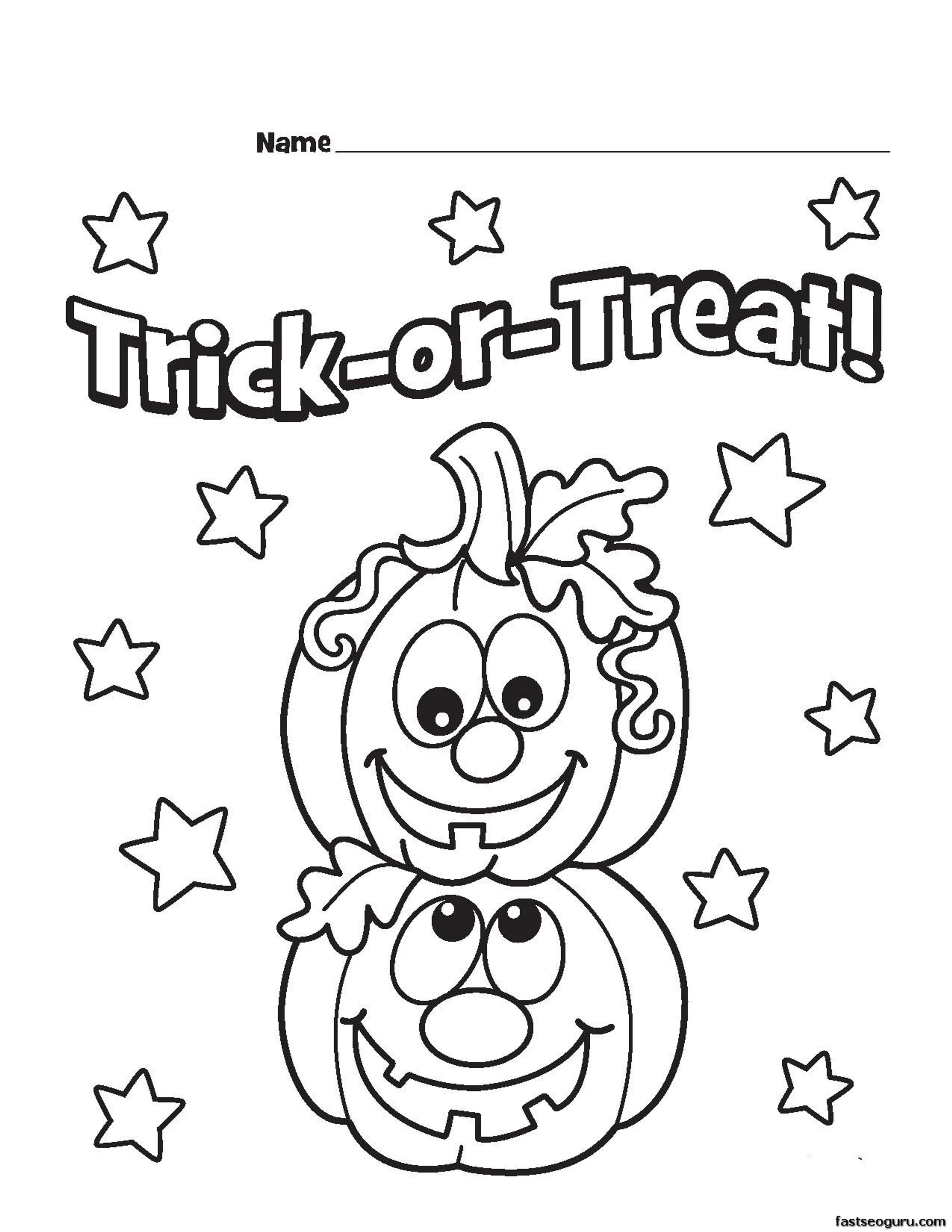
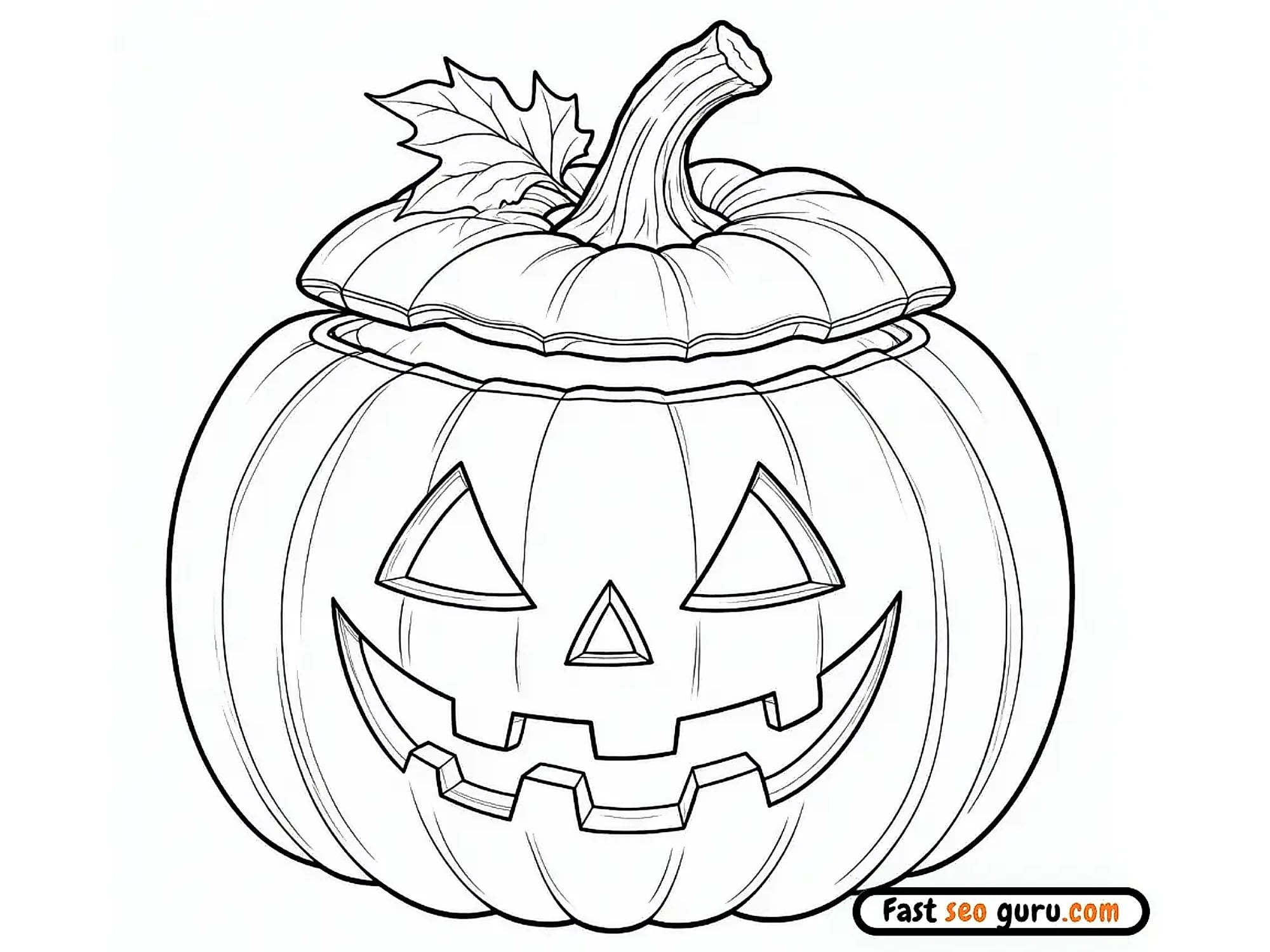
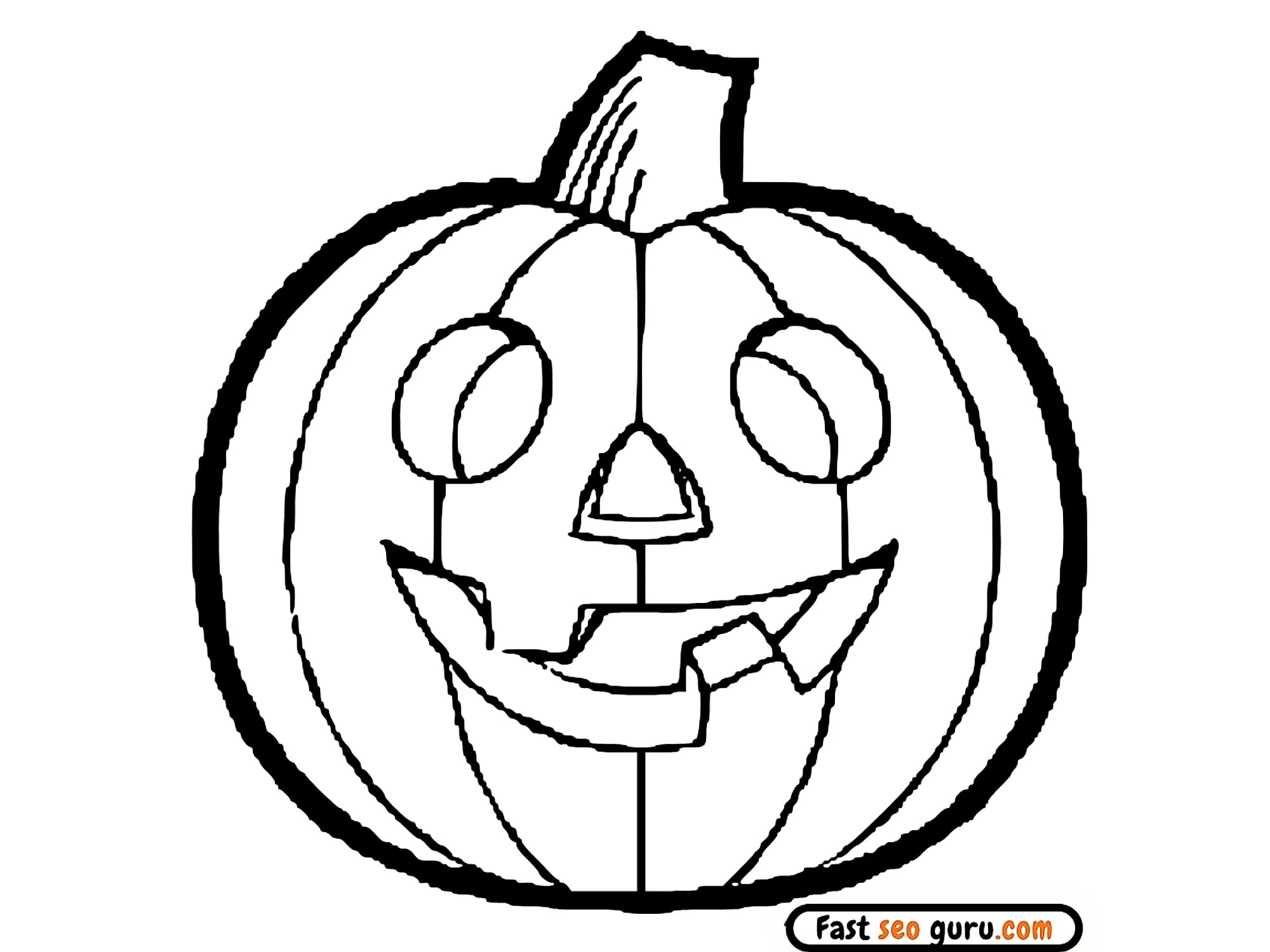
Every Halloween tradition has a fascinating story behind it. The jack-o-lantern tradition began in Ireland, where people carved scary faces into turnips to ward off evil spirits on Samhain night. When Irish immigrants arrived in America, they discovered that pumpkins were far easier to carve than turnips – and a beloved Halloween tradition was born.
Why Halloween Coloring Pages Are Perfect for Kids
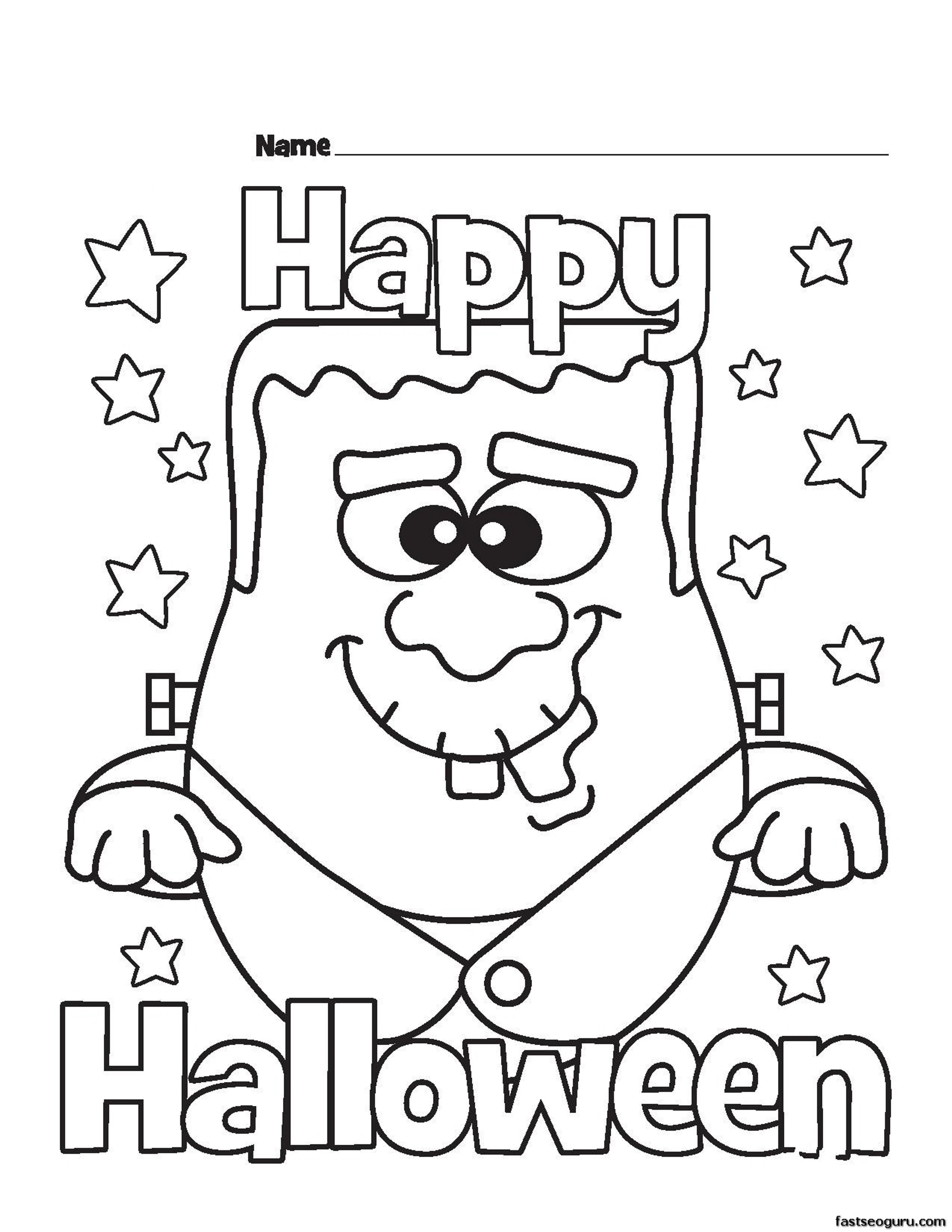
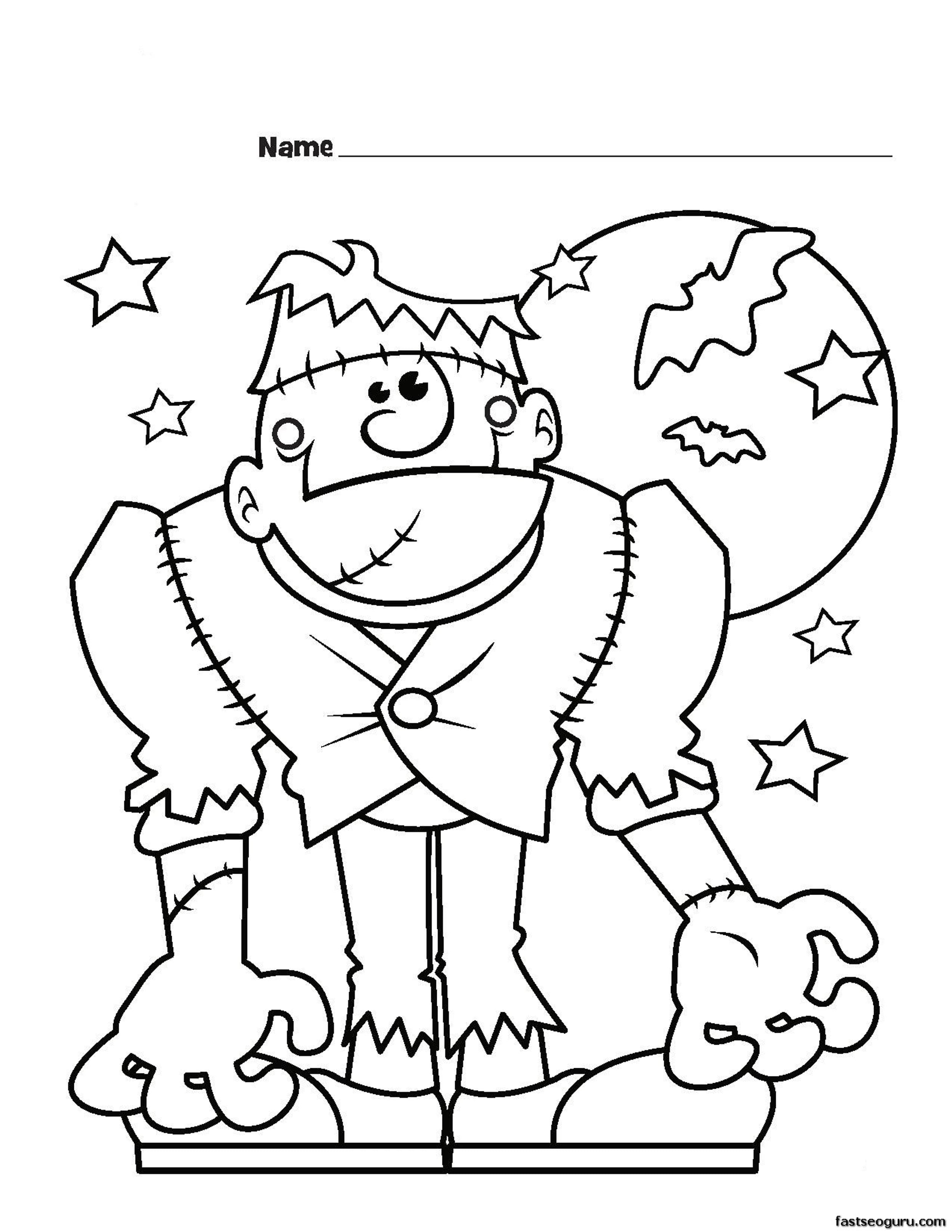
Coloring Halloween themes gives children a safe, creative way to engage with the spooky season without feeling frightened. By turning scary symbols like skeletons, bats, and haunted houses into fun coloring activities, children build positive associations with the holiday while developing essential fine motor skills, color recognition, and creative confidence.
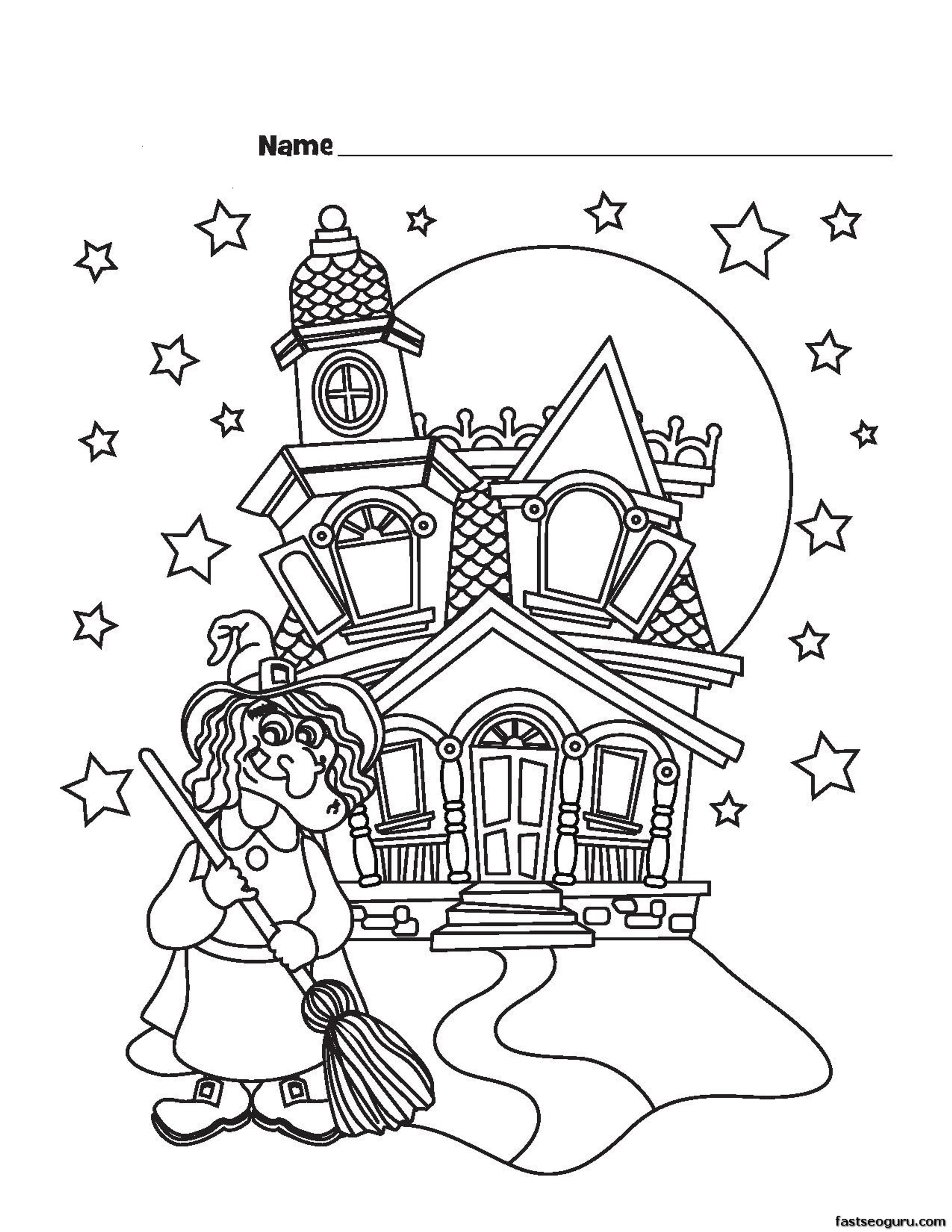
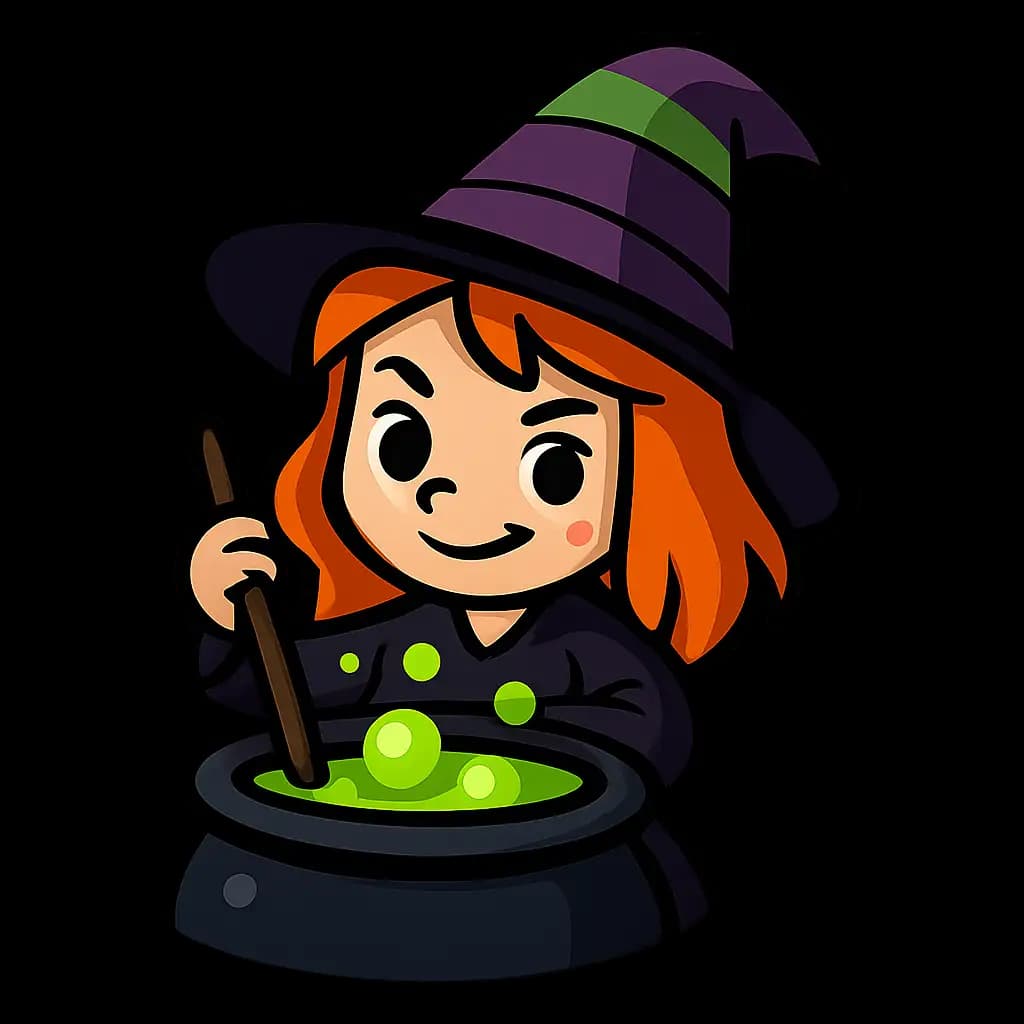
Halloween coloring pages are also wonderful conversation starters. While children color a friendly witch or a smiling pumpkin, parents and teachers can share the real history and traditions behind each symbol – turning a simple craft activity into a rich, memorable learning experience.
How to Use These Pages at Home and in the Classroom
Our Halloween coloring pages are completely free to download and print, making them ideal for classroom Halloween parties, home celebrations, and school activity stations. Teachers can use them during October themed weeks to introduce history, traditions, and creative writing prompts. Parents can set up a Halloween coloring station at home to keep little ones entertained during trick-or-treat preparations.
Every page in our Halloween collection is designed with bold, clear outlines that work beautifully with crayons, colored pencils, markers, and watercolor paints.
Printing Tips for the Best Halloween Coloring Results For the crispest lines and most vibrant colors, always print on white cardstock paper. Set your printer to "Fit to Page" and "High Quality" for the best output. Our pages fit both standard US Letter (8.5 x 11 in) and A4 paper perfectly, so they print well anywhere in the world.
Explore Our Halloween Coloring Page Categories
We have organized our full Halloween collection into 12 themed subcategories so you can find exactly what you are looking for in seconds:
🎃 Pumpkin Coloring Pages
👻 Ghost Coloring Pages
🧙 Witch Coloring Pages
🏚️ Coloring Pages
💀 Coloring Pages
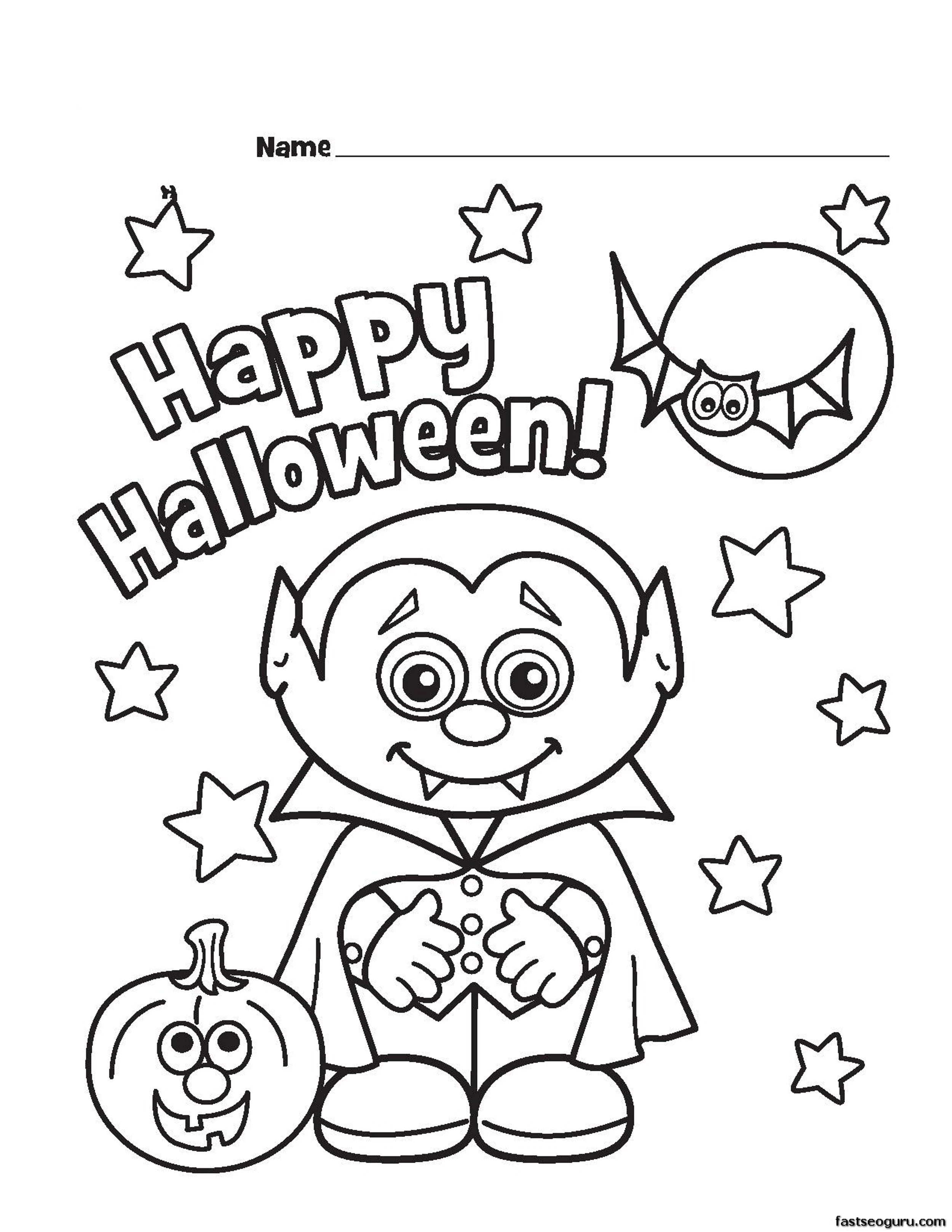
🧛 Vampire Coloring Pages
⚡ Coloring Pages
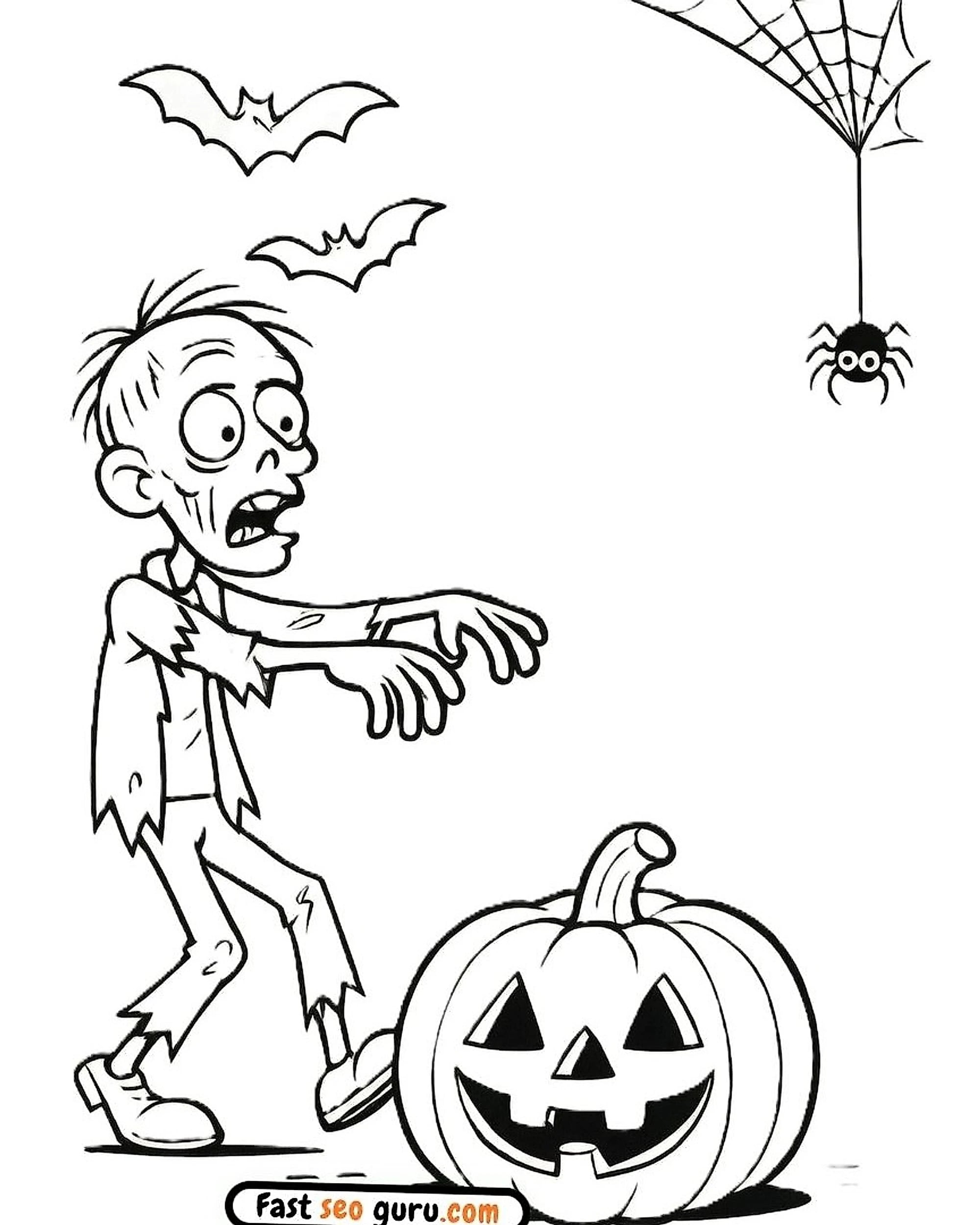
🧟 Zombie Coloring Pages
🦇 Bat Coloring Pages
🕷️ Spider Coloring Pages
🐈⬛ Coloring Pages
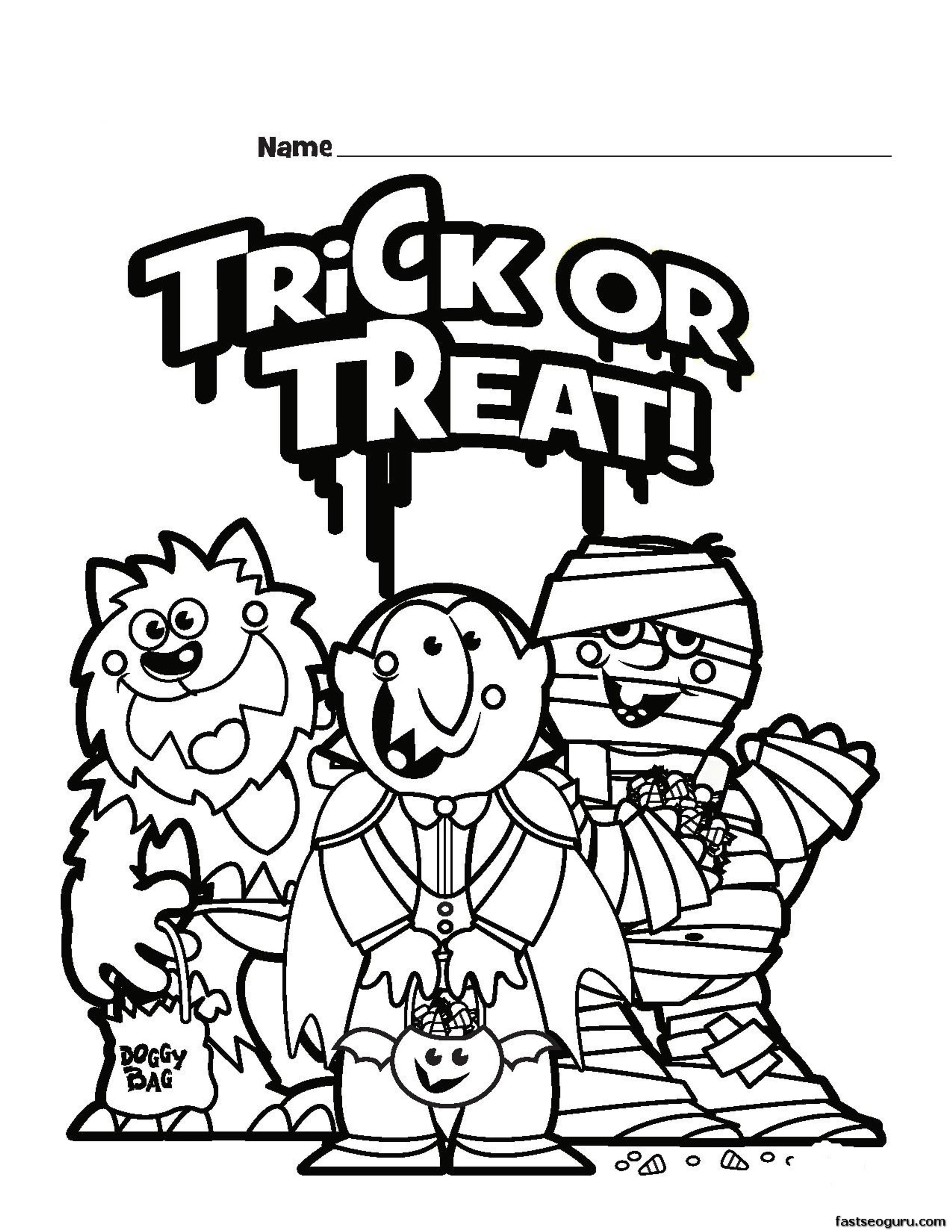
🍬 Trick or Treat Coloring Pages
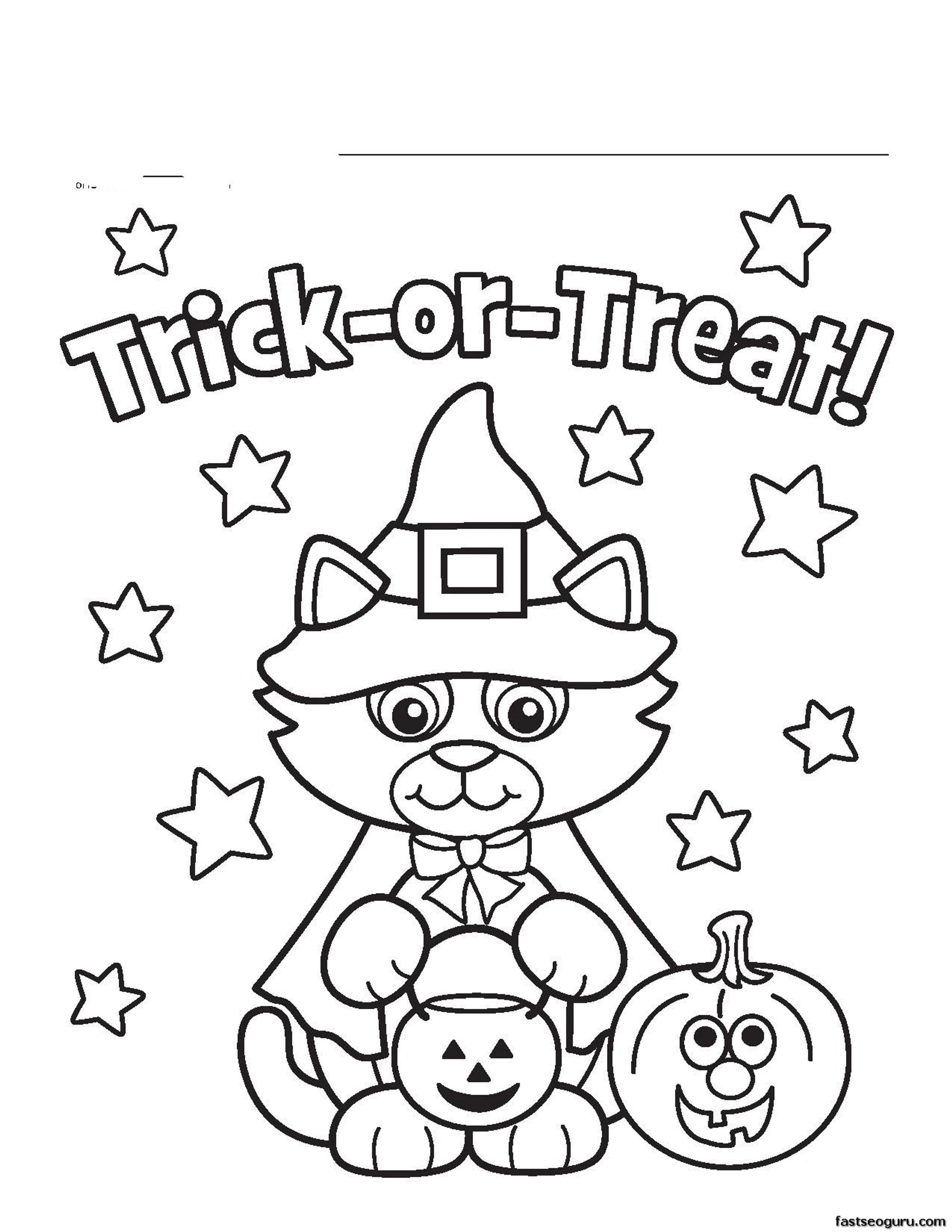
Trick-or-treating grew out of an old practice called souling, where poor people would go door to door offering prayers for the dead in exchange for food. The phrase "trick or treat" first appeared in print in Canada in 1927 and became widespread across North America through the 1930s and 1940s. Wearing costumes also traces back to Samhain, when people dressed up to blend in with the spirits and avoid being recognized by them.
The History of Halloween
Halloween as we celebrate it today is the result of centuries of overlapping traditions from multiple cultures. It did not emerge from a single source and has changed considerably over time.
Samhain – The Ancient Celtic Festival
Most historians trace Halloween's earliest roots to Samhain (pronounced SAH-win), an ancient Celtic festival observed around 2,000 years ago in what is now Ireland, the United Kingdom, and northern France. The name comes from Old Irish and means roughly "summer's end."
Samhain marked the transition from the harvest season into the darker half of the year. The ancient Celts believed that on this night the boundary between the living world and the otherworld became unusually thin, allowing spirits to pass through. Families honored their ancestors, lit large communal bonfires, and wore costumes or masks – practices believed to protect them from harmful spirits roaming freely that night.
It is worth noting that historians debate the degree to which modern Halloween is a direct continuation of Samhain. Many of the connections are indirect, filtered through centuries of Christian influence and significant cultural change.
From All Hallows Eve to Halloween
As Christianity spread through Celtic lands, the church established November 1st as All Saints Day – also called All Hallows Day – a day to honor all Christian saints. In the 8th century, Pope Gregory III placed All Saints Day on November 1st, directly overlapping with the period of Samhain. The evening before became known as All Hallows Eve.
The Middle English name for All Saints Day was Alholowmesse, which gave rise to the term All-Hallows Eve and eventually the word Halloween used today.
Halloween Comes to North America
Halloween as a popular cultural holiday largely developed in North America during the 19th century. Large waves of Irish and Scottish immigrants, particularly during and after the Great Famine of the 1840s, brought their autumn folk traditions with them. These customs blended with existing North American harvest traditions, and Halloween gradually evolved into the community-centered celebration it is today – focused on costumes, decorations, and children going door to door for sweets.
How Halloween Traditions Began
Jack-o'-Lanterns
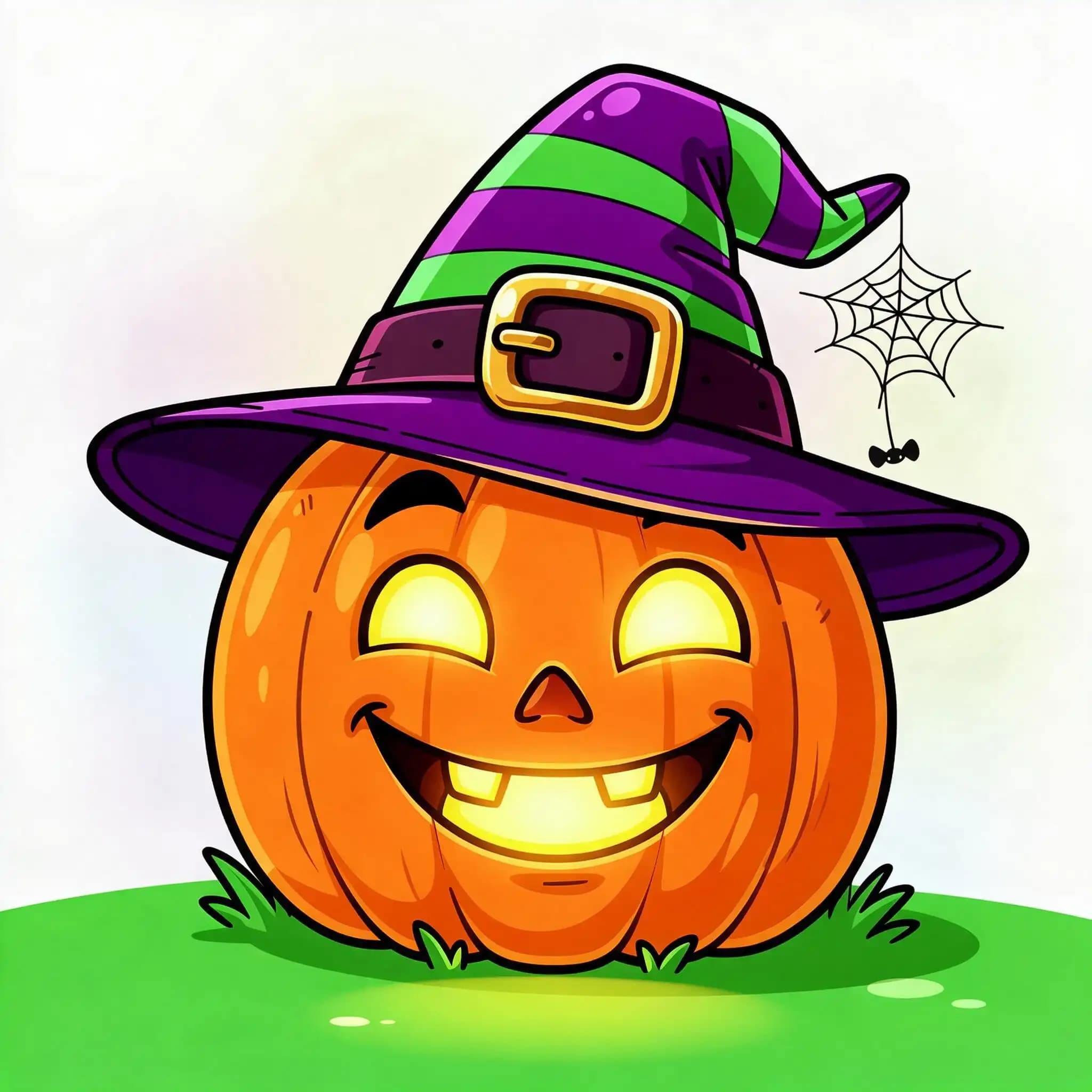
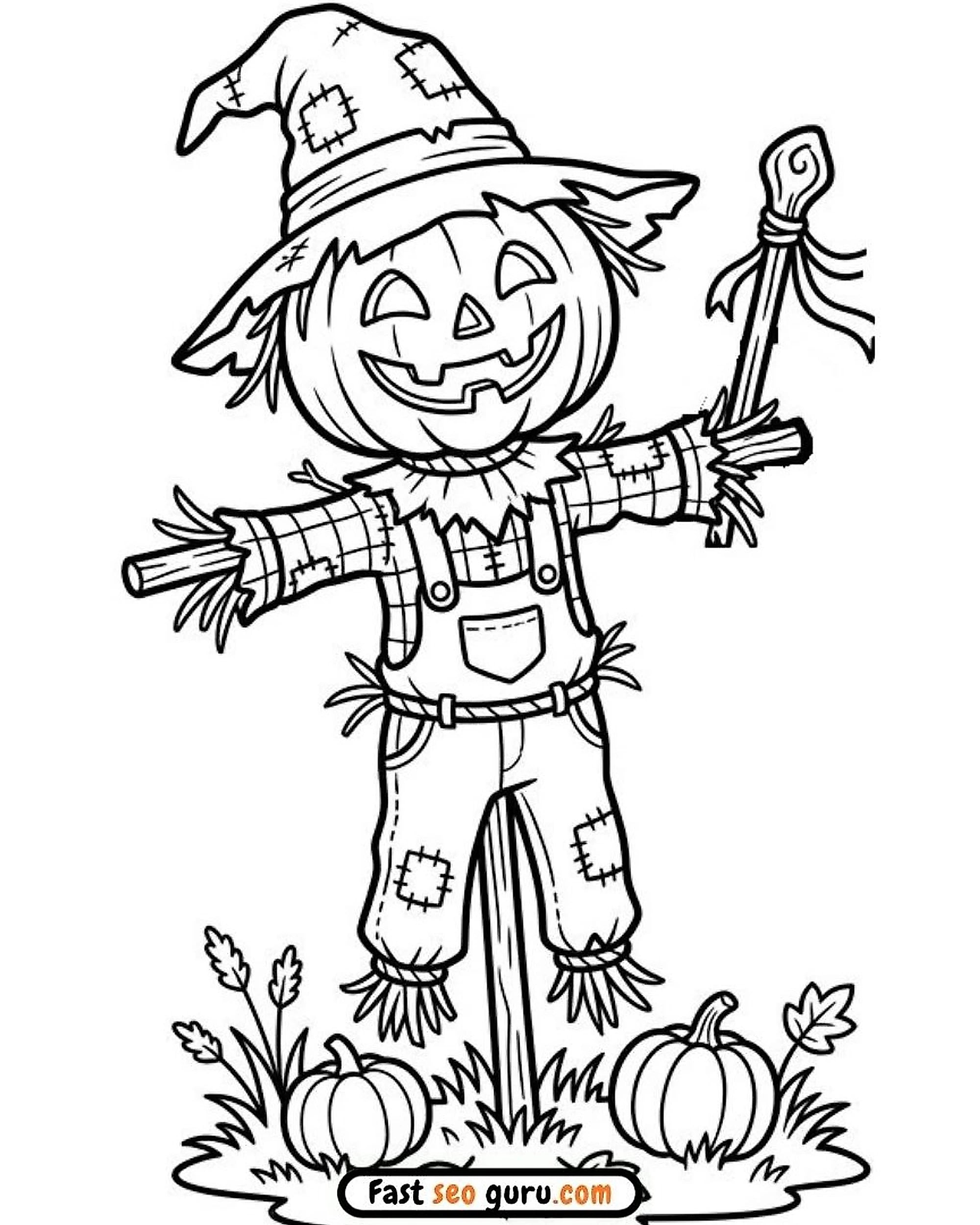
The tradition of carving faces into to create lanterns began in Ireland and Scotland, where turnips were the original material. Carved turnip lanterns were associated with folk legends about wandering spirits and were placed in windows or carried to ward off evil. When Irish immigrants arrived in North America, they found pumpkins more widely available and easier to carve than turnips. The carved pumpkin became a distinctly North American Halloween tradition and eventually spread worldwide.
The name jack-o'-lantern is linked to an Irish folk legend about a trickster called Stingy Jack, said to have been condemned to wander the earth carrying only a glowing ember inside a carved turnip to light his way.
Trick-or-Treating
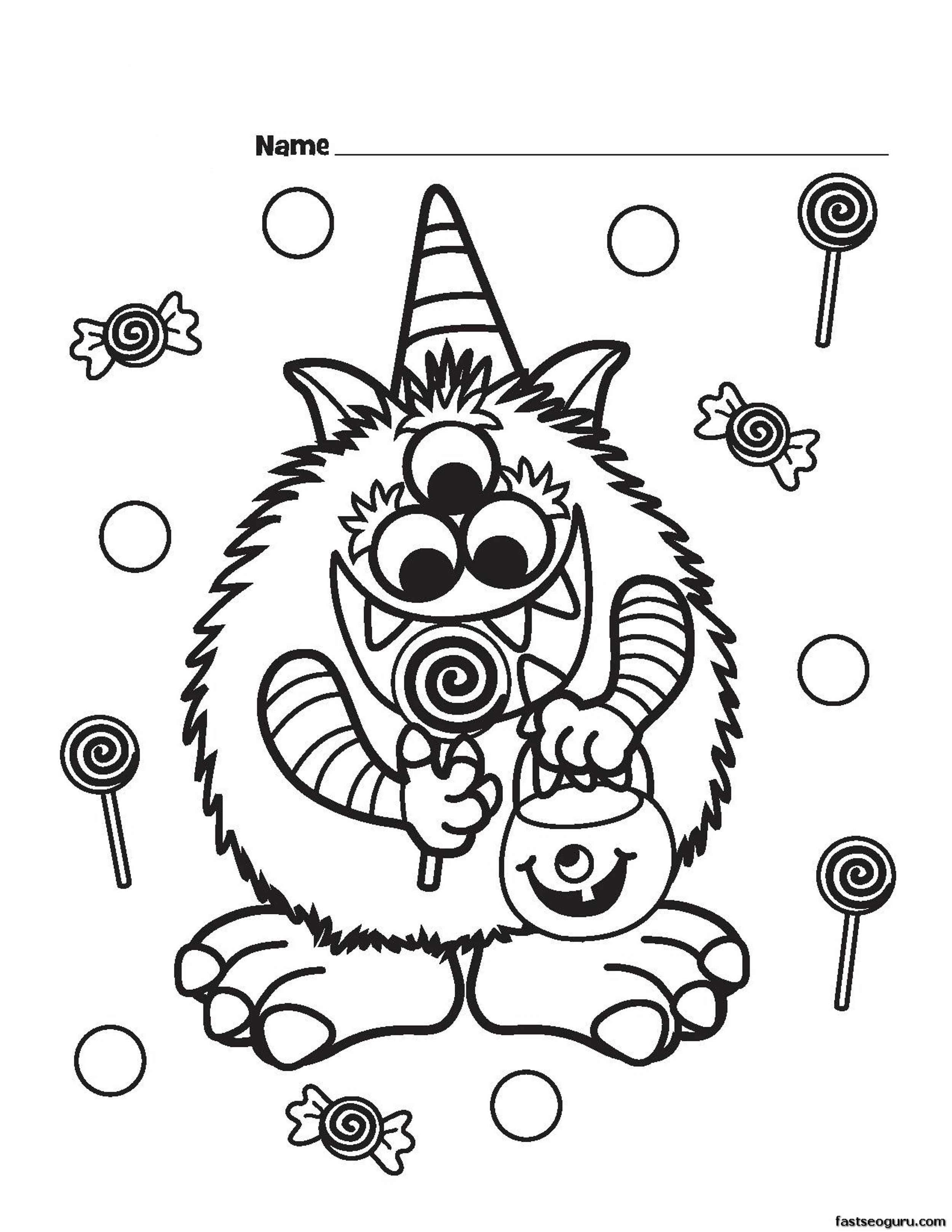
Trick-or-treating has roots in several older practices. One was souling, a medieval custom in which poor people went door to door on All Souls Day offering prayers for the dead in exchange for food called soul cakes. Another was guising, common in Scotland and Ireland by the late 19th century, where people dressed in costume and performed songs, poems, or jokes in exchange for food or coins.
The phrase "trick or treat" first appeared in print in Canada in 1927. The practice spread widely across North America through the 1930s and 1940s and is now a central part of Halloween celebrations in many countries.
Costumes
Wearing costumes on Halloween night also has roots in Samhain traditions, where disguises were thought to help people avoid being recognized by spirits. The practice of guising in Scotland and Ireland carried this idea forward into the modern era. By the early 20th century, commercially produced Halloween costumes were available in North America, and dressing up became one of the defining features of the holiday for children.
Why Kids Enjoy Halloween Coloring Activities
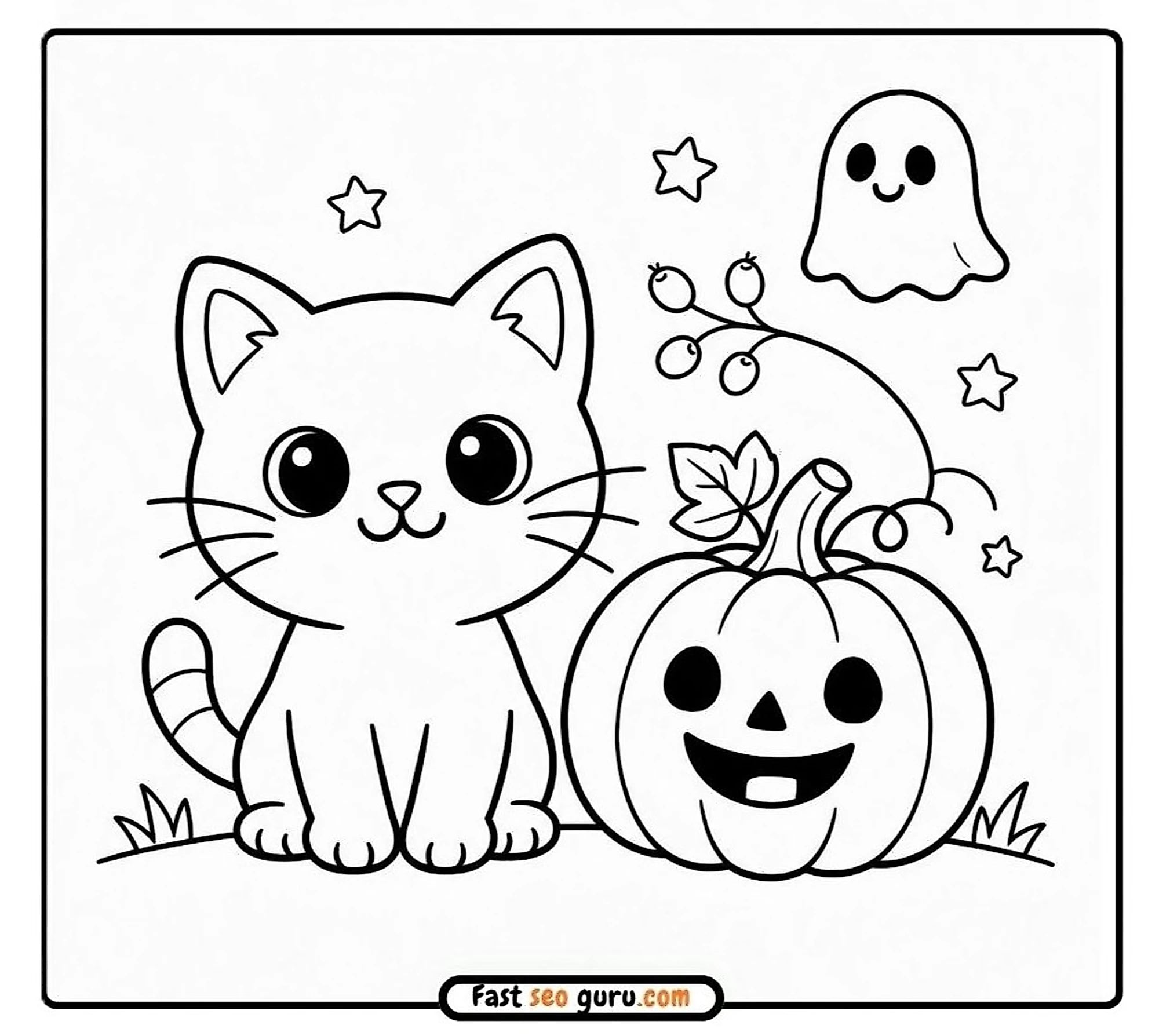
Coloring Halloween themes gives children a way to engage with the excitement of the season at their own pace. Filling in a pumpkin or a ghost with crayons builds fine motor control and strengthens the hand muscles children use for writing. Choosing colors encourages independent decision-making and creative expression. For younger children especially, careful coloring work also builds concentration and patience.
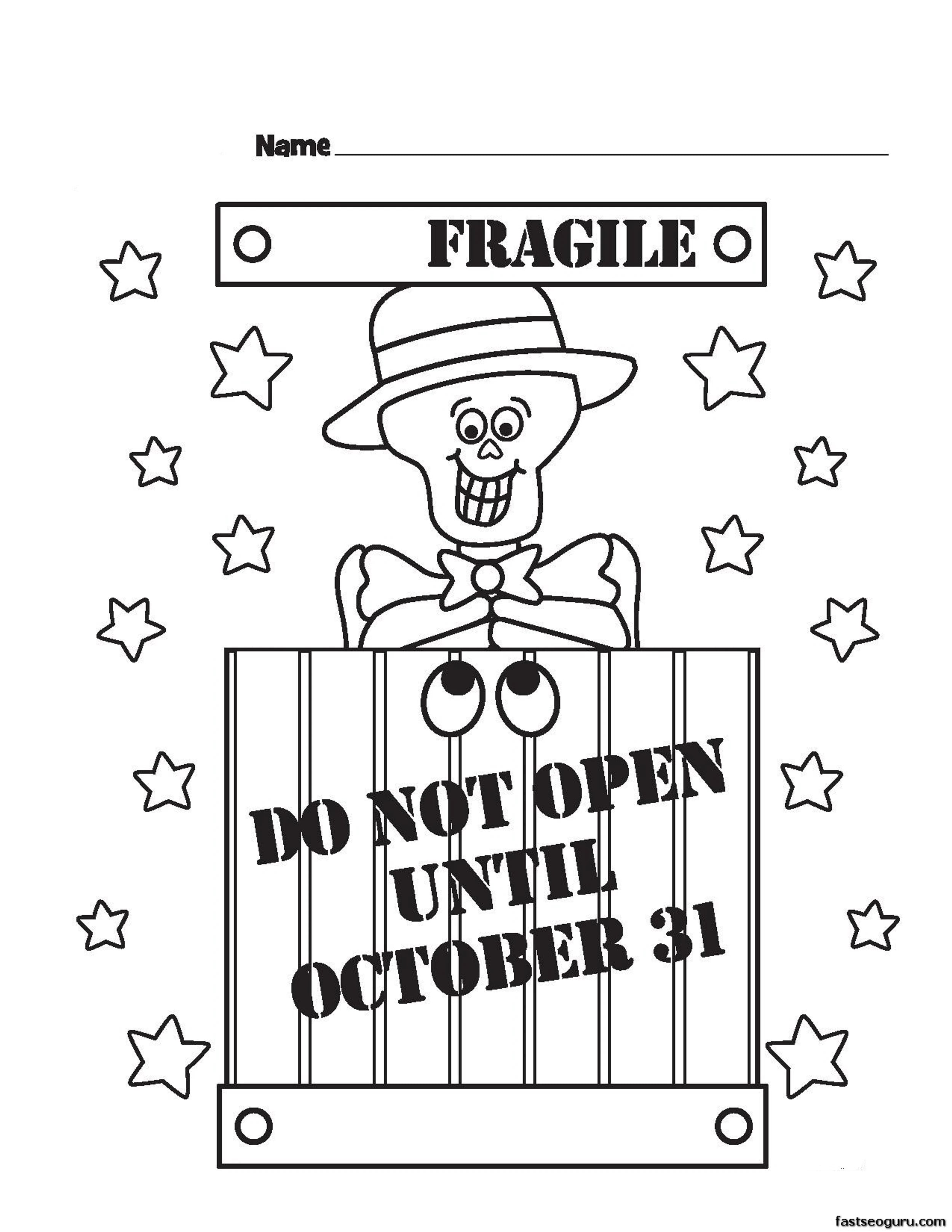
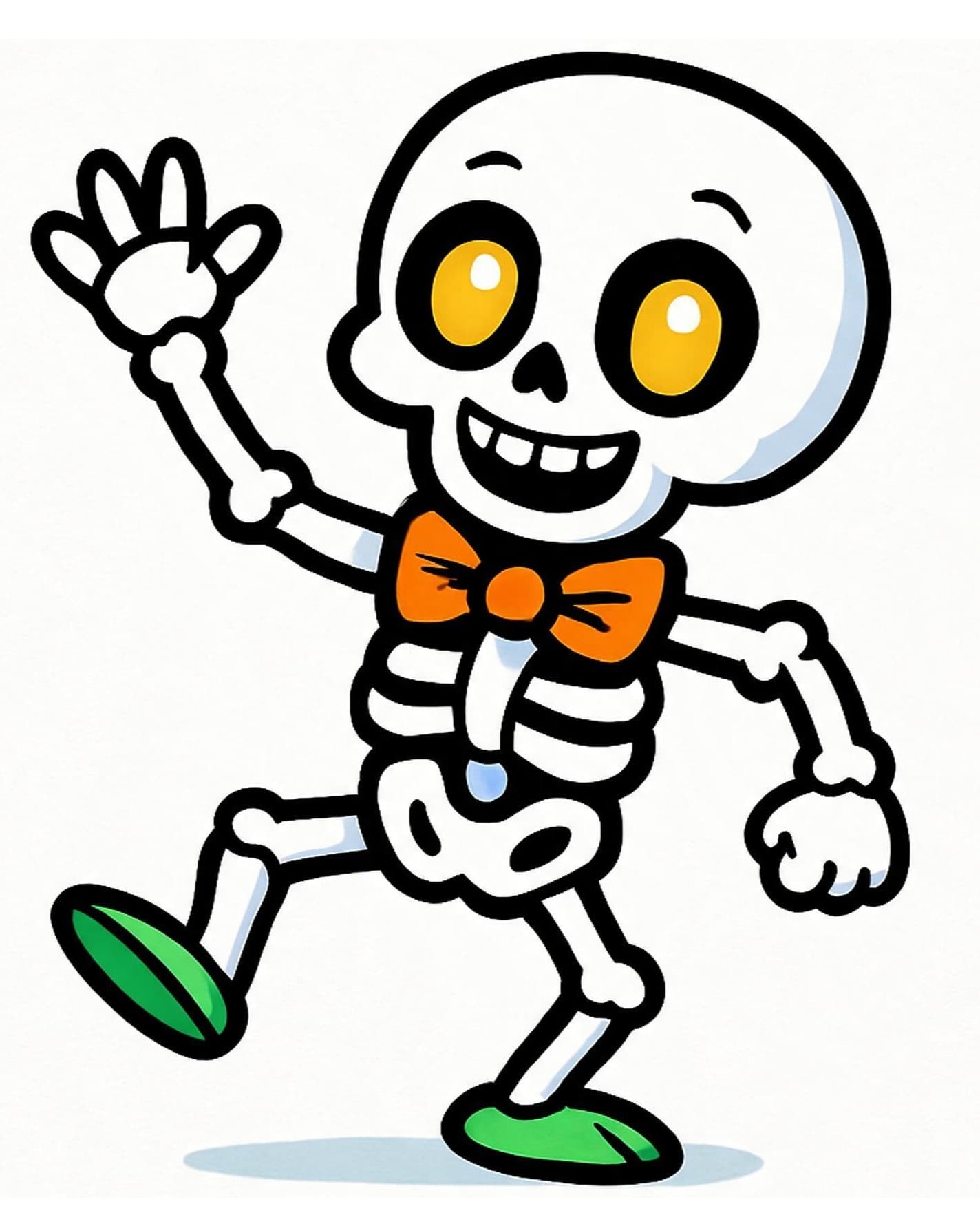
Beyond the physical benefits, Halloween coloring pages naturally open up conversations. A child coloring a jack-o'-lantern might ask why pumpkins are carved at Halloween. A child coloring a skeleton might ask how bones work. These moments turn a simple craft into a genuine opportunity for parents and teachers to share history, science, and storytelling in a relaxed and enjoyable setting.
Coloring is also a screen-free activity, which many parents and teachers find useful during October when children are already excited and busy with Halloween preparations.
Ideas for Home and Classroom Use
For parents: Set up a Halloween coloring station at home during October with a selection of pages, crayons, and colored pencils. Pair the activity with simple conversations about what each Halloween symbol means and where the traditions come from.
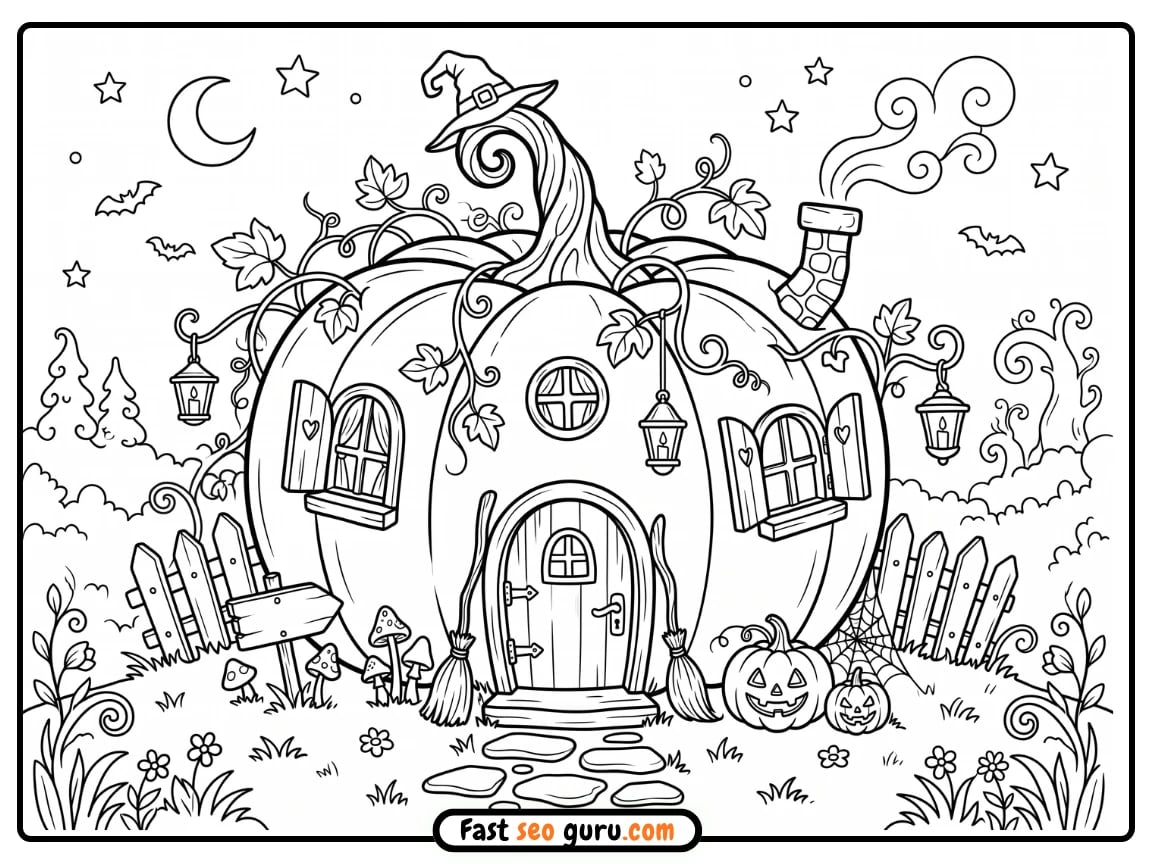
For teachers: Use Halloween coloring pages as an activity station during classroom Halloween parties, as an early finisher task during October, or as a starting point for creative writing prompts. Ask students to name their ghost, write a story about their haunted house, or describe what their skeleton did on Halloween night.
History lessons: Pair Skeleton Coloring Pages or Witch Coloring Pages with age-appropriate discussions about Halloween history, Samhain, or the origins of jack-o'-lanterns. Even young children respond well to simple historical storytelling alongside a hands-on activity.
crafts: Completed coloring pages can be cut out and used as window decorations, greeting cards, or classroom display materials throughout October.
Printing Tips
All pages in this collection fit both US Letter (8.5 x 11 in) and A4 paper. For the best results:
Print on white cardstock paper for crisp, durable lines Set your printer to Fit to Page and High Quality Use crayons for younger children and colored pencils or fine-tip markers for older children and adults who want more detail Watercolor paints work well on cardstock but may cause standard printer paper to buckle
Short Fun Facts – Halloween 🎃
The word Halloween comes from All Hallows Eve – the night before All Saints Day in the Christian calendar.
Samhain, pronounced SAH-win, is an Old Irish word meaning roughly "summer's end."
Jack-o'-lanterns were originally carved from turnips, not pumpkins – Irish immigrants switched to pumpkins after arriving in North America.
The phrase "trick or treat" first appeared in print in Blackie, Alberta, Canada in 1927.
Wearing costumes on Halloween traces back to the Celtic belief that disguises offered protection from wandering spirits on Samhain night.
Bats became associated with Halloween partly because ancient Samhain bonfires attracted insects – which in turn attracted bats to the light.
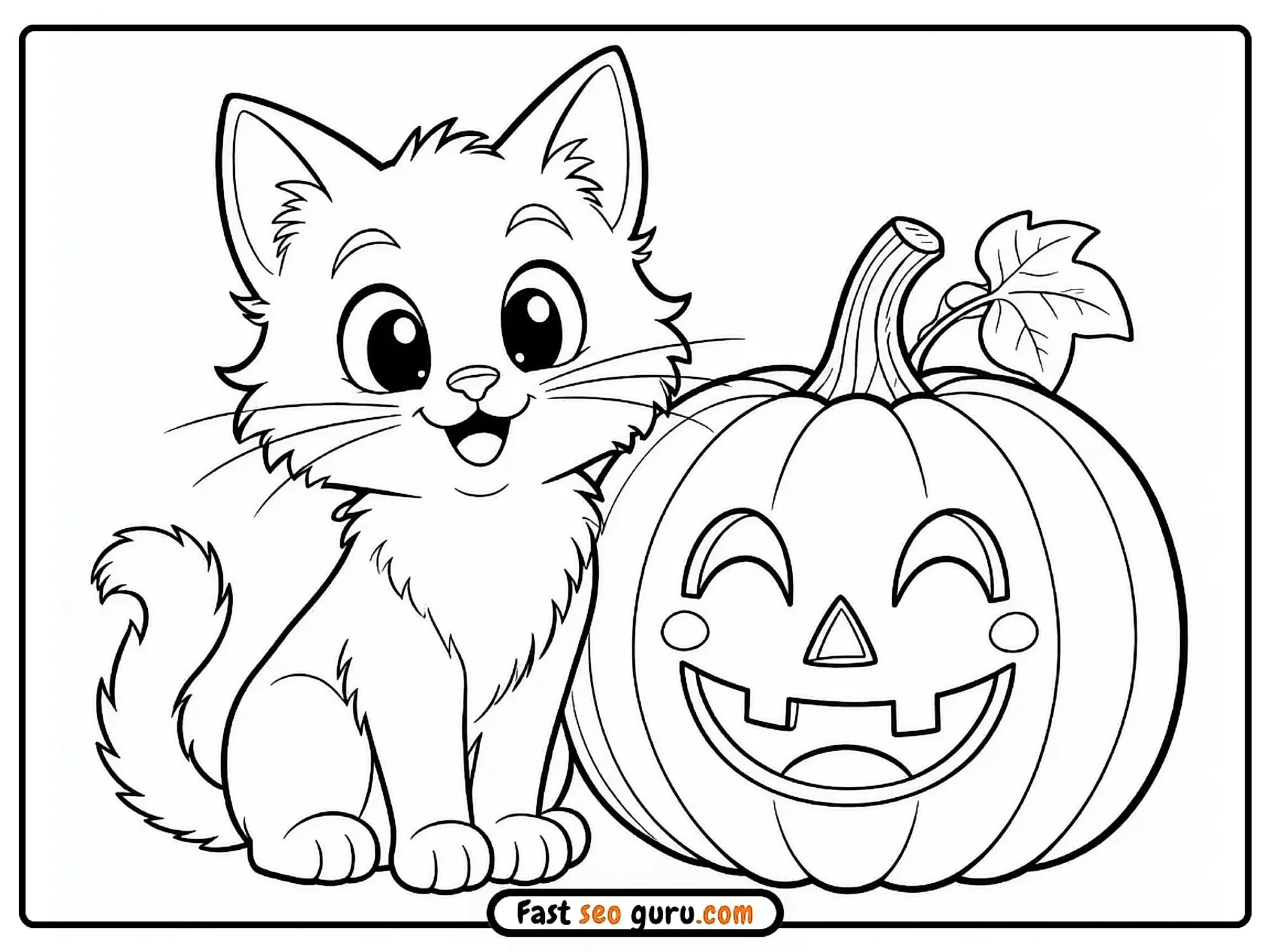
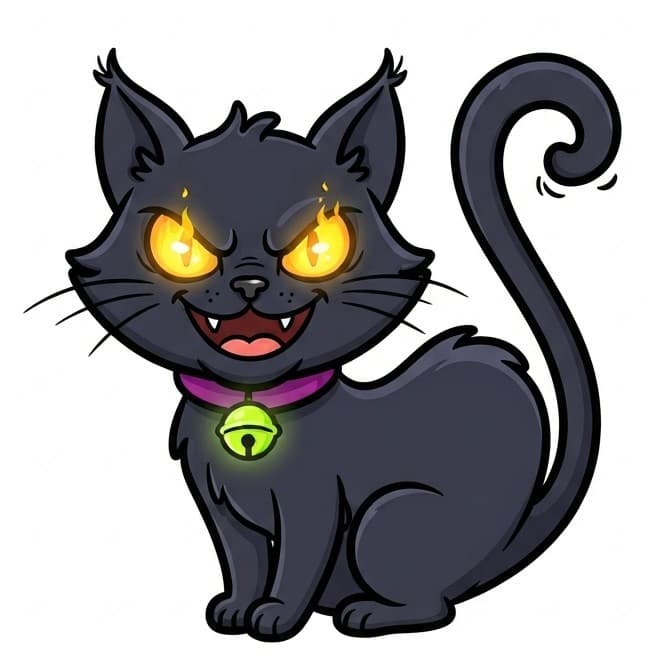
Black cats became a Halloween symbol during the Middle Ages, when folklore in parts of Europe connected them to witchcraft and misfortune.
Halloween is celebrated on October 31 every year – a date that marked the eve of the Celtic in the ancient Samhain calendar.
Why Kids Love Halloween Coloring Pages
Halloween is one of the few times of year when spooky things become exciting rather than frightening, and coloring pages capture that spirit perfectly. Children can make their ghost as silly or as scary as they like, give their pumpkin any expression they choose, and turn their haunted house into something uniquely their own. Coloring builds fine motor skills, encourages creative thinking, and gives children a satisfying screen-free activity during one of the most exciting seasons of the year.
👉 Browse all Holiday Coloring Pages: https://fastseoguru.com/category/holiday-coloring-pages