



Witches and Halloween – A Lasting Symbol
Few Halloween symbols are as instantly recognizable as the witch – pointed black hat, broomstick in hand, cauldron bubbling nearby. The image has appeared on Halloween decorations, costumes, and children's books for well over a century. But the connection between witches and Halloween runs far deeper than modern decorations suggest, stretching back through centuries of folklore, history, and cultural change.
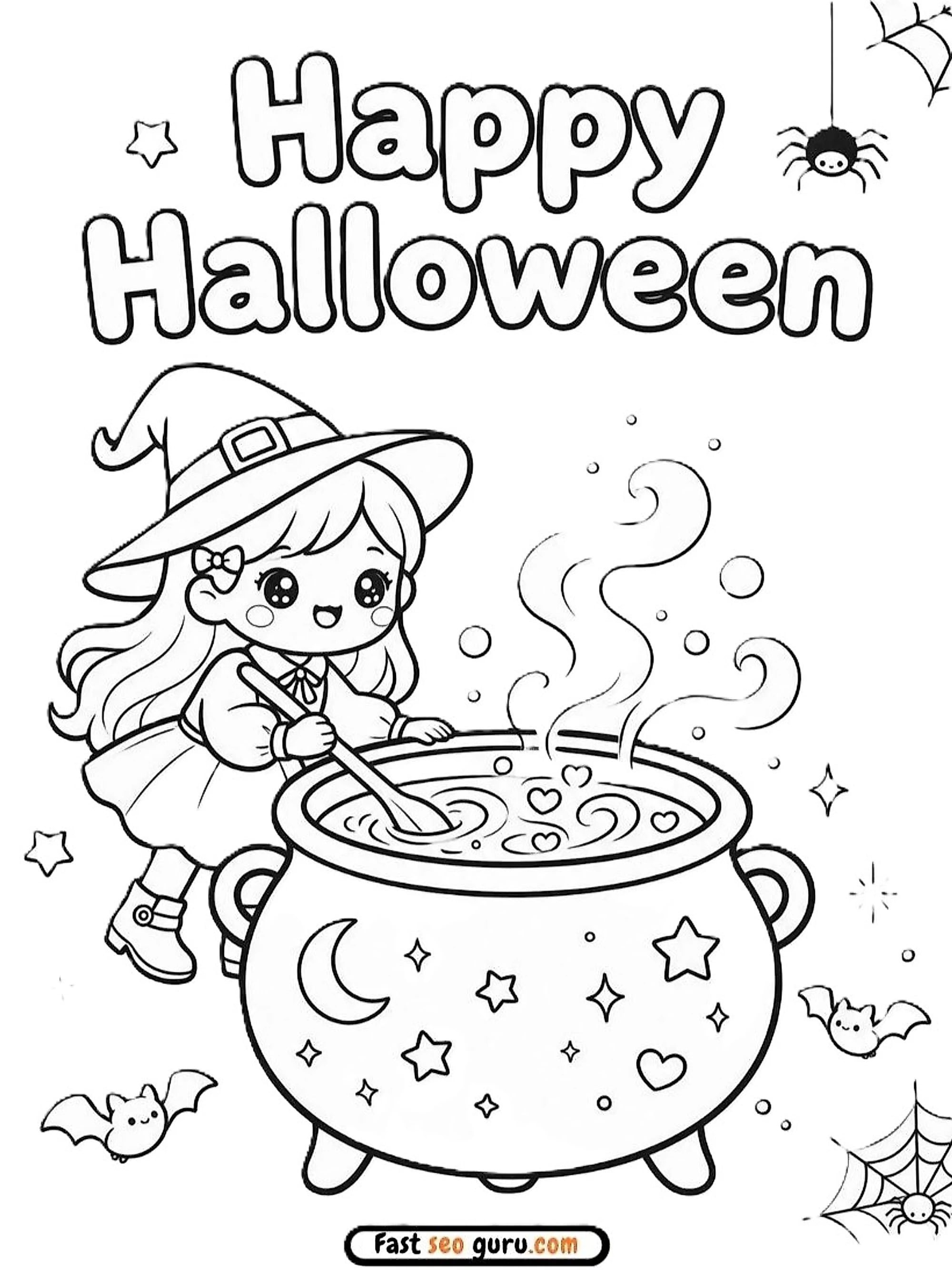
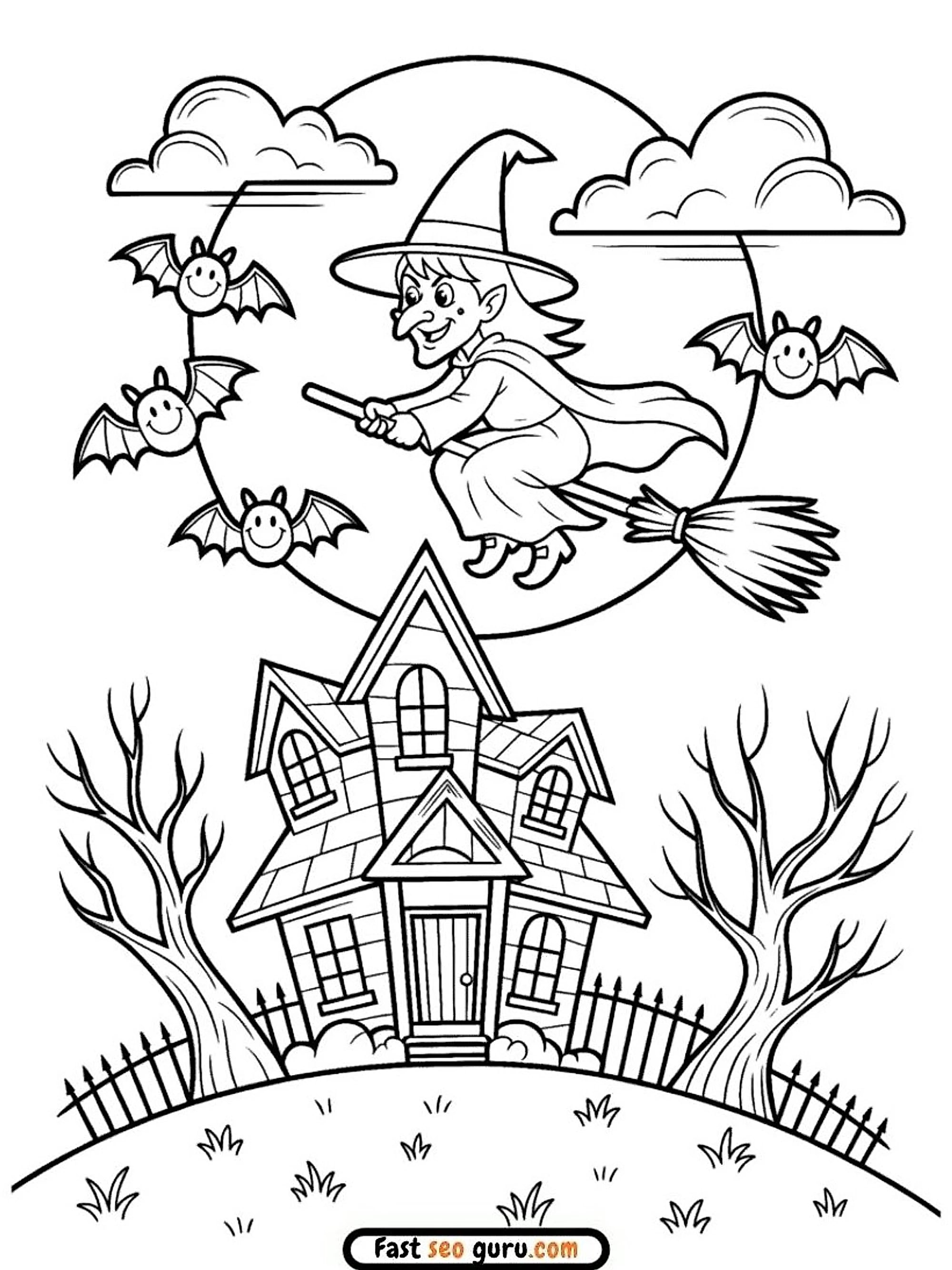
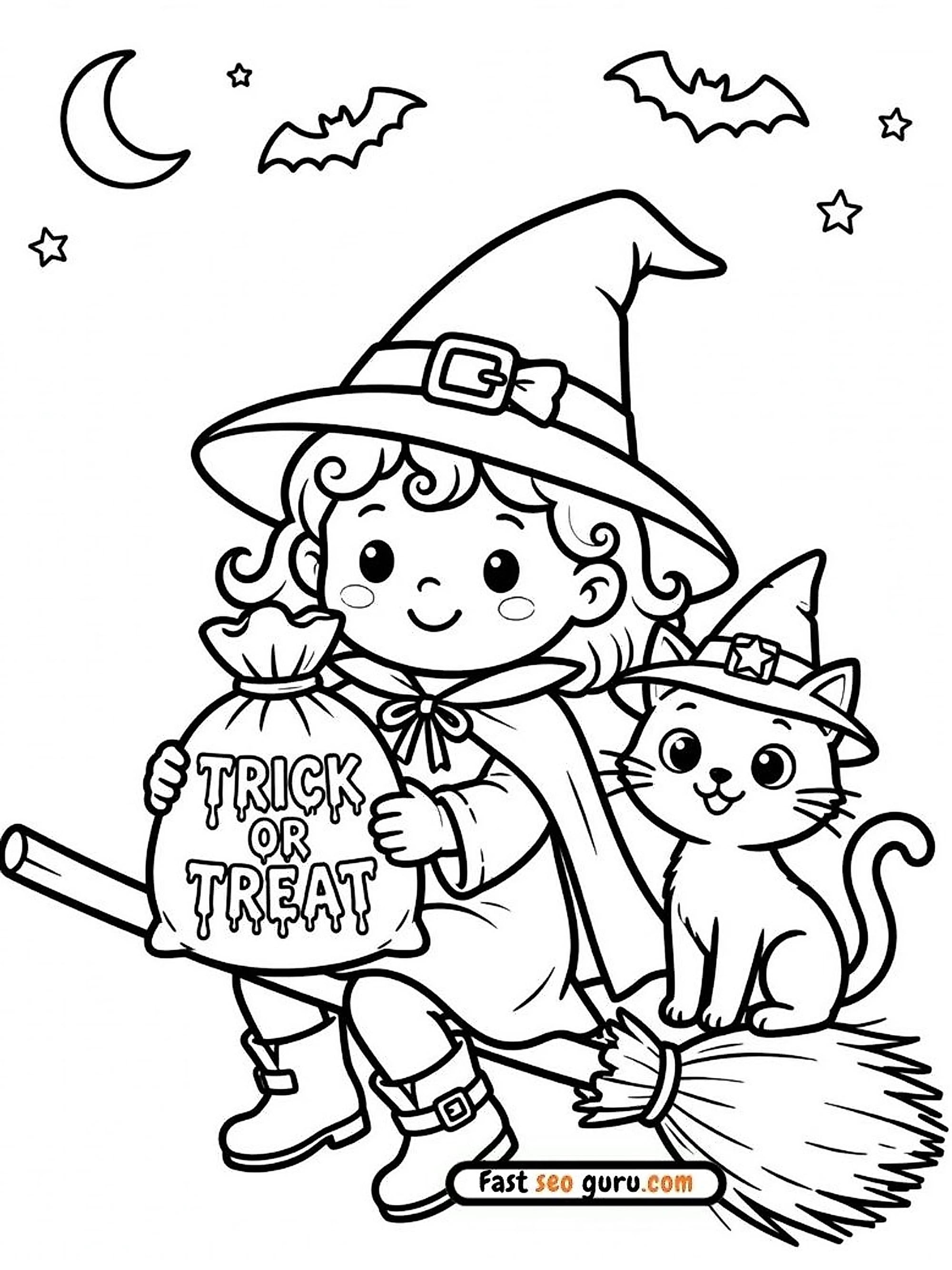
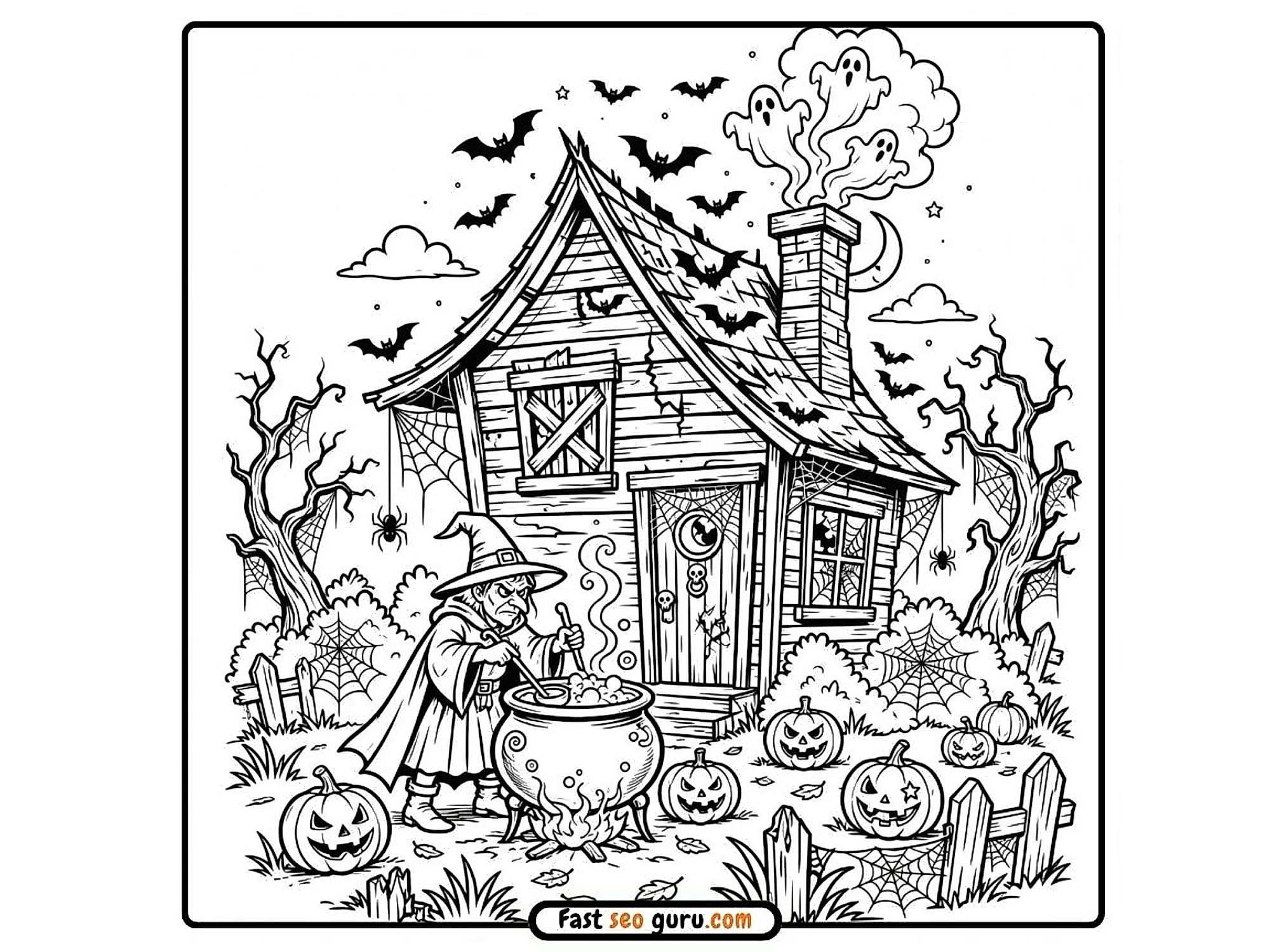
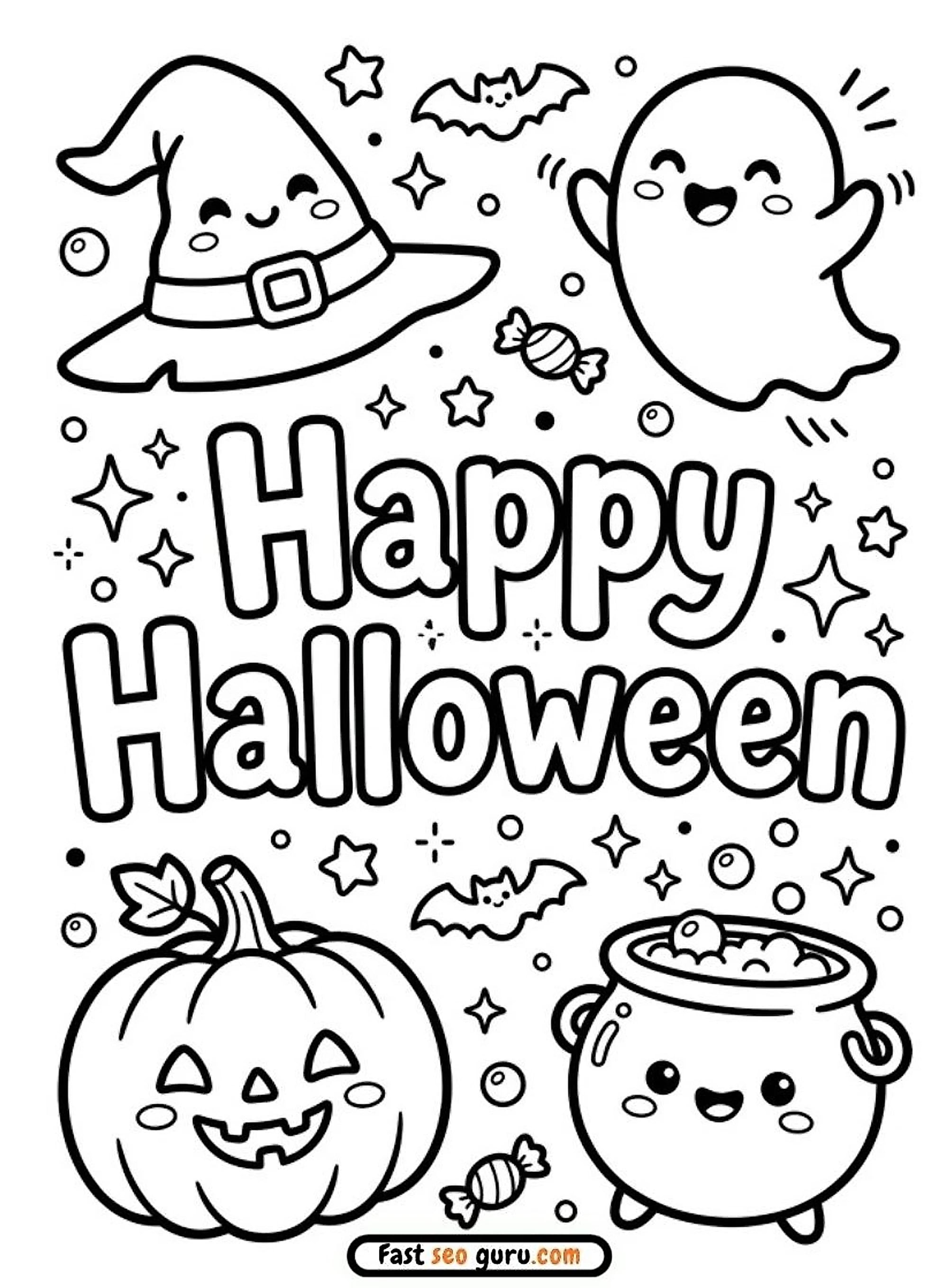
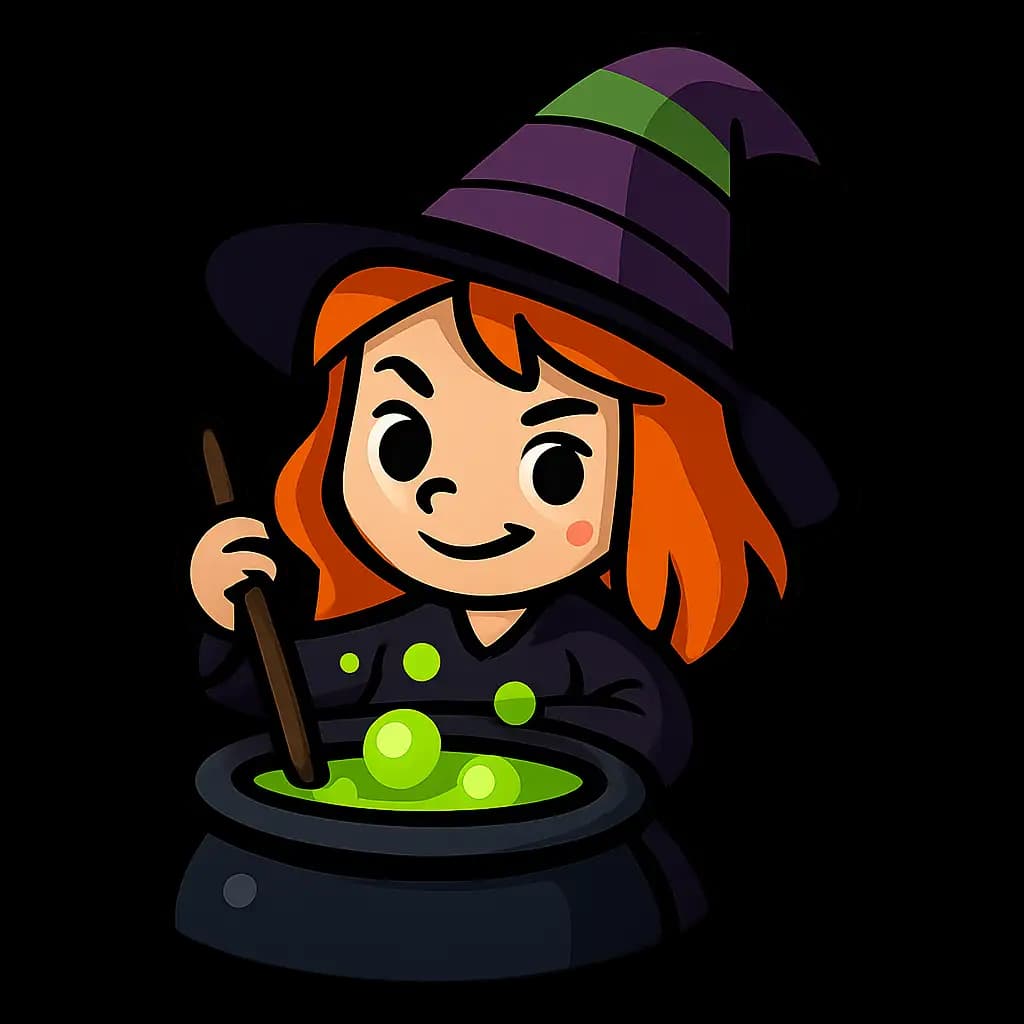
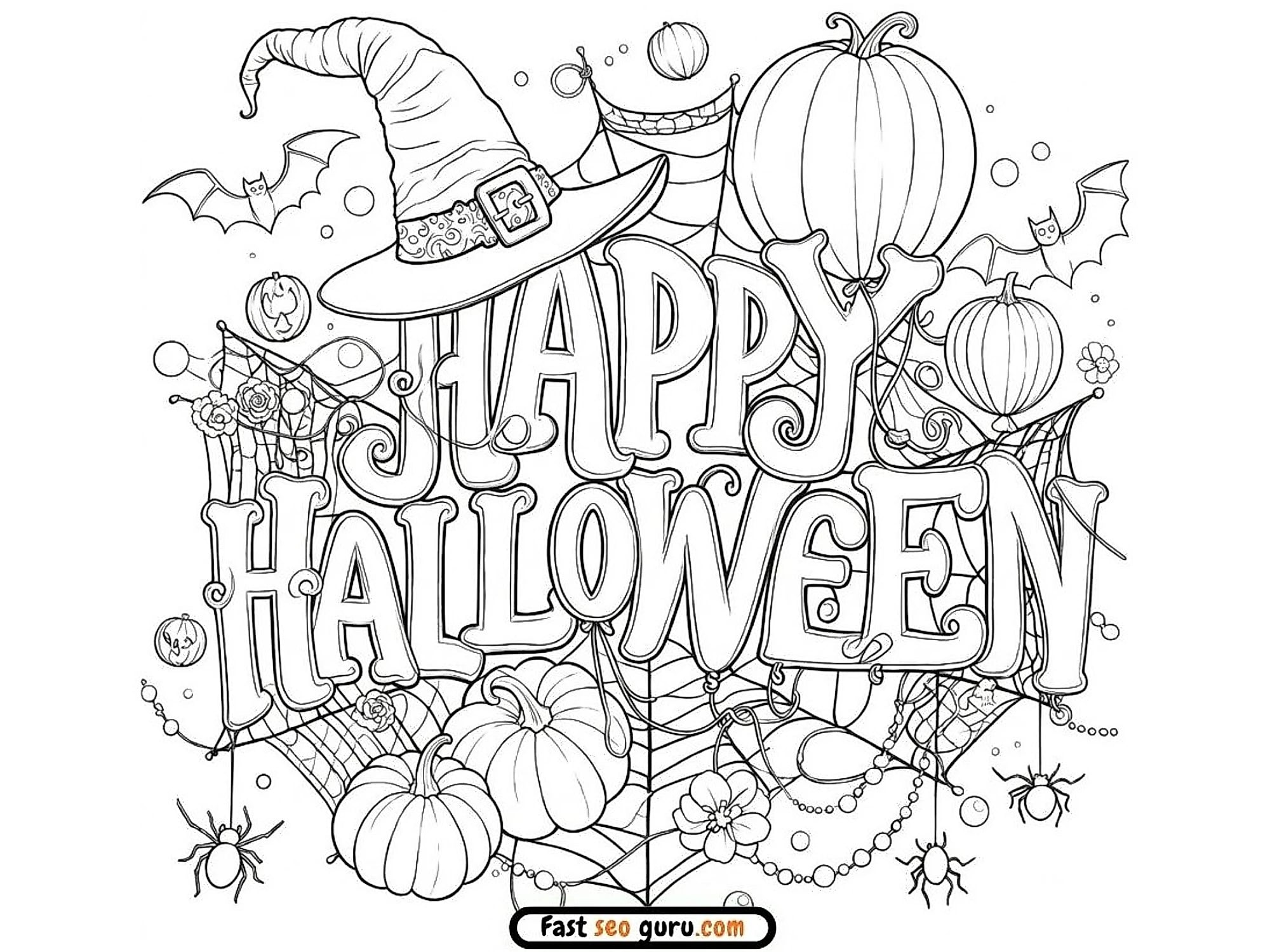
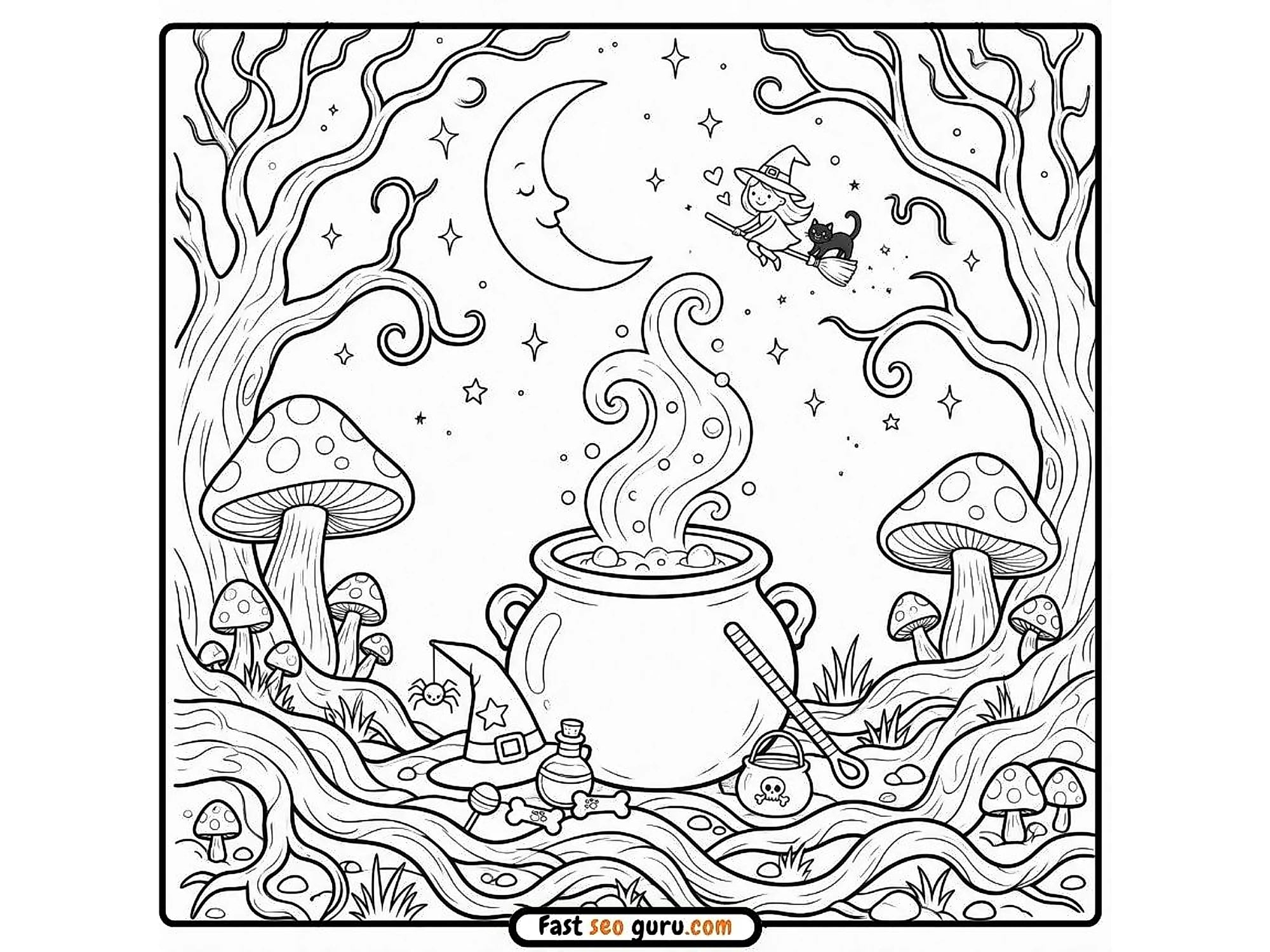
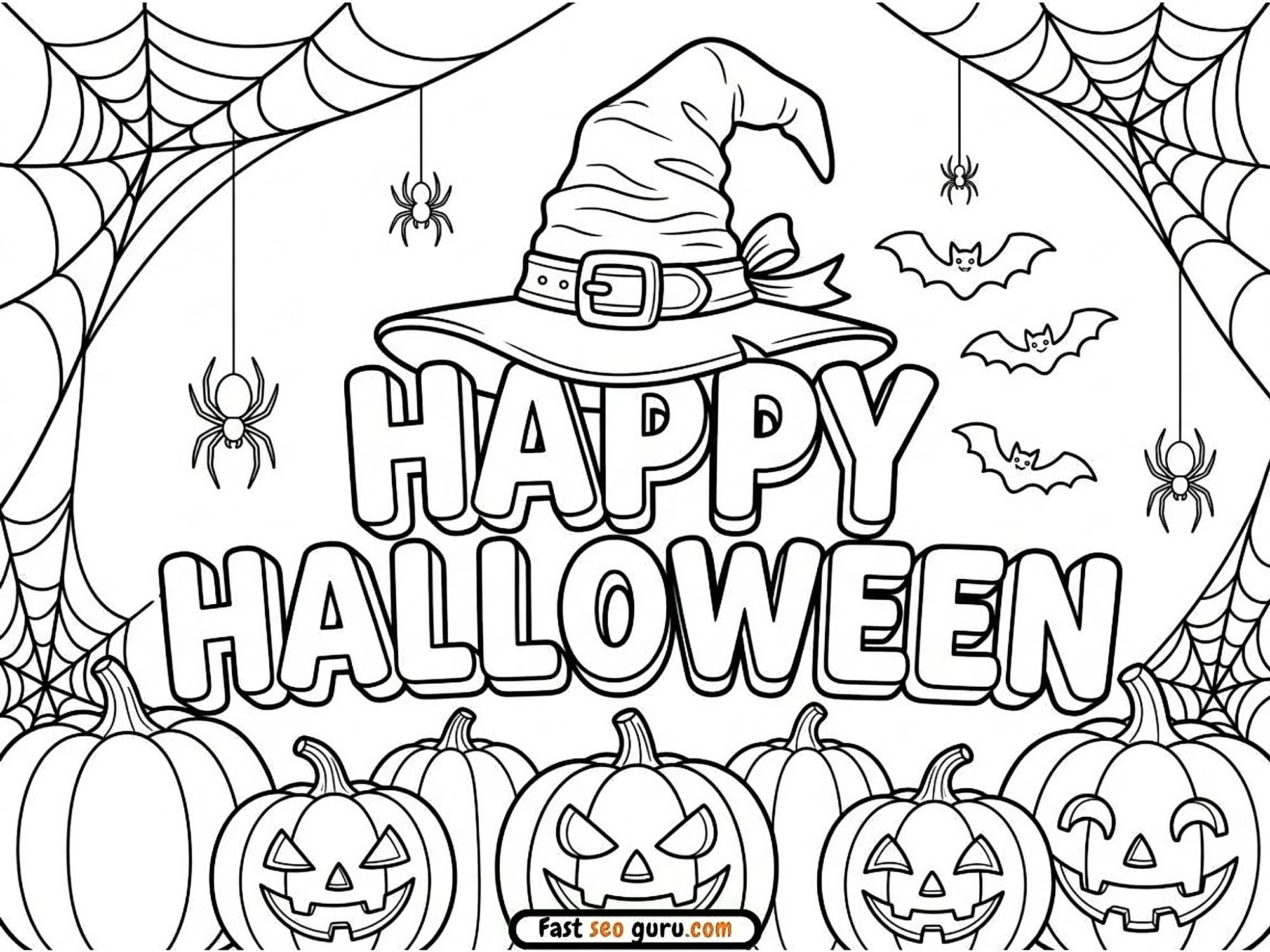
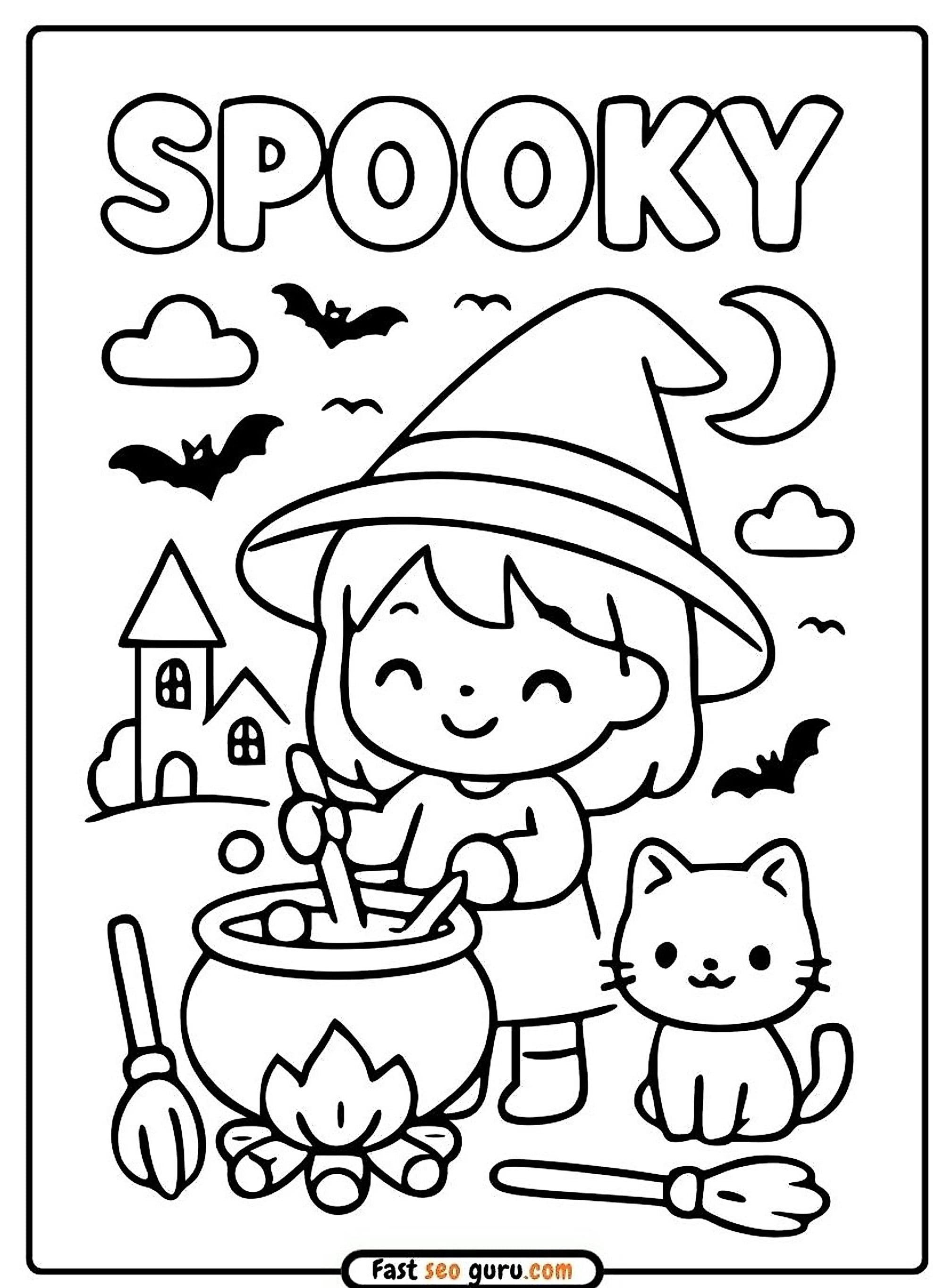
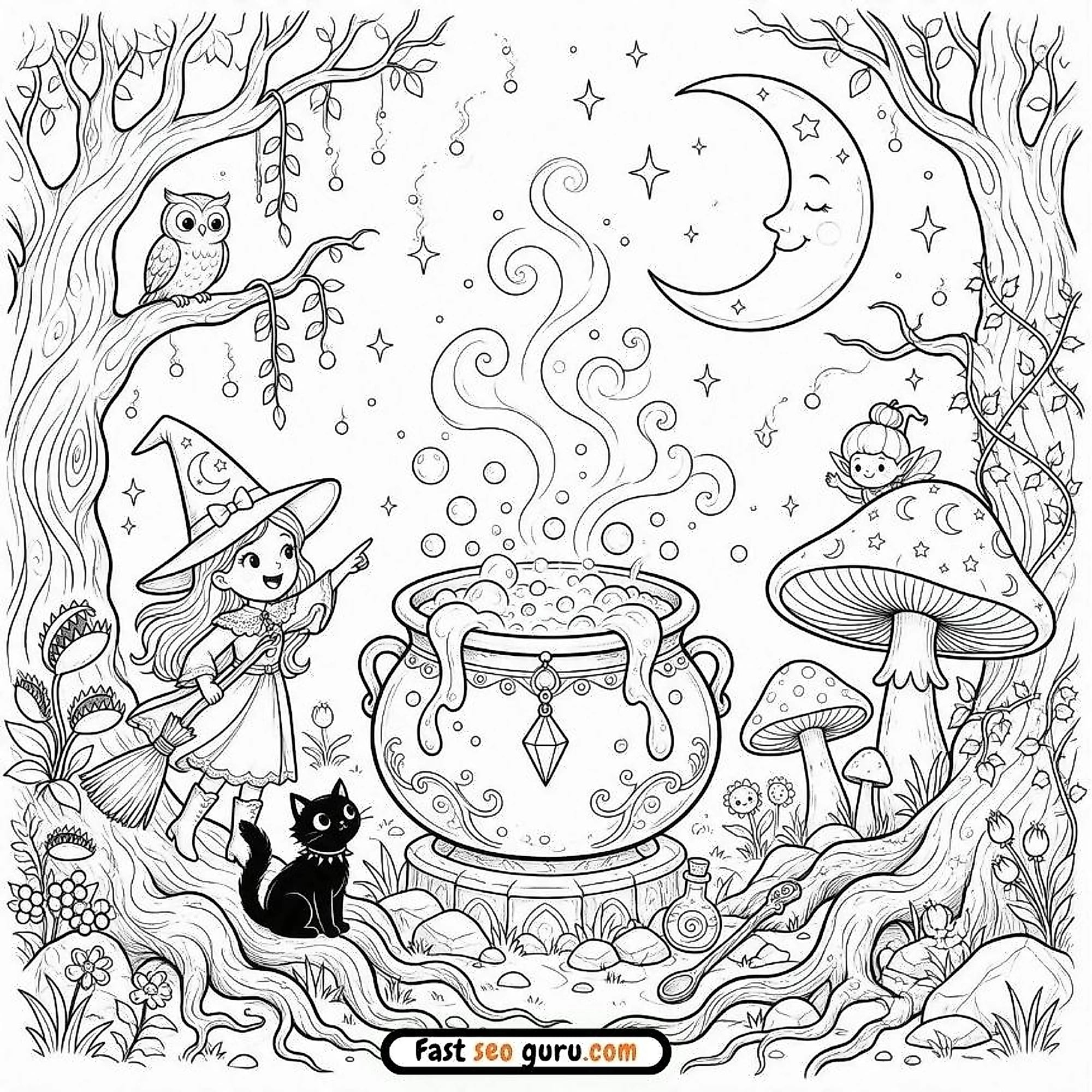
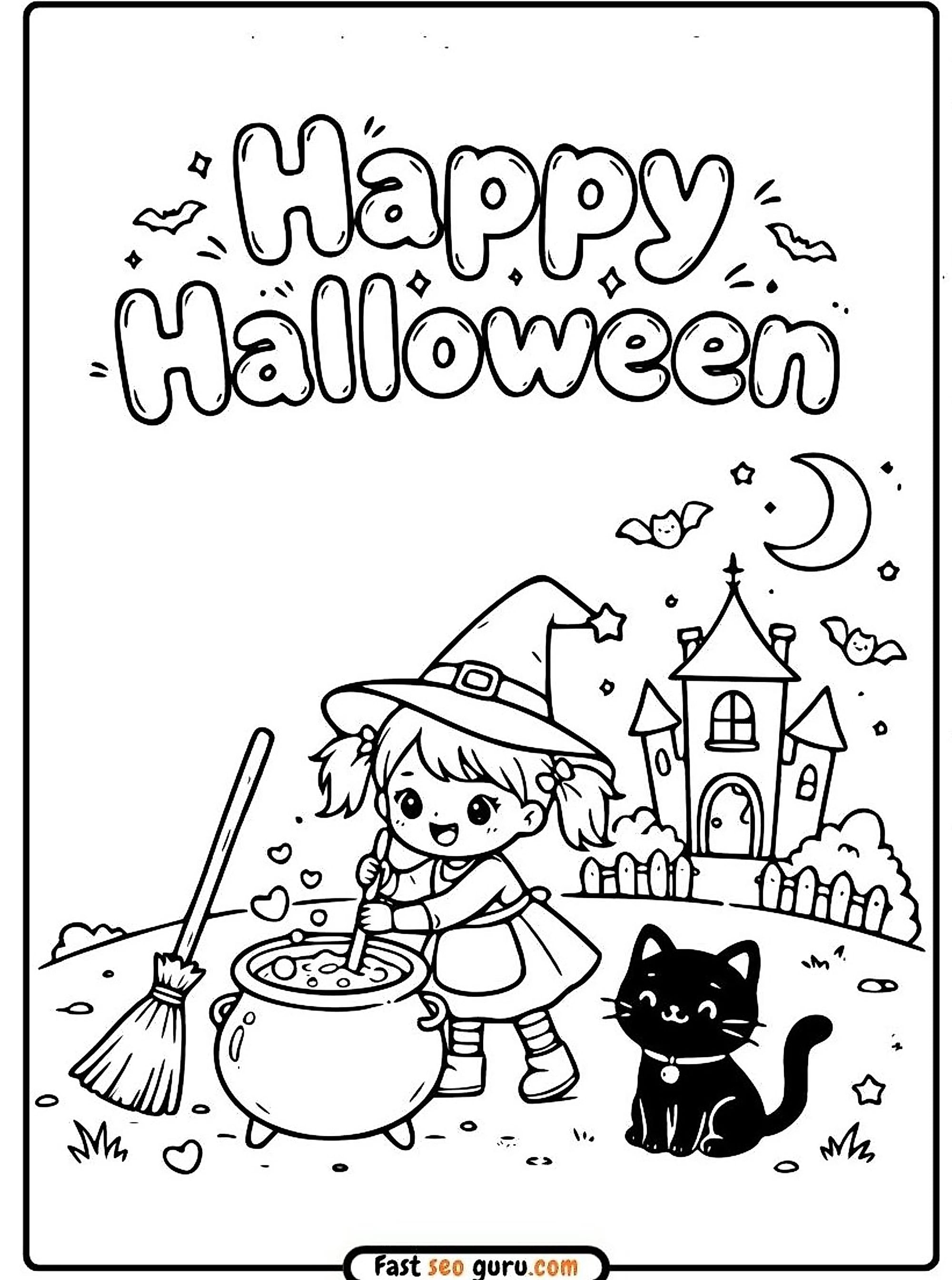
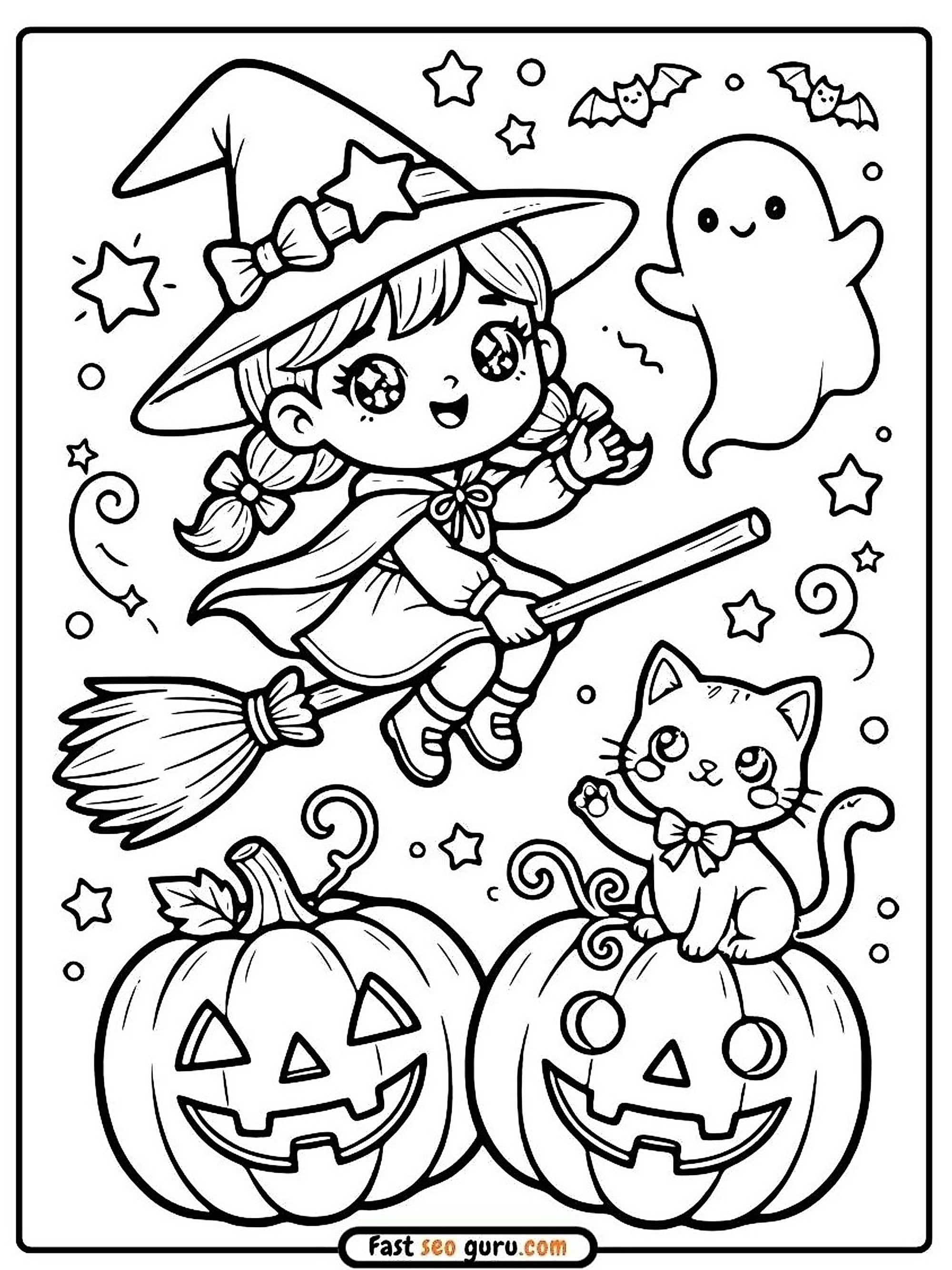
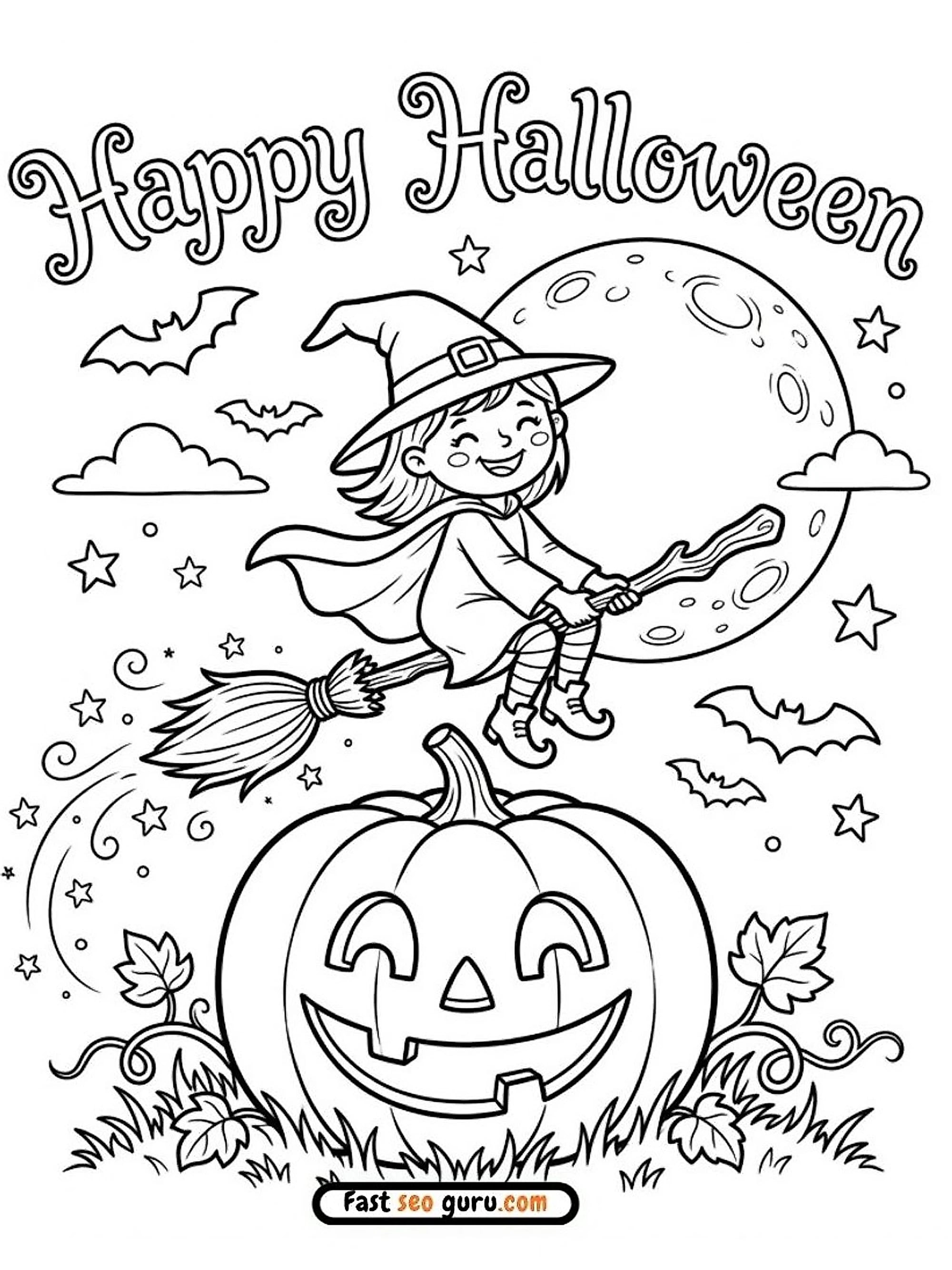
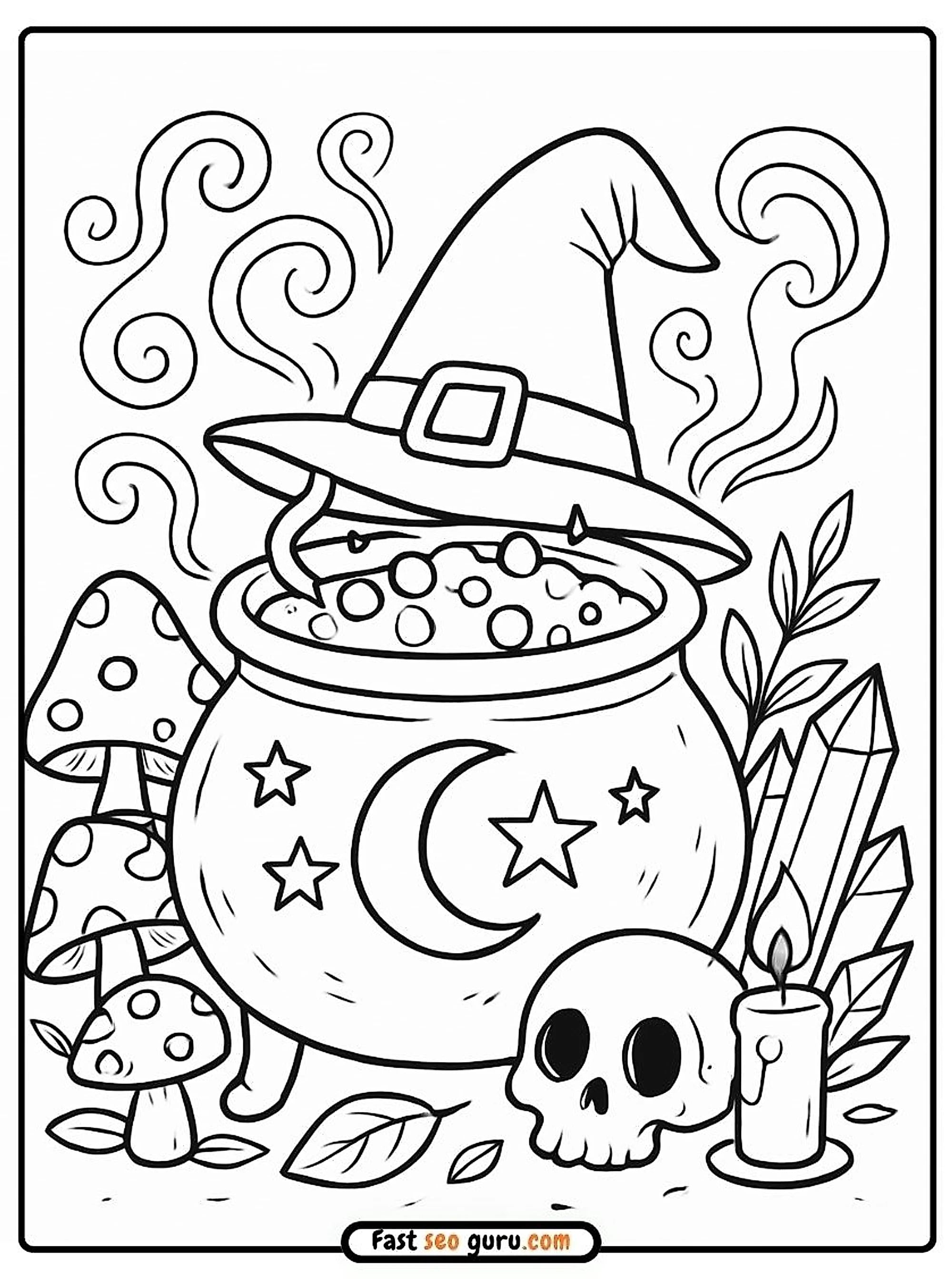
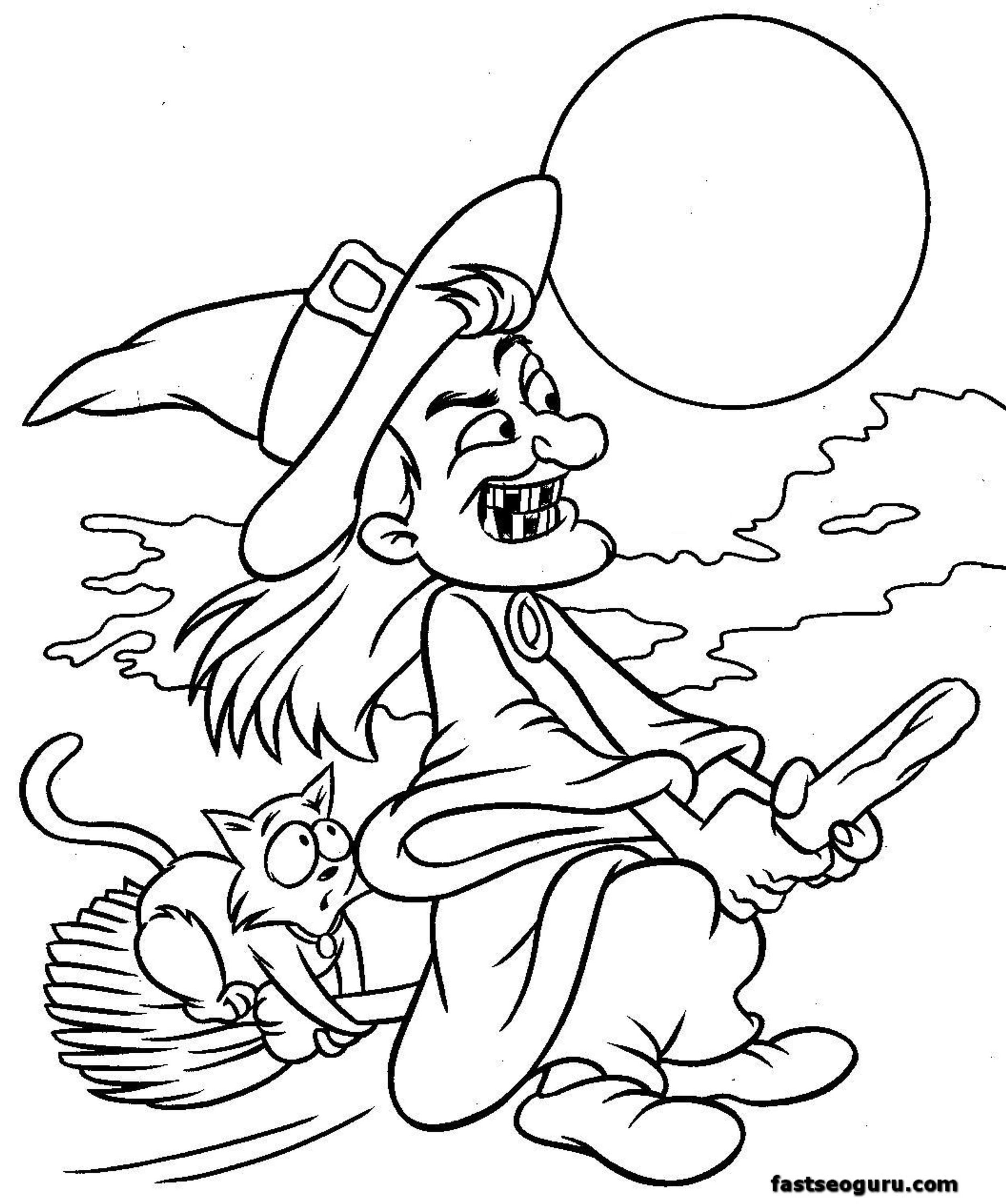
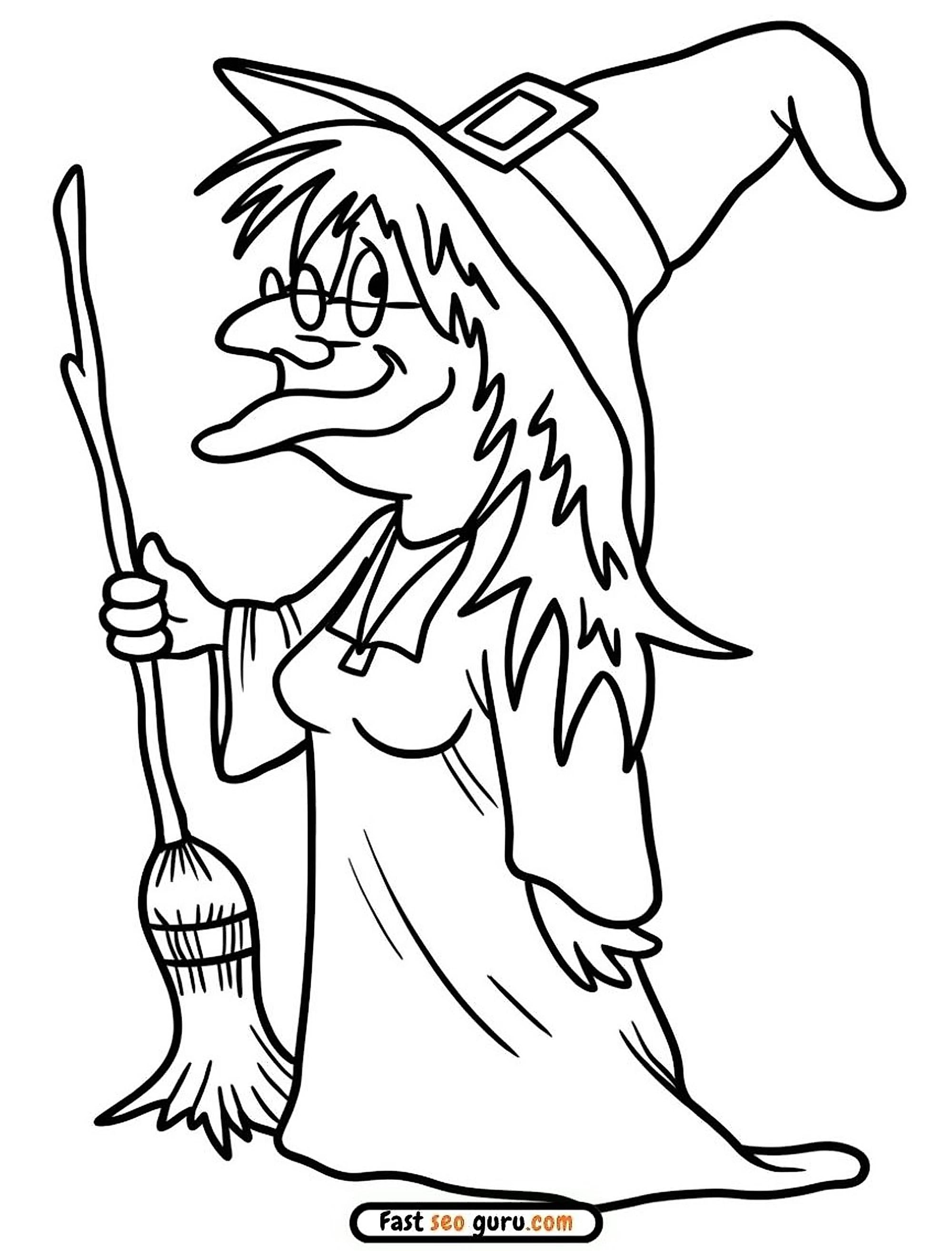
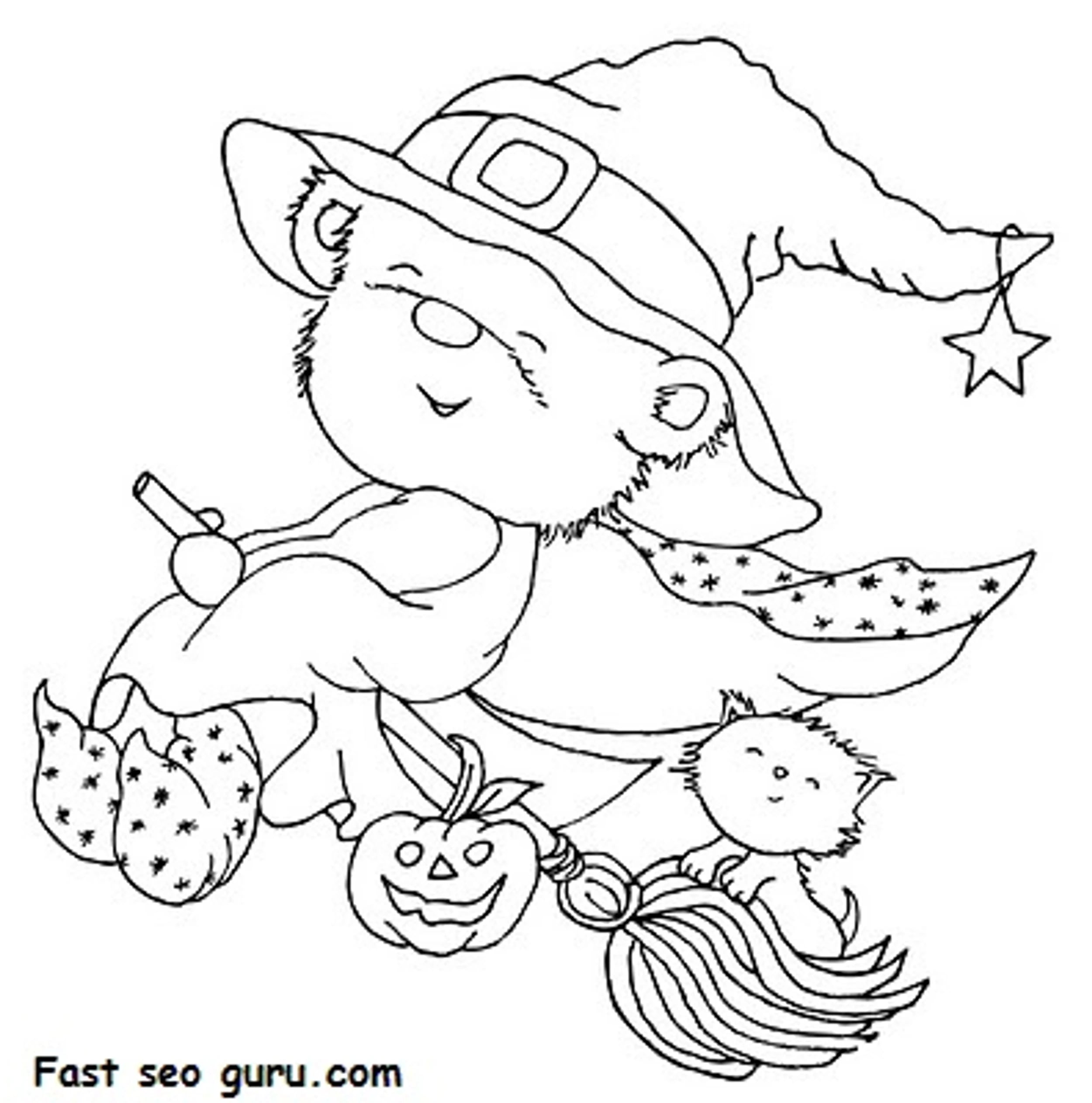
Witch coloring pages give children a fun, creative way to engage with one of Halloween's most theatrical and enduring characters – and they work equally well for children who prefer a friendly, cartoon-style witch or a more dramatic, detailed Halloween scene.
The History of Witches and Halloween
Witches in the Ancient World
Belief in witches – people thought to possess magical powers, often connected to the spirit world – appears in cultures across human history. References to witches and magic users appear in ancient Egyptian texts, the Bible, Greek and Roman writings, and the folklore of cultures on every continent.
In the ancient Celtic world, certain individuals were believed to hold special knowledge of herbs, healing, and the natural world. As Christianity spread through Europe, these figures were increasingly reframed as dangerous and threatening rather than wise and helpful. The word witch itself comes from the Old English word wicce, which originally carried the meaning of a wise woman or seer.
Why Witches Became Part of Halloween
The connection between witches and Halloween developed gradually during the Middle Ages and the early modern period. Because Halloween fell on the eve of All Saints Day – a Christian holy day – the night became associated in popular belief with everything that stood outside the church: magic, spirits, and witchcraft.
By the nineteenth century, as Halloween became more culturally prominent in North America, witches were firmly established as one of its central symbols. Literary depictions of witches – from Shakespeare's Macbeth to fairy tales and folk stories – had created a recognizable visual image: the pointed hat, the broomstick, the cauldron, and the black cat companion. This imagery became part of the standard Halloween visual language that we recognize today.
From Feared Figure to Halloween Icon
Over the course of the 20th century, the witch shifted from a genuinely feared figure in folk belief to a beloved Halloween character. Children's books, cartoons, and decorations gradually made the witch friendlier and more playful. Today the Halloween witch exists in many forms – from a scary, dramatic figure in a scene to a cheerful, colorful character on a child's coloring page. This range makes witch designs some of the most versatile and widely used images in any Halloween coloring collection.
What Makes Witch Coloring Pages Special
Witch coloring pages offer children an unusually wide creative range. The classic visual elements – pointed hat, flowing robes, broomstick, cauldron, stars, moon, black cat – can be combined in countless ways, making each witch coloring page feel unique and personal.
Younger children enjoy the bold, simple shapes of a cartoon witch, while older children can tackle more detailed scenes featuring moonlit skies, forest backgrounds, bubbling cauldrons with magical ingredients, and elaborate costume details. The theatrical quality of witch imagery also makes it particularly popular for Halloween party decorations and classroom display materials.
How to Use Witch Coloring Pages at Home and in the Classroom
At Home
Set up a Halloween coloring station with witch pages alongside crayons, colored pencils, and metallic or glitter markers for extra magical effect. While children color, share simple age-appropriate facts about where the Halloween witch image comes from and why witches appear so often in fairy tales and folklore. Completed witch pages make striking window decorations in the weeks before October 31st.
In the Classroom
Witch coloring pages work well as Halloween party activity stations, early finisher tasks throughout October, and starting points for creative writing. Teachers can ask students to name their witch, describe her magical powers, and write about what she does on Halloween night. Older students can connect the witch imagery to literature discussions about fairy tales, Shakespeare, or the history of witch trials in early modern Europe – turning a coloring activity into a genuine curriculum connection.
Printing Tips for the Best Results
Print on white cardstock paper for the crispest lines and most vibrant colors. Set your printer to Fit to Page and High Quality for the best output. All pages fit both US Letter (8.5 x 11 in) and A4 paper.
Classic Halloween colors work beautifully for witch pages – deep purple and black for the robes and hat, bright orange for a glowing moon or pumpkins in the background, and green for a bubbling cauldron. For a more playful look, encourage children to dress their witch in any color they like – a pink witch with a rainbow broomstick is just as valid as a traditional Halloween design.
Short Fun Facts – Halloween Witches 🎃🧙
The word witch comes from the Old English word "wicce," which originally meant a wise woman or seer – not a villain.
The iconic image of a witch flying on a broomstick first appeared in European illustrations around the 15th century and became one of the most recognized images in Western folklore.
All Hallows Eve was brought to the United States by European immigrants in the 1800s, and with it came the witch costume – making it one of the oldest Halloween costume traditions in North America.
Shakespeare's play Macbeth, written around 1606, helped establish the image of witches gathered around a cauldron as one of the most enduring scenes in Western literature and contributed to the Halloween witch image we know today.
By the nineteenth century, as people wanted to inject a sense of magic and mystery back into their world, Halloween again became associated with the occult, and insofar as witches held sway over literary imagination, they became entangled in Halloween.
Black cats became associated with witches during the Middle Ages, when folklore in parts of Europe suggested that witches could transform themselves into black cats – which is why both symbols appear together so often in Halloween imagery.
The pointed witch's hat as a Halloween symbol developed through a combination of folk imagery, theatrical costume, and 19th century illustration rather than from any single historical source.
Why Kids Love Witch Coloring Pages
Witches are one of the most imaginative and versatile Halloween characters a child can color. The combination of flowing robes, pointed hats, broomsticks, cauldrons, and magical accessories gives children a rich set of visual elements to work with, and the range of styles – from friendly cartoon witches to dramatic Halloween night scenes – means there is a witch coloring page suited to every age and skill level. Coloring witch pages builds fine motor skills, encourages creative color choices, and gives children a satisfying screen-free activity that connects naturally to the stories, folklore, and traditions of Halloween. Witch pages also spark natural curiosity about where the Halloween witch image comes from and why magic and witchcraft appear so often in fairy tales and stories around the world.