
Bats and Halloween – A Natural Connection
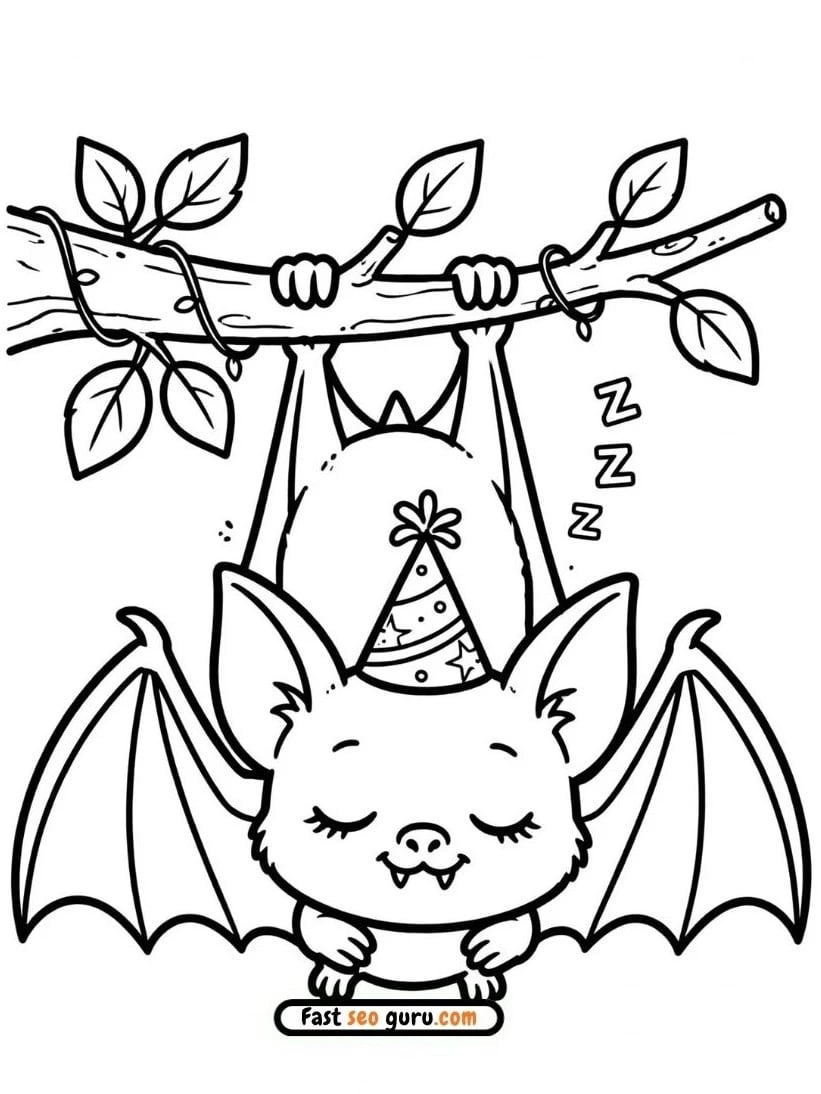
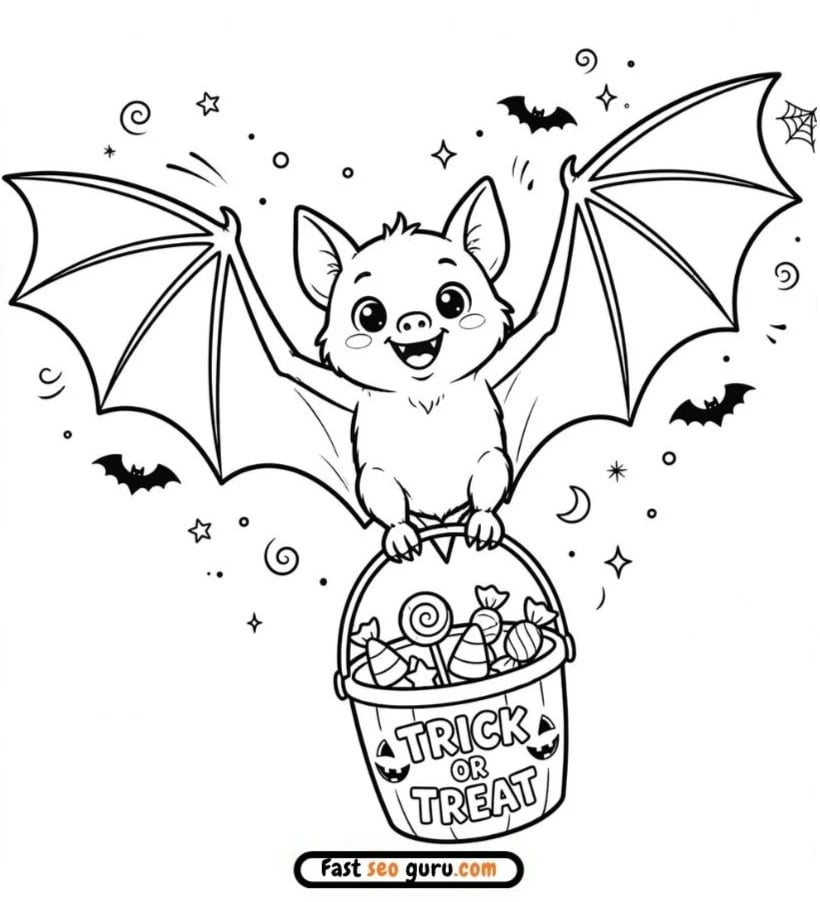
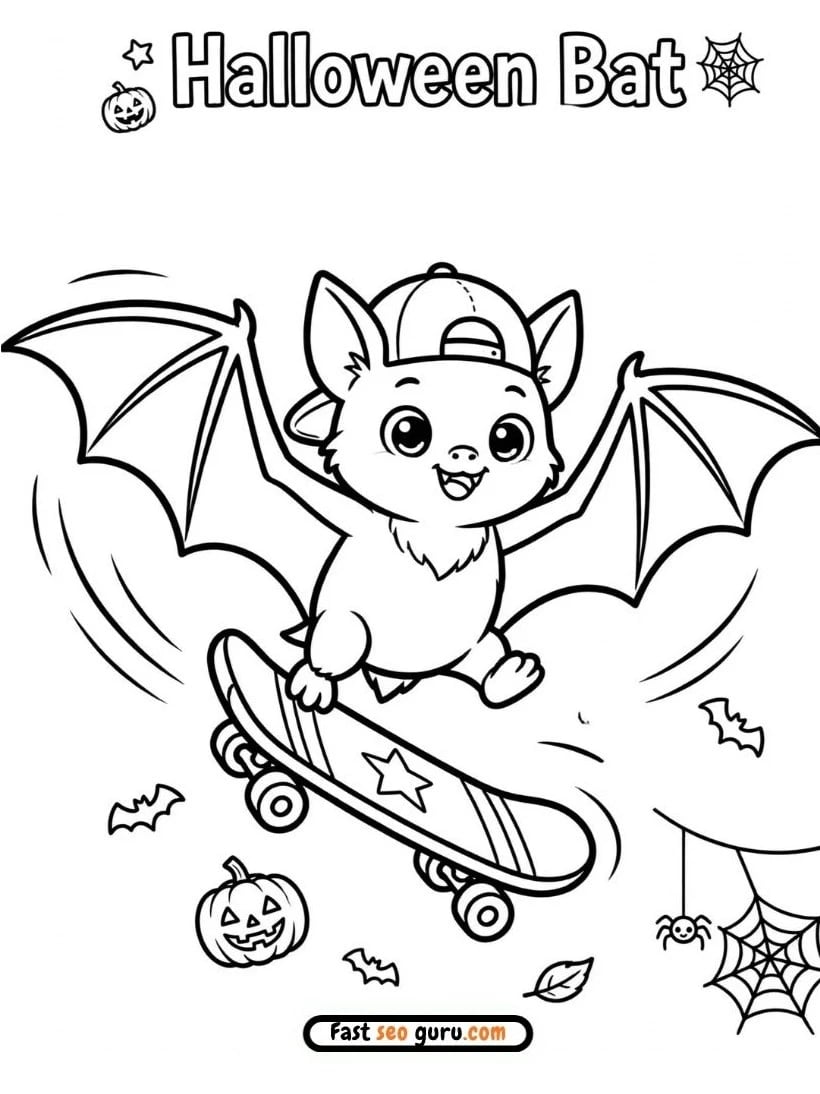
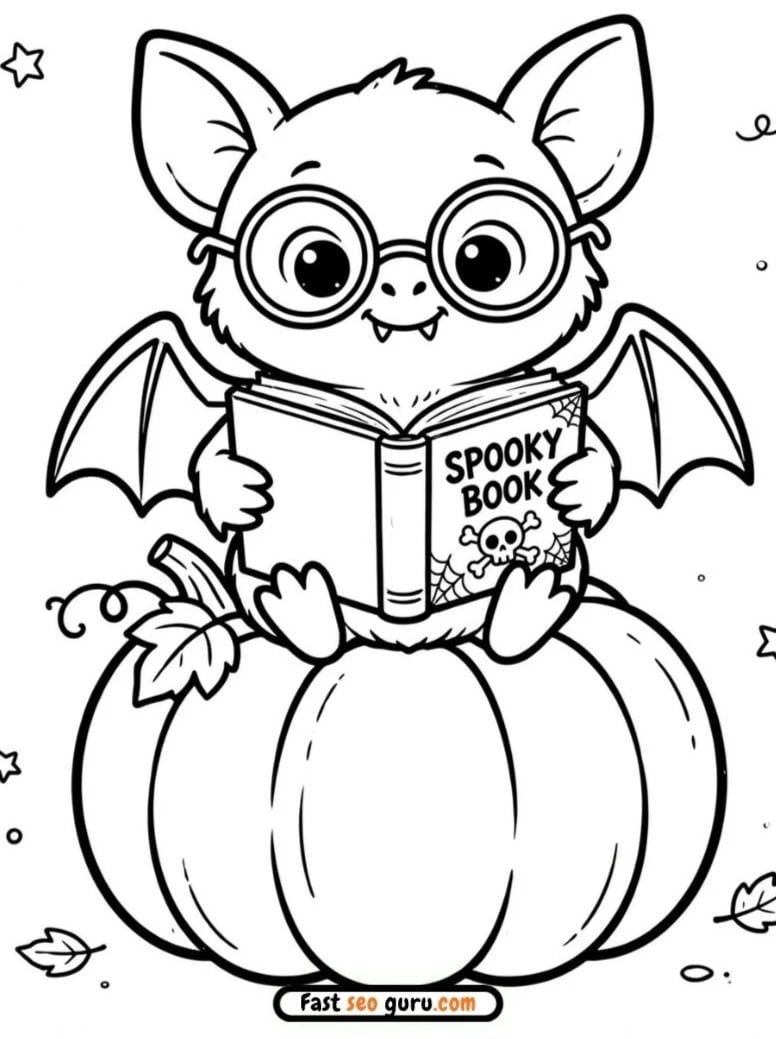
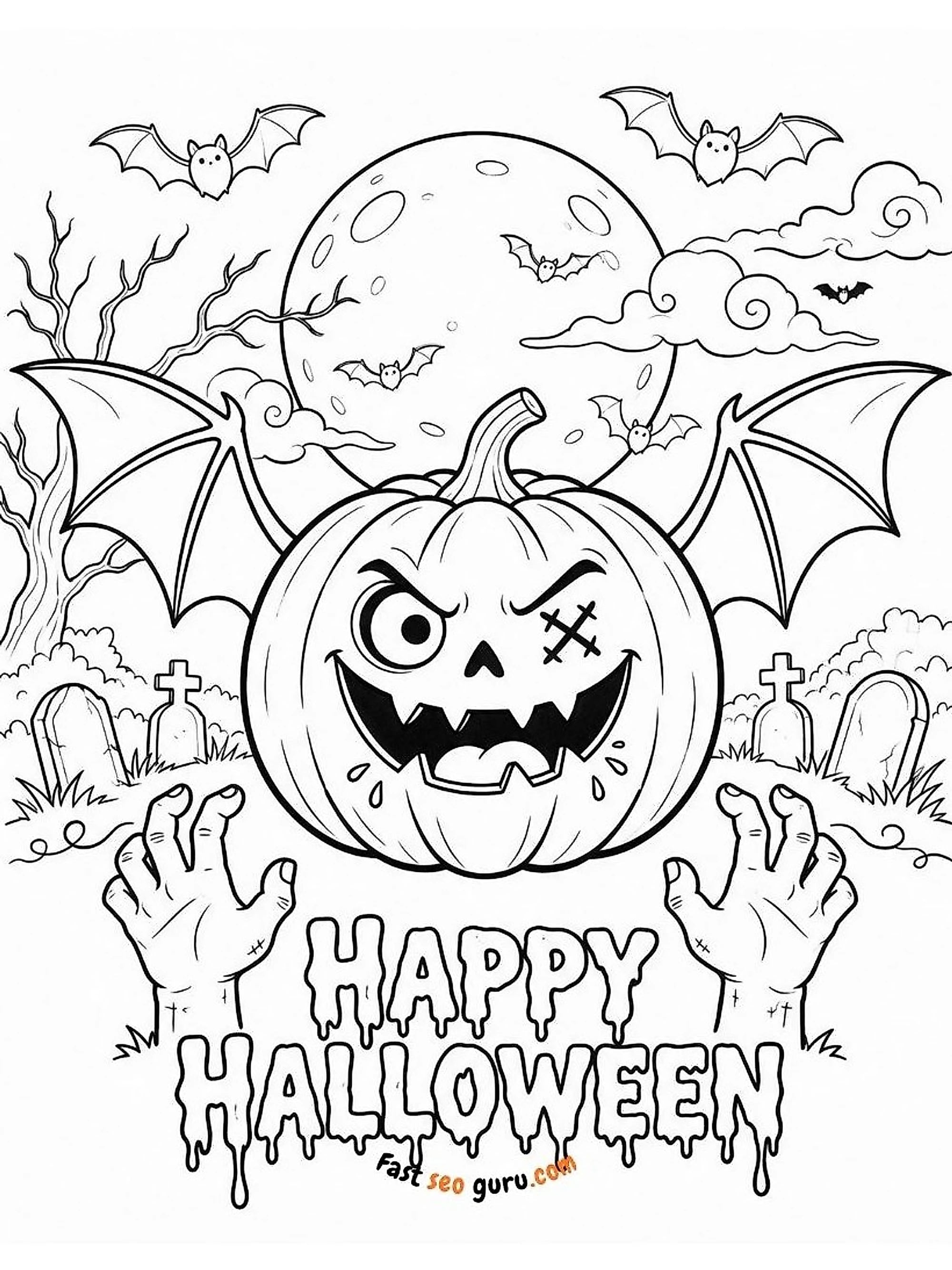
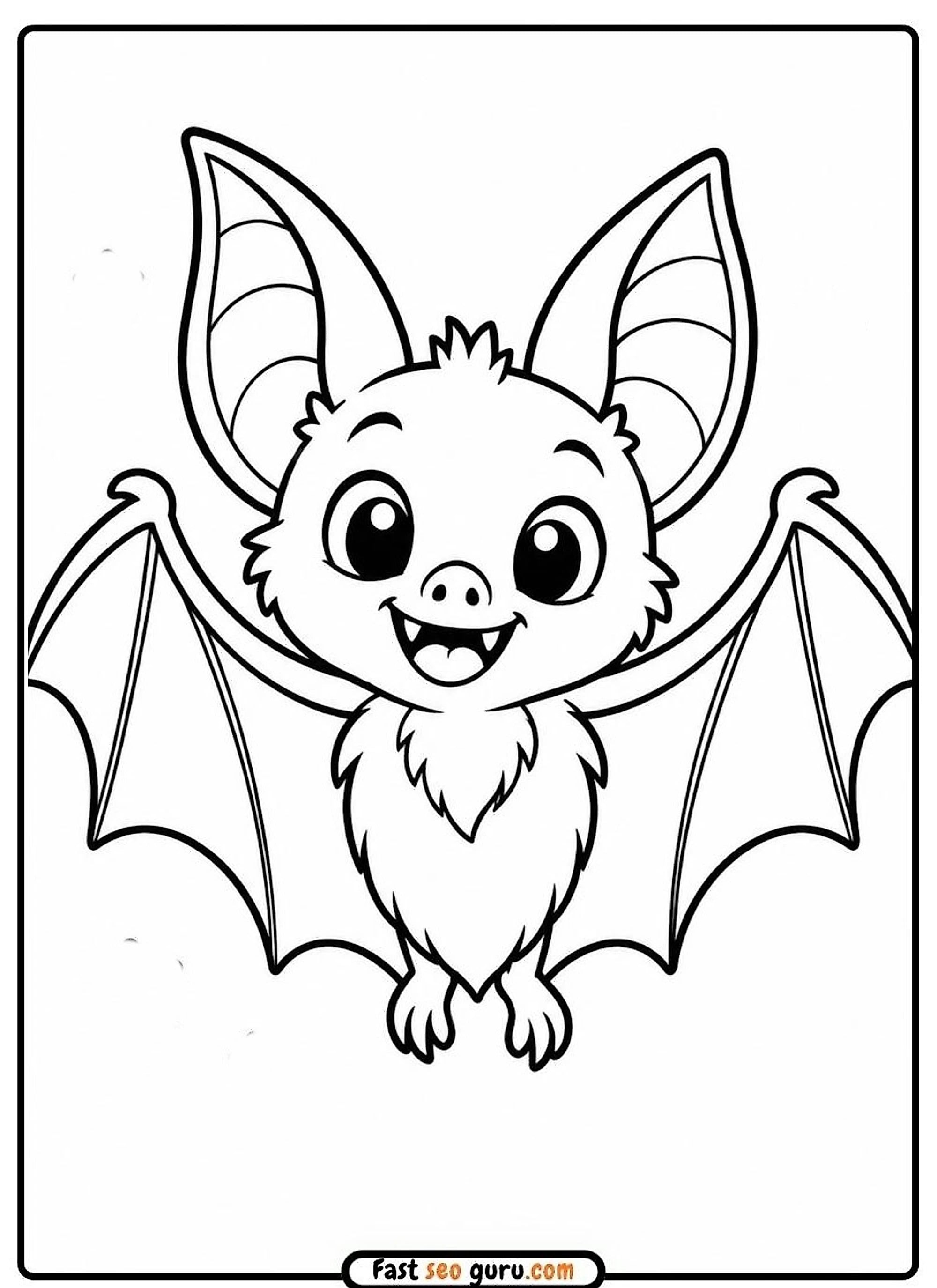
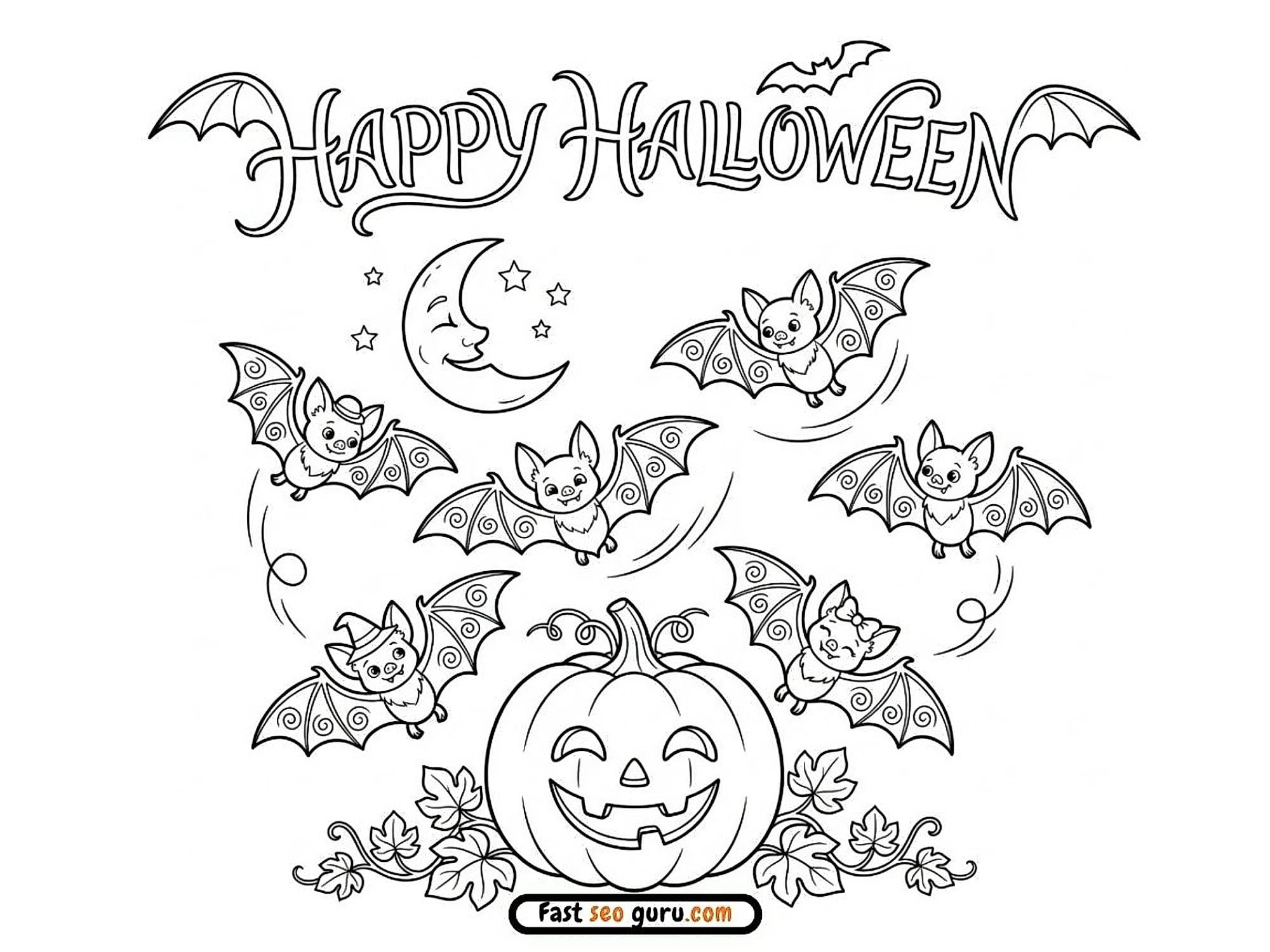
Few animals are as closely associated with Halloween as the bat. Their nocturnal lifestyle, silent flight, dark silhouettes against moonlit skies, and connection to vampire legends have made bats a central part of Halloween imagery for well over a century. Our bat coloring pages capture every side of this fascinating animal – from cute cartoon bats perfect as easy drawings to color for young children, to dramatic moonlit bat swarms for older kids who enjoy detailed Halloween colouring sheets.
Bats appear alongside pumpkins, ghosts, and witches on Halloween decorations worldwide, but the story of how these remarkable animals became part of the Halloween tradition is worth knowing – and makes these images to color even more meaningful for curious young learners.
The History of Bats and Halloween
Bats and the Celtic Festival of Samhain
The connection between bats and Halloween traces back to the ancient Celtic celebration of Samhain. During Samhain, the Celts wore costumes to ward off ghosts and lit enormous bonfires, which attracted moths and insects – and the insects in turn attracted bats. To people gathered around those fires in the dark, the silent, swooping shapes of bats overhead became part of the eerie atmosphere of the night. This ancient association between bats, fire, darkness, and the spirit world is likely where the Halloween bat tradition began.
Vampire Bats and the Legend of Dracula
There are three species of bat that feed primarily on blood – the so-called vampire bats – while the remaining approximately 1,300 species feed on insects, rodents, and nectar. When vampire bats were first observed lapping up the blood of cattle in Central and South America, they were quickly given the label of "vampires." This connection was made even stronger when Bram Stoker's 1897 novel Dracula depicted vampires shapeshifting into bats.
This literary link between bats and vampire legends cemented the bat as a Halloween symbol alongside Dracula, haunted houses, and ghosts – and it remains one of the most recognized Halloween images in the world today.
Bats in World Culture – Beyond Halloween
Not every culture associates bats with darkness and fear. In China, the word for bat sounds similar to the word for good fortune, and bats have long been considered symbols of happiness and luck in Chinese art and culture. The ancient civilization of Mesoamerica worshipped a bat god associated with corn and fertility. This global diversity of bat symbolism makes bat coloring pages a wonderful starting point for discussions about how different cultures see the same animal in completely different ways.
Amazing Bat Facts for Kids – Science Behind the Symbol
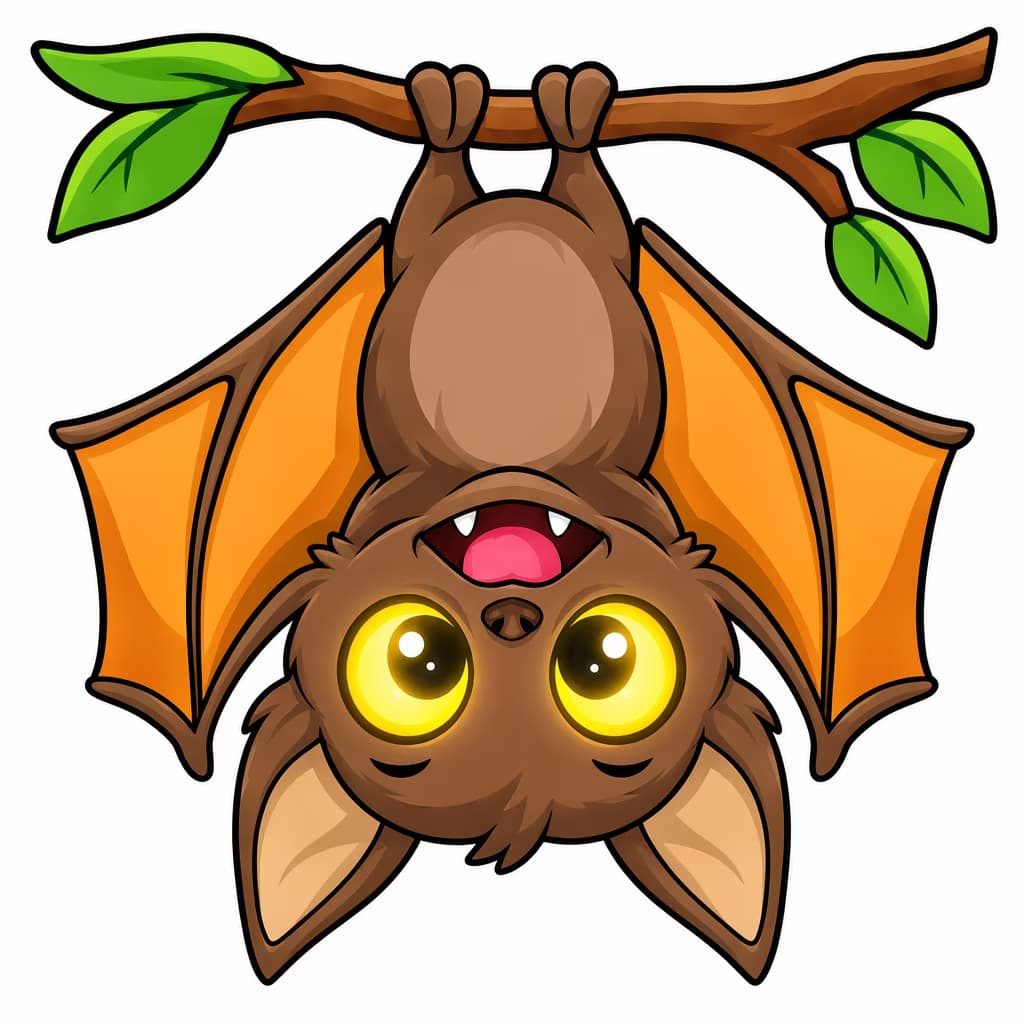
Bats are far more extraordinary in real life than even their Halloween reputation suggests. Bats are the only mammals capable of true flight – unlike flying squirrels, which only glide. They have wings made of a stretchy skin membrane that helps them fly fast and manoeuvre through the air. There are more than 1,400 species of bat found all over the world.
To find their way and catch prey in the dark, bats use echolocation – sending out high-pitched sounds that bounce off objects, helping them "see" what is around them. Bats are not blind, and use echolocation to navigate their environment. Some bat species can eat up to 1,200 mosquitoes in a single hour during their nightly hunts – making them one of nature's most effective natural pest controllers.
These remarkable scientific facts make bat coloring worksheets an ideal cross-curricular activity, combining Halloween fun with genuine science learning about animal biology, echolocation, and the natural world.
Bat Coloring Pages as a Learning Tool for Preschool and Toddlers
Bat images to color are among the most effective early learning tools in any Halloween coloring collection. The bold, simple wing shapes and round bodies of cartoon bat designs make them ideal easy coloring pages for toddlers and preschoolers who are still developing their fine motor skills and grip strength.
Parents and teachers can use bat colouring sheets as a starting point for simple science conversations – asking young children what bats eat, where they sleep, and why they only come out at night. These conversations turn a simple printable activity worksheet into a genuine early learning experience that builds vocabulary, curiosity, and scientific thinking alongside creativity and fine motor development.
October is also Bat Appreciation Month – making these bat learning worksheets particularly timely for classroom use throughout the month.
How to Use Bat Coloring Pages at Home and in the Classroom
At Home
Set up a Halloween coloring station with bat pages alongside dark-colored pencils and black or purple markers for dramatic nighttime effects. While children color their cute drawings to color, share simple bat facts – what echolocation is, how many insects a bat can eat in one night, and why bats sleep upside down. Completed bat pages make striking Halloween window decorations and work well displayed alongside and pages from this collection.
In the Classroom
Bat colouring sheets work excellently as Halloween party activity stations, early finisher tasks, and cross-curricular science and art lessons throughout October. Teachers can use bat coloring worksheets as a starting point for science discussions about echolocation, animal adaptations, and nocturnal animals. Older students can research the role of bats in local ecosystems, discuss the threat of white-nose syndrome to bat populations, or explore the cultural symbolism of bats across different world traditions. For preschool and toddler groups, simple bat outlines work beautifully as easy coloring pages paired with counting and color recognition activities.
Printing Tips for the Best Results
Print on white cardstock paper for the crispest lines and most satisfying colouring experience. Set your printer to Fit to Page and High Quality for the sharpest output. All pages fit both US Letter (8.5 x 11 in) and A4 paper – making them ideal colouring in pages for both home and classroom use.
Classic Halloween bat colors work beautifully – deep black or dark grey for the bat's body and wings, with a vivid orange moon and deep purple or midnight blue for the night sky. For cute cartoon bat drawings to color, younger children can experiment with any colors they like – a bright pink bat with rainbow wings makes for wonderfully creative Halloween artwork.
Short Fun Facts – Bats and Halloween 🦇🎃
Bats are the only mammals capable of true flight – making them one of the most unique animals on the planet and a natural subject for Halloween coloring worksheets and learning activities. Fun Kids
There are more than 1,400 species of bat found all over the world – making them the second most common group of mammals after rodents.
The Celts lit bonfires during Samhain which attracted insects – and the insects attracted bats, creating the earliest known connection between bats and what became Halloween.
Only three out of approximately 1,300 bat species feed on blood – the vast majority eat insects, fruit, and nectar, making them enormously beneficial to ecosystems worldwide.
Some bat species can eat up to 1,200 mosquitoes per hour during their nightly hunts – making bats one of nature's most effective natural pest controllers.
Bram Stoker's 1897 novel Dracula depicted vampires shapeshifting into bats, cementing the connection between bats and vampire legends that remains central to Halloween imagery today..
In Chinese culture, bats are considered symbols of good luck and happiness – the Chinese word for bat sounds similar to the word for good fortune.
October is Bat Appreciation Month – making bat coloring sheets and learning worksheets particularly relevant for classroom use throughout the Halloween season.
Why Kids Love Bat Coloring Pages
Bats are one of those rare Halloween subjects that work equally well as a spooky symbol and as a genuine science topic – and children respond to both. The bold, graphic wing shapes and distinctive silhouettes of cartoon bats make them some of the most satisfying and easy coloring pages for toddlers and preschoolers, while more detailed moonlit bat scenes offer a dramatic and atmospheric challenge for older children and adults. Coloring bat images to color builds fine motor skills, encourages creative color choices, and gives children a satisfying screen-free activity that connects naturally to both the fun of Halloween and the genuine wonder of the natural world. Bat colouring sheets also spark natural curiosity – prompting children to ask how echolocation works, why bats hang upside down, and how an animal that looks so spooky can actually be so helpful to nature.