Black Cats and Halloween – A Timeless Symbol
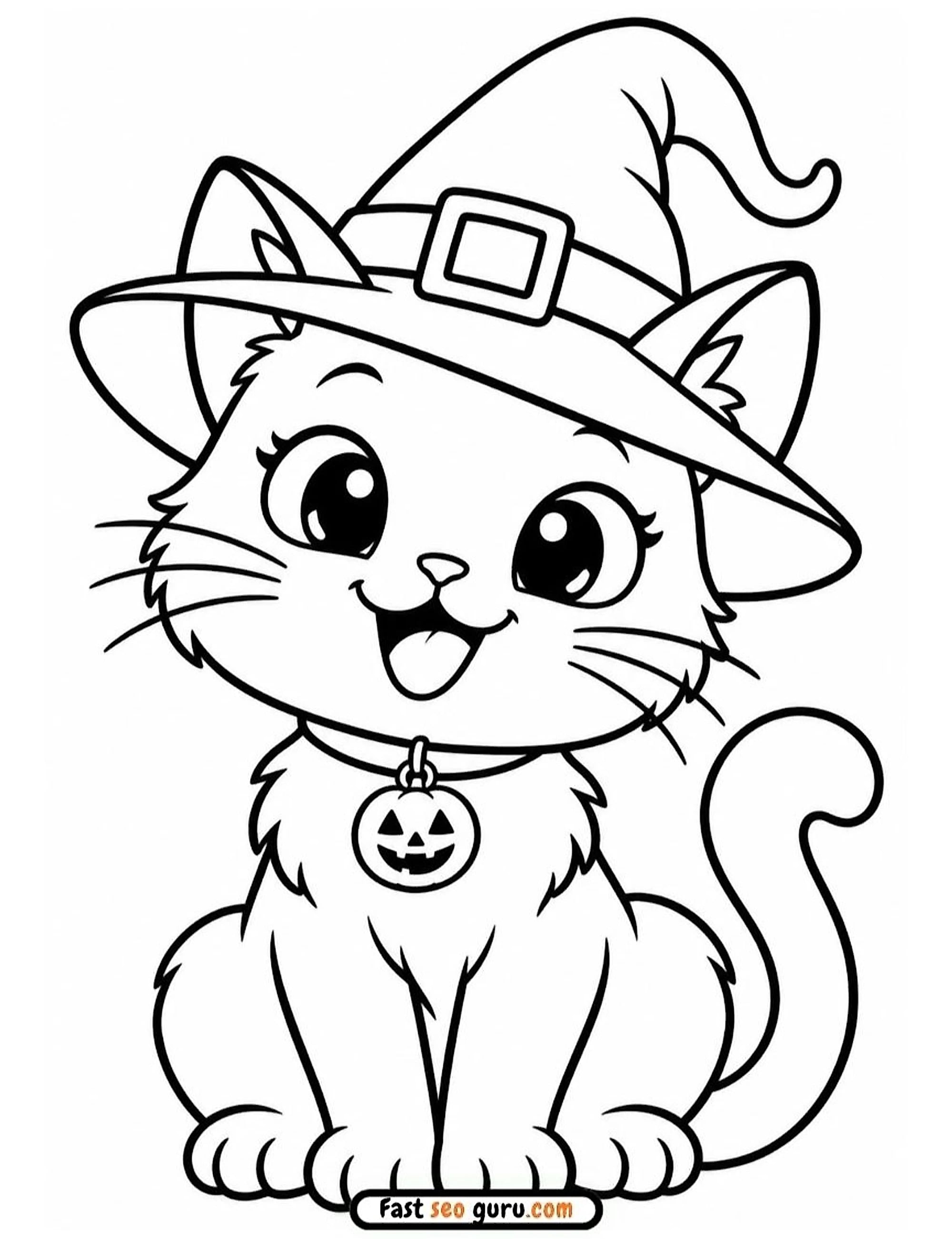
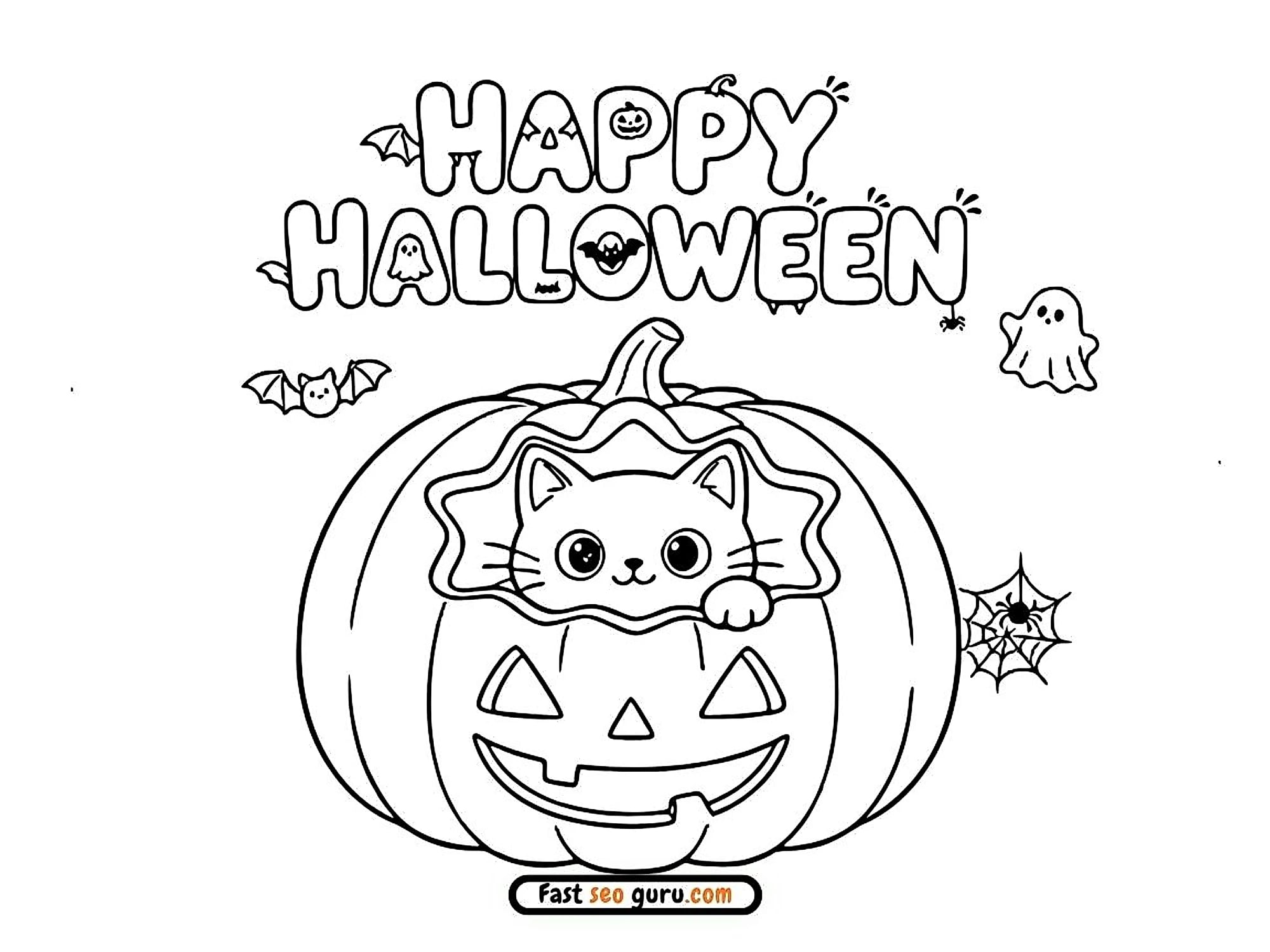
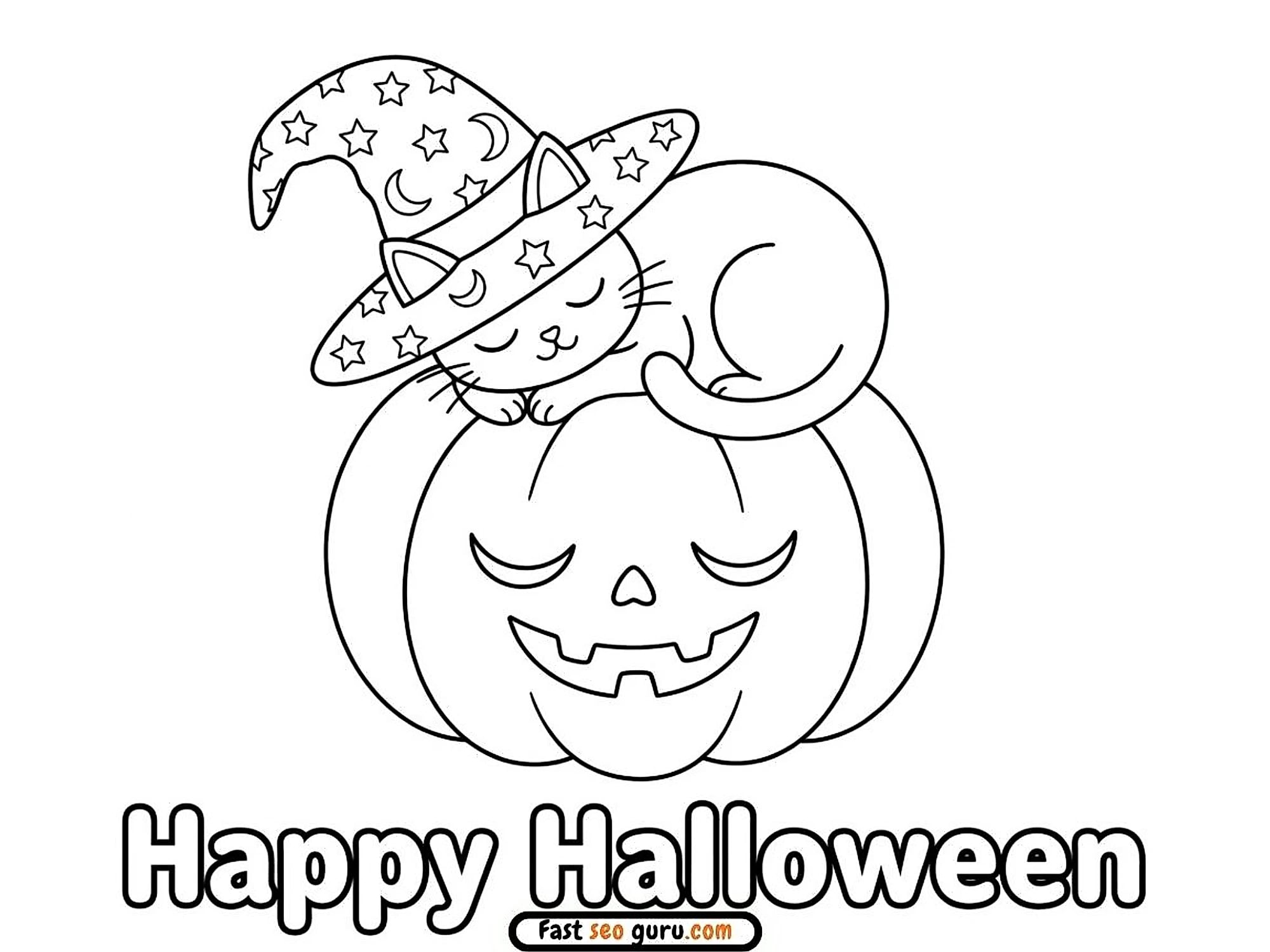
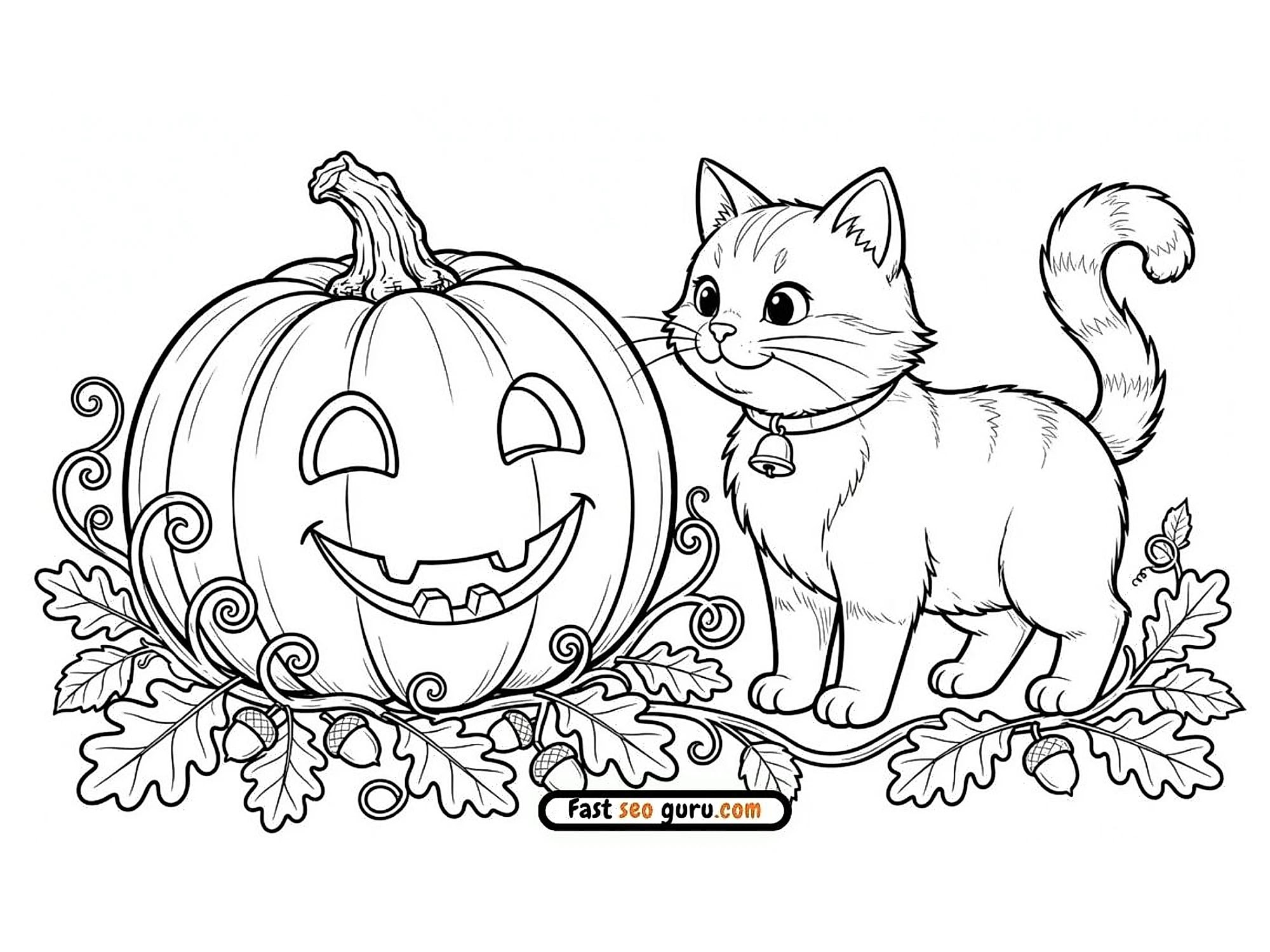
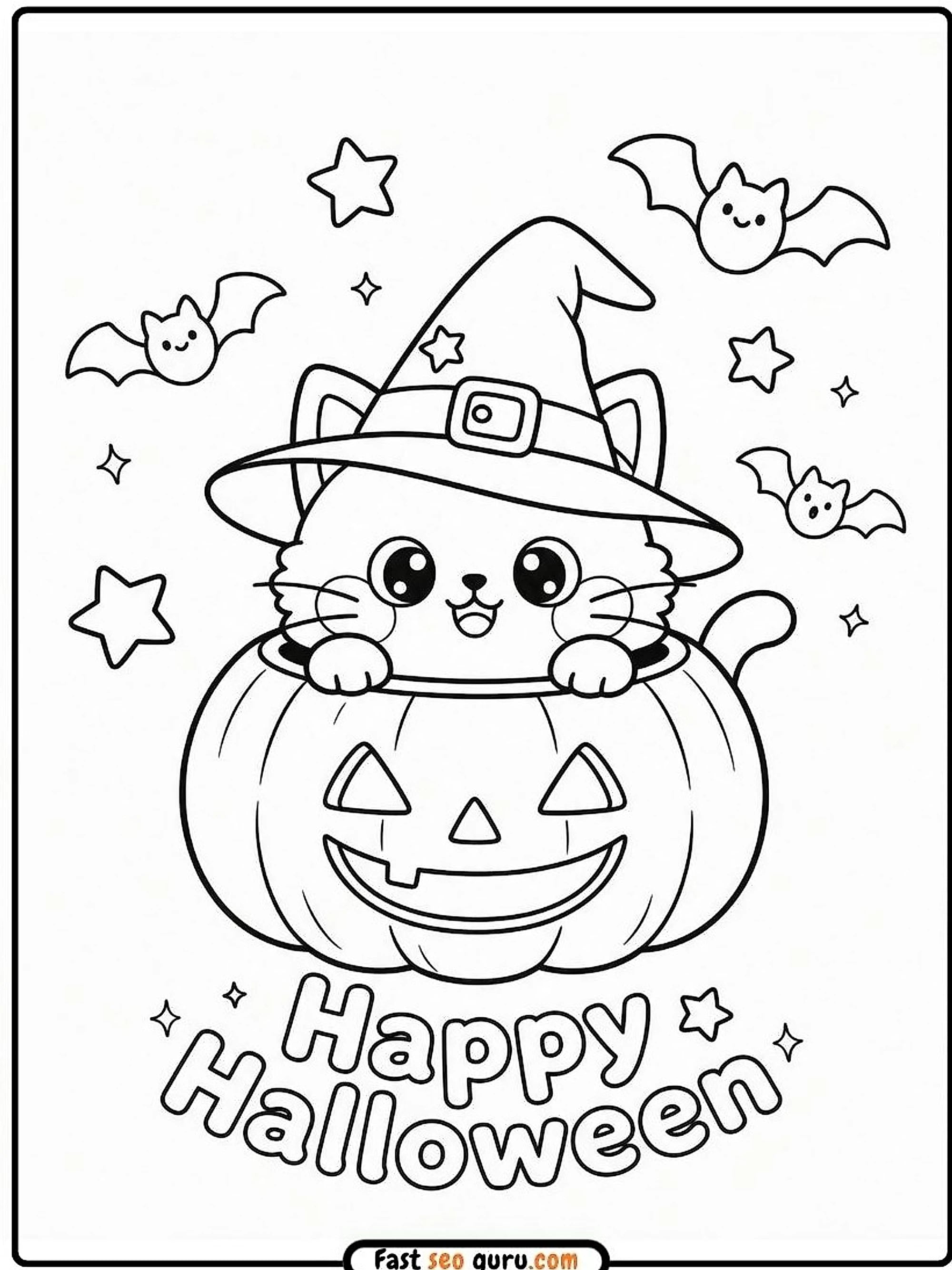
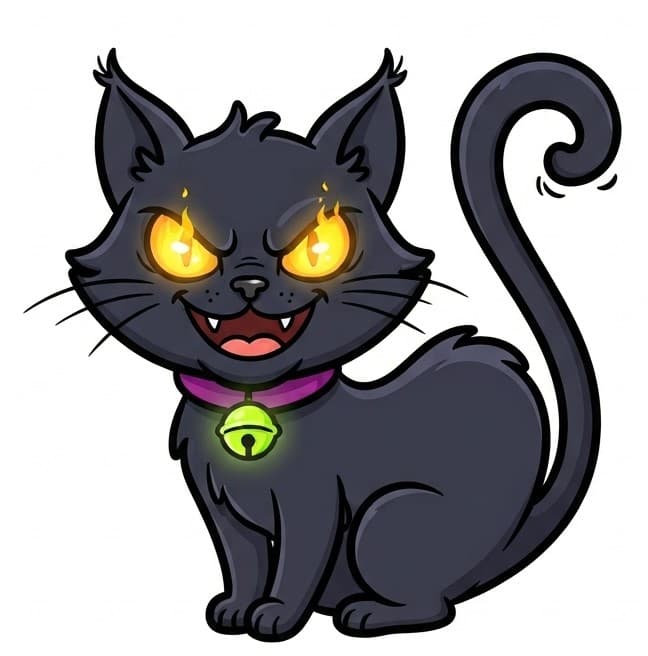
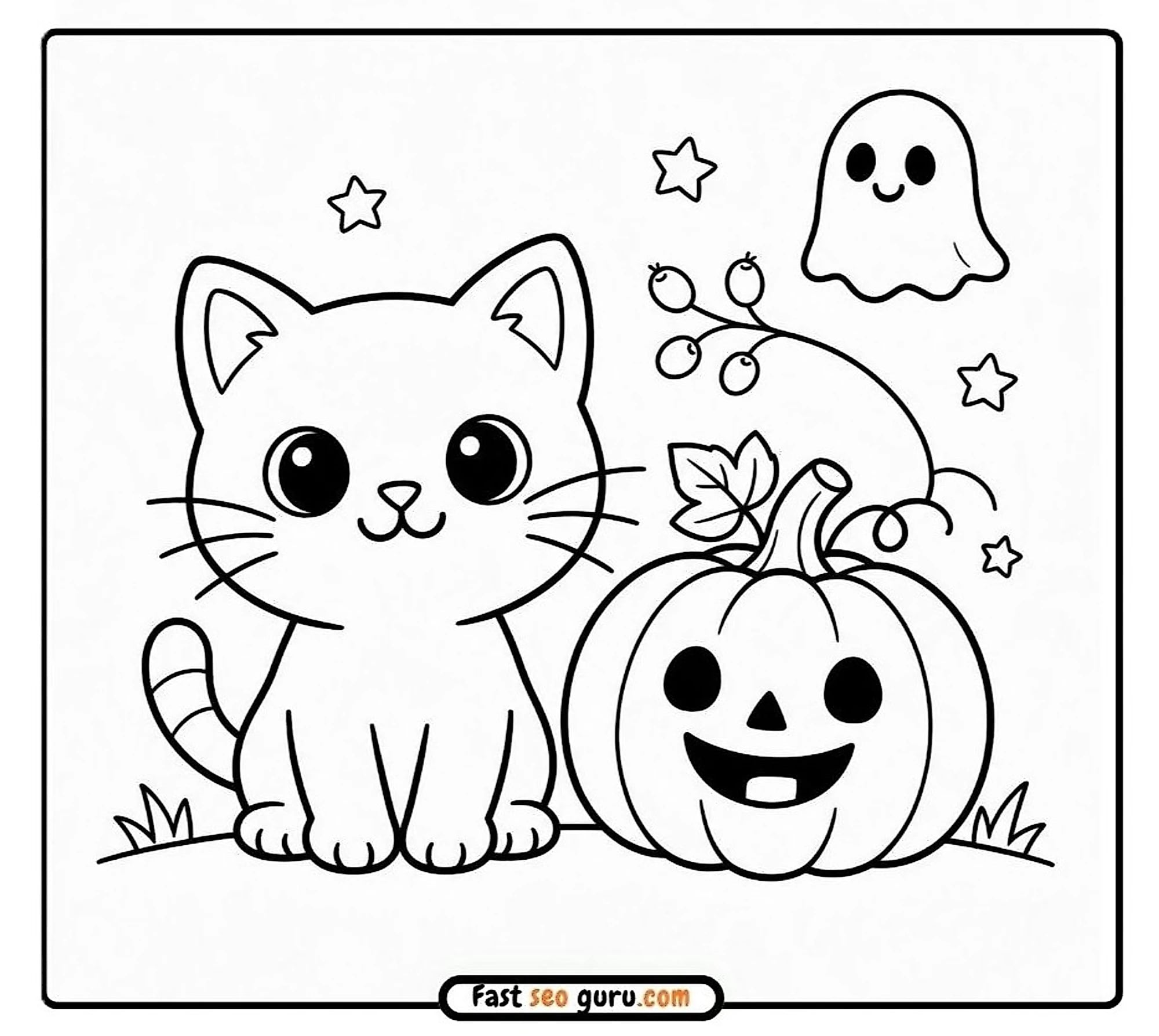
Few animals are as immediately associated with Halloween as the black cat. Their dark fur, glowing eyes, silent movement, and centuries-long connection to witchcraft and mystery have made them a central part of Halloween imagery worldwide. Our Halloween cat coloring pages capture every side of this fascinating symbol – from cute drawings to color for young toddlers featuring friendly cats perched on pumpkins, to dramatic moonlit Halloween scenes with black cats and witch silhouettes for older children who enjoy detailed colouring sheets.
The story of how the black cat became a Halloween symbol is one of the most genuinely fascinating in the entire history of the holiday – stretching from ancient Egypt through medieval Europe to the witch trials of colonial America and into the modern Halloween tradition we celebrate today.
The History of Black Cats and Halloween
Sacred Cats in Ancient Egypt and Greece
The story of the black cat as a Halloween symbol begins not with fear but with reverence. In ancient Egypt, cats of all colors were considered sacred animals, associated with the goddess Bastet – a deity of home, protection, and fertility often depicted with the head of a cat. Cats were mummified and honored after death, and harming a cat was considered a serious offense.
In ancient Greek mythology, the goddess Hecate – associated with magic, the moon, and witchcraft – was said to have a cat companion. This early connection between cats and the goddess of witchcraft planted a seed that would grow significantly over the following centuries.
Celtic Folklore and the Cat Sìth
The most direct connection between black cats and what became Halloween comes from the Celtic festival of Samhain. In Irish and Scottish folklore, a mythical creature called the Cat Sìth (pronounced "caught shee") – loosely translated as "fairy cat" – was said to roam the earth on Samhain night. Described as a large black cat with a single white spot on its chest, the Cat Sìth was believed to steal the souls of the recently dead before they could pass on.
Families left out saucers of milk on Samhain night to appease the Cat Sìth and protect their household. Those who did not leave out milk were said to be cursed. This ancient Celtic folk belief placed the black cat directly within the tradition that became modern Halloween.
: Medieval Europe and the Witch Connection
The black cat's reputation shifted dramatically during the Middle Ages in Europe. As Christianity spread and witch beliefs intensified, black cats became firmly associated with witchcraft. People believed that witches could shape-shift into black cats to roam freely and carry out their dark deeds. In the 1500s, this belief became widespread across Europe – witches were said to use black cats as "familiars," companion animals given to them by the devil to assist with their work.
This connection between black cats and witches was carried to North America by Puritan settlers and was firmly established in New England by the time of the Salem witch trials in 1692. The association between black cats, witches, and Halloween became deeply embedded in American popular culture and has remained a central part of Halloween imagery ever since.
From Bad Luck Symbol to Halloween Icon
By the early 20th century, as Halloween became a mainstream American celebration, the black cat had transformed from a genuinely feared omen into a beloved Halloween decoration. Black cat images appeared on Halloween greeting cards, costumes, and decorations alongside pumpkins and ghosts. Interestingly, by the early 1940s as trick-or-treating became popular, many people believed that a black cat near your house on Halloween night was actually there to protect your home from evil spirits – a complete reversal of the earlier bad luck superstition.
Today the Halloween black cat exists across the full range of holiday imagery – from genuinely spooky silhouettes against a full moon to cheerful, friendly cats sitting on pumpkins that make perfect easy coloring pages for toddlers and preschoolers.
Black Cats Around the World – Not Always Bad Luck
One of the most surprising facts about black cats is that the bad luck superstition is far from universal. In Great Britain and Japan, a black cat crossing your path is widely considered a sign of good fortune rather than bad luck. In Scotland, a black cat appearing on your doorstep is traditionally seen as a sign of coming prosperity.
This global diversity of black cat symbolism makes Halloween cat coloring pages a wonderful starting point for discussions about how different cultures interpret the same in completely different ways – turning a simple printable activity worksheet into a genuine cultural learning experience.
Halloween Cat Coloring Pages as Learning Worksheets for Preschool and Toddlers
Halloween cat images to color are among the most approachable and engaging early learning tools in any Halloween coloring collection. The familiar, rounded shape of a cartoon cat makes it an ideal easy coloring page for toddlers and preschoolers who are developing their fine motor skills and pencil grip.
Parents and teachers can use Halloween cat colouring sheets as a starting point for simple conversations about cats as animals – what they eat, where they sleep, and what sounds they make – alongside the Halloween theme. Pairing a simple black cat outline with a or witch hat element gives young children multiple areas to color and color-match, making these pages excellent early learning worksheets for color recognition and creative decision-making.
How to Use Halloween Cat Coloring Pages at Home and in the Classroom
At Home
Set up a Halloween coloring station with black cat pages alongside black, orange, and purple colored pencils for classic Halloween results. While children color their cute drawings to color, share simple age-appropriate facts about why black cats became part of Halloween and what the Cat Sìth legend says about cats on Halloween night. Completed Halloween cat pages make striking window decorations and work beautifully displayed alongside pumpkin and witch pages from this collection.
In the Classroom
Halloween cat colouring sheets work excellently as Halloween party activity stations, early finisher tasks, and cross-curricular art and history lessons throughout October. Teachers can use them as a starting point for discussions about animal symbolism in different cultures, the history of witch beliefs in medieval Europe, and why different countries have different superstitions about the same animal. For preschool and toddler groups, simple cat outlines with bold pumpkin elements make perfect easy coloring pages paired with color recognition activities and simple animal vocabulary building.
Printing Tips for the Best Results
Print on white cardstock paper for the crispest lines and most satisfying colouring experience. Set your printer to Fit to Page and High Quality for the sharpest output. All pages fit both US Letter (8.5 x 11 in) and A4 paper – making them ideal colouring in pages for home and classroom use worldwide.
Classic Halloween cat colors work beautifully – deep black for the cat, vivid orange for a pumpkin companion, and a deep purple or midnight blue night sky. For younger children using these as easy drawings to color, any colors they choose are perfectly valid – a striped orange cat or a rainbow-colored Halloween cat makes for wonderfully creative and unique Halloween artwork.
Short Fun Facts – Halloween Black Cats 🐈⬛🎃
In ancient Egypt, cats were considered sacred animals associated with the goddess Bastet – a deity of home and protection. Harming a cat was considered a serious offense.
In Celtic folklore, the Cat Sìth (pronounced "caught shee") was a mythical black cat believed to roam the earth on Samhain night and steal the souls of the recently dead.
During the Middle Ages, people believed witches could shape-shift into black cats to roam freely – a belief that crossed the Atlantic with Puritan settlers and shaped Halloween tradition in America.
The association between black cats and witches led to black cats being used as "familiars" in witch folklore – companion animals said to assist witches with their work.
In Great Britain and Japan, black cats are considered symbols of good luck rather than bad luck – a reminder that superstitions vary dramatically across cultures.
By the early 1940s, as trick-or-treating became popular across America, many people believed that a black cat near your home on Halloween night was protecting the house from evil spirits – a complete reversal of the earlier bad luck belief.
Studies have shown that black cats spend longer in shelters waiting to be adopted compared to cats of other colors – a modern legacy of centuries of superstition that animal welfare organizations actively work to counter.
Edgar Allan Poe's famous short story The Black Cat, published in 1843, helped cement the black cat as a symbol of mystery and the supernatural in American popular culture.
Why Kids Love Halloween Cat Coloring Pages
Black cats strike a perfect Halloween balance for children of all ages – spooky enough to feel exciting and , but familiar and friendly enough to be completely approachable on a coloring page. The combination of a classic black cat silhouette with Halloween companions like pumpkins, witch hats, and moonlit backgrounds gives children a rich set of creative choices, and the range of styles from simple cartoon cat to detailed atmospheric Halloween scene means there is a coloring page suited to every age and skill level. Coloring Halloween cat images to color builds fine motor skills, encourages creative color choices, and gives children a satisfying screen-free activity that connects naturally to some of the most fascinating folklore and history in the entire Halloween tradition. Halloween cat pages also spark natural curiosity – prompting children to ask why black cats are considered lucky in some countries and unlucky in others, and what the ancient Celts believed about cats on Halloween night.