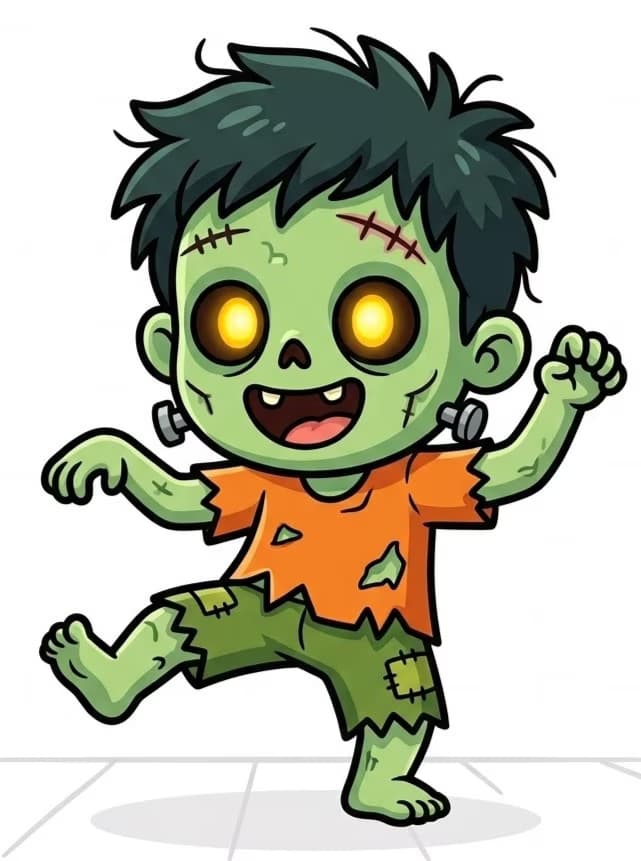
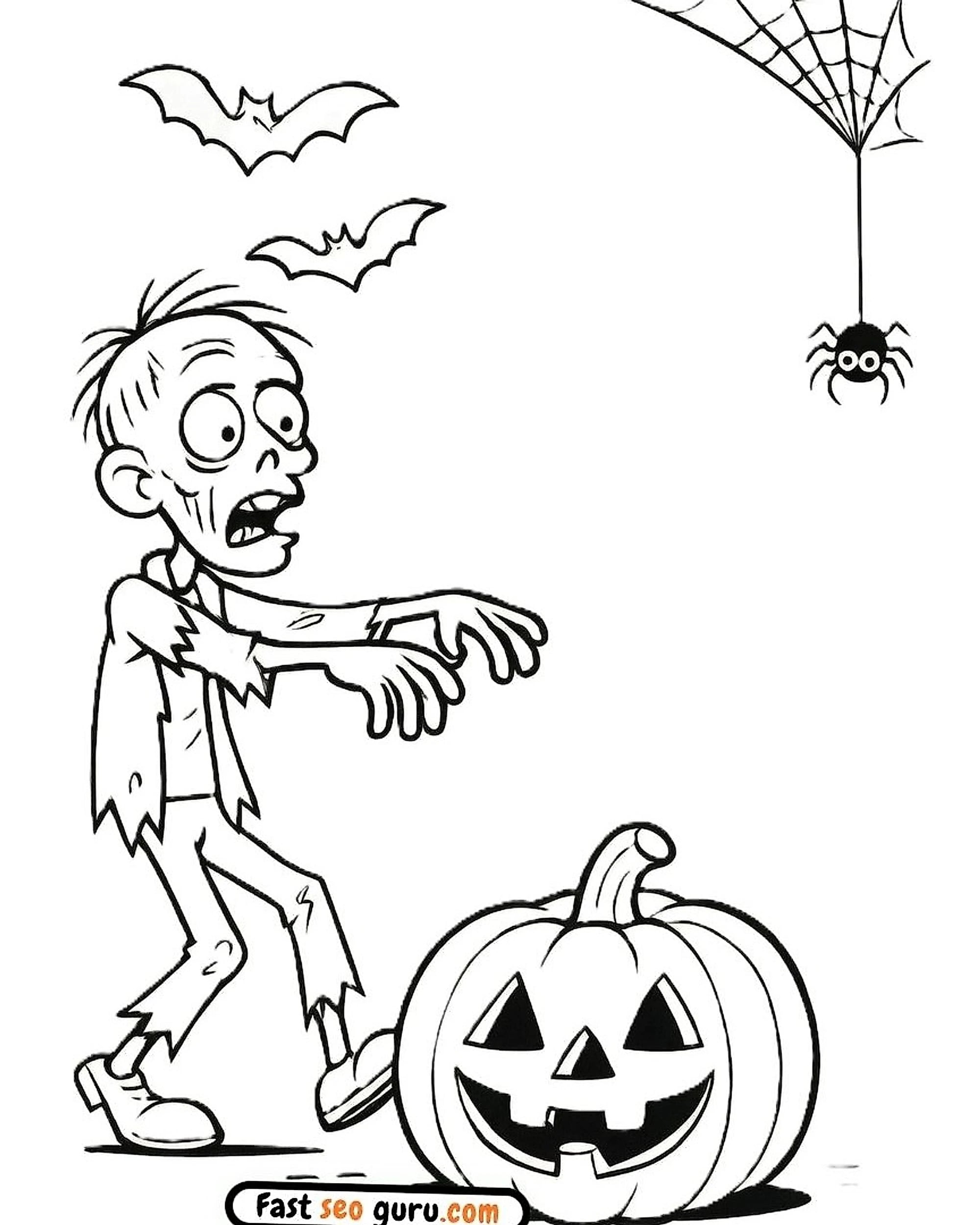
Our Coloring Pages collection brings together free, printable zombie designs for children of all ages. From fun, -style zombies for younger children to dramatic graveyard and night scenes for older kids and adults, every page is free to download and print at home or in the classroom. Zombies are one of Halloween's most popular and creatively exciting characters, with a fascinating history rooted in Caribbean folklore and brought to life through decades of film, television, and popular culture.
0 Topics1 Coloring Pages
🖍️ Zombie Coloring Pages
Sort by:
Advertisement (Header)
Advertisement (Row 1)
You've viewed all 1 coloring pages!
Zombies and – A Modern Classic
Few Halloween characters have grown in popularity as dramatically as the over the past few decades. From graveyard decorations and Halloween costumes to coloring pages and popular culture, the zombie has become one of the defining images of the modern Halloween season. Unlike older Halloween symbols such as witches and ghosts, which trace their roots back through many centuries, the zombie as we know it today is a relatively recent addition to Halloween culture – with a rich and genuinely interesting history that stretches from West African folklore to the golden age of horror cinema.
Zombie coloring pages give children a wonderfully dramatic and creative subject. Fun zombies are completely approachable for younger children, while more detailed graveyard and Halloween night scenes offer a satisfying challenge for older kids who enjoy atmospheric Halloween artwork.
The History of Zombies
Roots in West African and Haitian Folklore
The zombie has its deepest roots in West African spiritual traditions and the Haitian Vodou religion. Zombie folklore has been around for centuries in Haiti, possibly originating in the 17th century when West African enslaved people were brought to work on Haiti's sugar cane plantations. In Haitian Creole, the word zonbi means "spirit of the dead."
In Haitian Vodou belief, a zombie is a person revived from the dead by a powerful spiritual practitioner known as a bokor. Unlike the flesh-eating monster of modern horror films, the original Haitian zombie was a figure without free will – a person believed to have been brought back from death and forced to work under another person's control. Many scholars have noted that this image powerfully reflected the lived experience of enslaved people who had been robbed of their freedom and autonomy.
In 1872, the zombie was defined in the United States as "a phantom or ghost, often heard about in the southern states." Author Zora Neale Hurston later researched Haitian customs and defined a zombie in her 1938 book Tell My Horse as "the living dead, people who are resurrected but without their souls."
From Folklore to Film – How the Modern Zombie Was Born
The first full-length zombie film was White Zombie, released in 1932, which depicted a woman being turned into a zombie by an evil voodoo priest. This early film drew directly from Haitian folklore rather than the horror conventions we associate with zombies today.
The modern zombie – the flesh-eating, virus-spreading, shambling undead monster – was largely created by American filmmaker George A. Romero in his 1968 film Night of the Living Dead. Romero's zombies were driven by an overwhelming hunger for human flesh, could only be stopped by destroying the brain, and spread their condition through biting. This film fundamentally changed how zombies were portrayed in popular culture and established the template that countless books, films, and television shows have followed ever since.
Zombies in Modern Popular Culture
By the early 21st century, zombies had become one of the most prominent monsters in popular culture worldwide. Television series, video games, novels, and films brought zombies to enormous global audiences – and with them came a wave of zombie Halloween costumes, decorations, and coloring pages that made the zombie a mainstream Halloween character alongside vampires, witches, and ghosts.
Today the zombie exists across the full range of Halloween imagery – from genuinely dramatic and spooky graveyard scenes to playful, cartoon-style undead characters that younger children find more funny than frightening.
The Real Zombie Fungus – A Fact Stranger Than Fiction
One of the most fascinating zombie-related facts has nothing to do with horror films or folklore. The Ophiocordyceps unilateralis fungus is a real parasite that infects ants and takes control of their bodies. It forces them to leave their nest, climb to a specific humid location, and attach themselves to a leaf or branch. The fungus then grows through the ant's body, eventually killing it and releasing spores to infect new victims.
Scientists have described this fungus as a real-life zombie maker – a genuinely mind-controlling parasite that hijacks the behavior of another creature for its own survival. This extraordinary natural fact makes zombie coloring pages a wonderful starting point for conversations about nature, biology, and the surprising ways that science and horror fiction can overlap.
What Makes Zombie Coloring Pages Special
Zombie coloring pages offer children one of the most dramatically creative subjects in the entire Halloween collection. The classic zombie visual – torn clothing, grey-green skin, dramatic expressions, graveyard settings – combines elements from multiple Halloween themes and gives children a rich set of creative choices.
Younger children enjoy the bold, simple shapes of cartoon zombie designs, while older children can tackle more detailed graveyard and night scenes with crumbling headstones, twisted trees, moonlit skies, and elaborate zombie character details. The theatrical quality of zombie imagery also makes completed pages some of the most visually striking Halloween display materials in the collection.
How to Use Zombie Coloring Pages at Home and in the Classroom
At Home
Set up a Halloween coloring station with zombie pages alongside grey, green, and dark-colored pencils for dramatic effect. While children color, share simple age-appropriate facts about where the zombie legend comes from – including the genuinely astonishing real-life zombie fungus that controls ants. Completed zombie pages make striking Halloween decorations and work well displayed alongside graveyard and skeleton pages from this collection.
In the Classroom
Zombie coloring pages work well as Halloween party activity stations and early finisher tasks throughout October. Teachers can use them as starting points for creative writing – asking students to describe their zombie character, write a story about a friendly zombie who just wants to make friends on Halloween night, or imagine what a world populated by zombies would look like. Older students can explore the history of zombie folklore in Haiti and West Africa, discuss how the zombie character has changed from its folkloric origins to modern popular culture, or connect the real zombie fungus to biology lessons about parasites and animal behavior.
Printing Tips for the Best Results
Print on white cardstock paper for the crispest lines and most dramatic coloring results. Set your printer to Fit to Page and High Quality for the sharpest output. All pages fit both US Letter (8.5 x 11 in) and A4 paper.
Classic zombie colors work beautifully – grey-green or pale blue for the skin, torn and faded clothing in earthy browns and greys, and dark red for dramatic Halloween accents. Add deep blues and purples for a moonlit graveyard sky and dark green for overgrown grass and crumbling headstones. For a more playful approach, younger children can color their zombie in any bright colors they like – a rainbow zombie in a graveyard is just as valid and creative a choice.
Short Fun Facts – Zombies and Halloween 🧟🎃
The word zombie comes from the Haitian Creole word zonbi, meaning "spirit of the dead," with roots in West African spiritual traditions brought to Haiti by enslaved people in the 17th century.
In original Haitian Vodou folklore, a zombie was not a flesh-eating monster but a person believed to have been revived from the dead and stripped of free will by a powerful spiritual practitioner called a bokor.
The modern zombie as we know it today – flesh-eating, virus-spreading, and stopped only by destroying the brain – was largely created by American filmmaker George A. Romero in his 1968 film Night of the Living Dead.
The first full-length zombie film was White Zombie, released in 1932, which drew directly from Haitian Vodou folklore rather than the horror conventions we associate with zombies today.
There is a real zombie fungus – the Ophiocordyceps unilateralis parasite infects ants, takes control of their bodies, forces them to climb to a specific location, and then kills them to spread its spores.
Author Zora Neale Hurston defined a zombie in her 1938 book Tell My Horse as "the living dead, people who are resurrected but without their souls."
In 1872, the zombie was defined in the United States as "a phantom or ghost, often heard about in the southern states" – more than 90 years before George Romero's film created the modern flesh-eating zombie.
Zombies have become one of the most popular Halloween costume choices for children and adults worldwide, largely driven by the massive global popularity of zombie films and television series in the early 21st century.
Why Kids Love Zombie Coloring Pages
Zombies strike a perfect Halloween balance for older children – dramatic, slightly spooky, and connected to some of the most exciting stories in modern popular culture, but approachable enough in cartoon form to be completely fun rather than frightening. The combination of torn clothing, dramatic expressions, and graveyard settings gives children a rich set of creative choices, and the range of styles from playful cartoon zombie to detailed atmospheric scene means there is a zombie coloring page suited to every age and skill level. Coloring zombie pages builds fine motor skills, encourages bold and creative color choices, and gives children a satisfying screen-free activity connected to a genuinely fascinating slice of folklore and film history. Zombie pages also spark natural curiosity – prompting children to ask where the zombie legend really comes from, what the real zombie fungus is, and how a character from Caribbean folklore became one of Halloween's most recognizable modern monsters.
Frequently Asked Questions
Are these zombie coloring pages free to print?
Yes, every page in this collection is completely free to download and print. No account or payment is required.
What paper size do these pages fit?
All pages fit both US Letter (8.5 x 11 in) and A4 paper perfectly.
What age group are zombie coloring pages best for?
Fun cartoonzombie designs work well for children aged 5 and up, while more detailed graveyard and atmospheric Halloween scenes are best suited to children aged 8 and up and older children and adults who enjoy detailed Halloween coloring.
Where did zombies come from?
The zombie has its deepest roots in West African spiritual traditions and Haitian Vodou folklore, where a zombie was believed to be a person revived from death and stripped of free will by a powerful spiritual practitioner. The modern flesh-eating zombie of popular culture was largely created by American filmmaker George A. Romero in his 1968 film Night of the Living Dead.
Are zombies real?
The flesh-eating zombies of Halloween and horror films are fictional. However, there is a real zombie fungus – Ophiocordyceps unilateralis – that infects ants, takes control of their bodies, and forces them to behave in ways that help the fungus spread. Scientists describe it as a genuine natural mind-control parasite.
What colors should my child use for a zombie coloring page?
Classic zombie colors include grey-green or pale blue for the skin, torn and faded clothing in earthy browns and greys, and dark red for dramatic Halloween accents. Add deep blue and purple for a moonlit graveyard sky. For younger children, any bright colors they choose make for wonderfully creative Halloween artwork.
Why are zombies associated with Halloween?
Zombies became part of mainstream culture through the enormous global popularity of horror films and television series in the 20th and 21st centuries. While older than many people realize – with roots in Caribbean folklore stretching back centuries – the zombie became a Halloween costume and decoration staple largely through popular culture rather than ancient tradition.
Can I use these pages in my classroom?
es. All pages are free to print for personal and classroom use, making them ideal for parties, creative writing lessons, biology discussions about the real fungus, and October activity stations.