Pumpkins and Halloween – A Natural Partnership
Few images capture the spirit of Halloween and autumn quite as completely as a carved pumpkin glowing in the dark. Pumpkins are harvested in October across North America and much of Europe, which makes them a natural symbol of the season. Their round shape, warm orange color, and association with harvest time have made them a central part of autumn celebrations for well over a century.
Today, carved pumpkins appear on front doorsteps, in classroom windows, and across Halloween decorations worldwide. But the story of how a simple vegetable became one of the most iconic symbols of the season is more interesting than most people realize.
The History of the Jack-o'-Lantern
The jack-o'-lantern tradition did not begin with pumpkins. In the 1600s, British and Irish farmers carved faces into turnips, beets, and potatoes and illuminated them with candles or embers to ward off evil spirits. They placed them in windows and front doors in the fall, particularly around Halloween
It was not until Irish immigrants arrived in America and discovered the pumpkin that a new Halloween ritual was born. They discovered that pumpkins, not indigenous to Ireland but common in North America, were much better suited to carving than turnips or potatoes. As more Americans began to celebrate Halloween, the jack-o'-lantern emerged as its most iconic image
The name jack-o'-lantern itself has fascinating origins. The term was originally used to describe the visual phenomenon known as a will-o'-the-wisp in English folklore – strange lights flickering over peat bogs. It is also suggested that the name has ties to the Irish legend of Stingy Jack, a trickster who, after deceiving people throughout his life, is doomed to roam the Earth with only a hollowed turnip to light his way
From Turnips to Pumpkins – How the Tradition Crossed the Atlantic
The journey of the jack-o'-lantern from Ireland to North America is a story of immigration and adaptation. On All Hallows Eve, the Irish traditionally hollowed out turnips, rutabagas, gourds, potatoes, and beets, then placed a light in them to ward off evil spirits.
When large waves of Irish immigrants arrived in North America during the 19th century, particularly around the time of the Great Famine in the 1840s, they brought this tradition with them. The Irish immigrants quickly discovered that pumpkins were big and easy to carve, and so they used them for jack-o'-lanterns. The pumpkin jack-o'-lantern gradually became a defining image of North American Halloween celebrations and eventually spread back across the .
Pumpkins Beyond Halloween
While pumpkins are most strongly associated with Halloween, they are also a significant part of autumn culture more broadly. Pumpkins are edible, nutritious, and versatile – used in soups, breads, pies, and a wide range of recipes. Many Americans include pumpkin pie in their meals, making the pumpkin a symbol of both Halloween and the wider autumn harvest season.
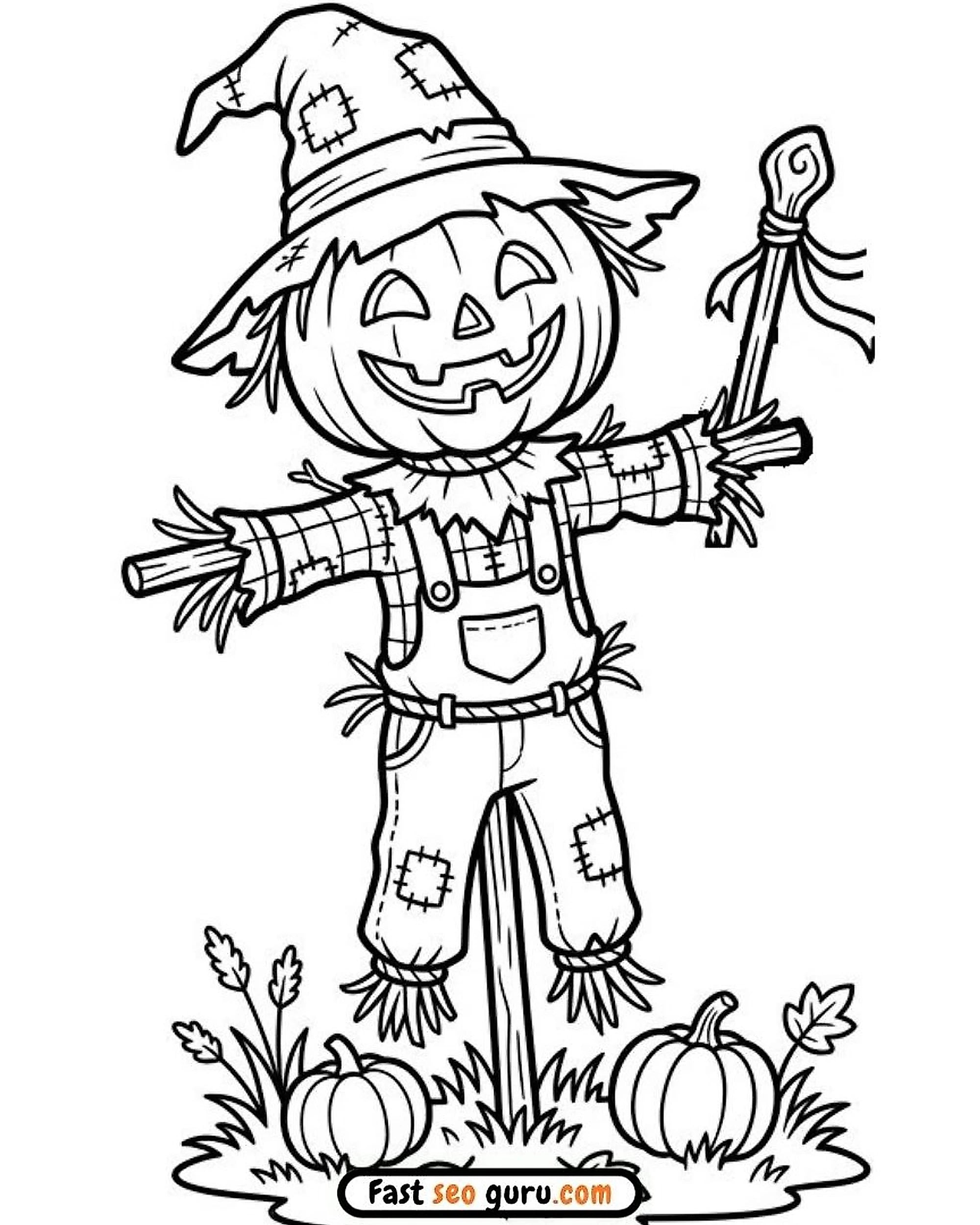
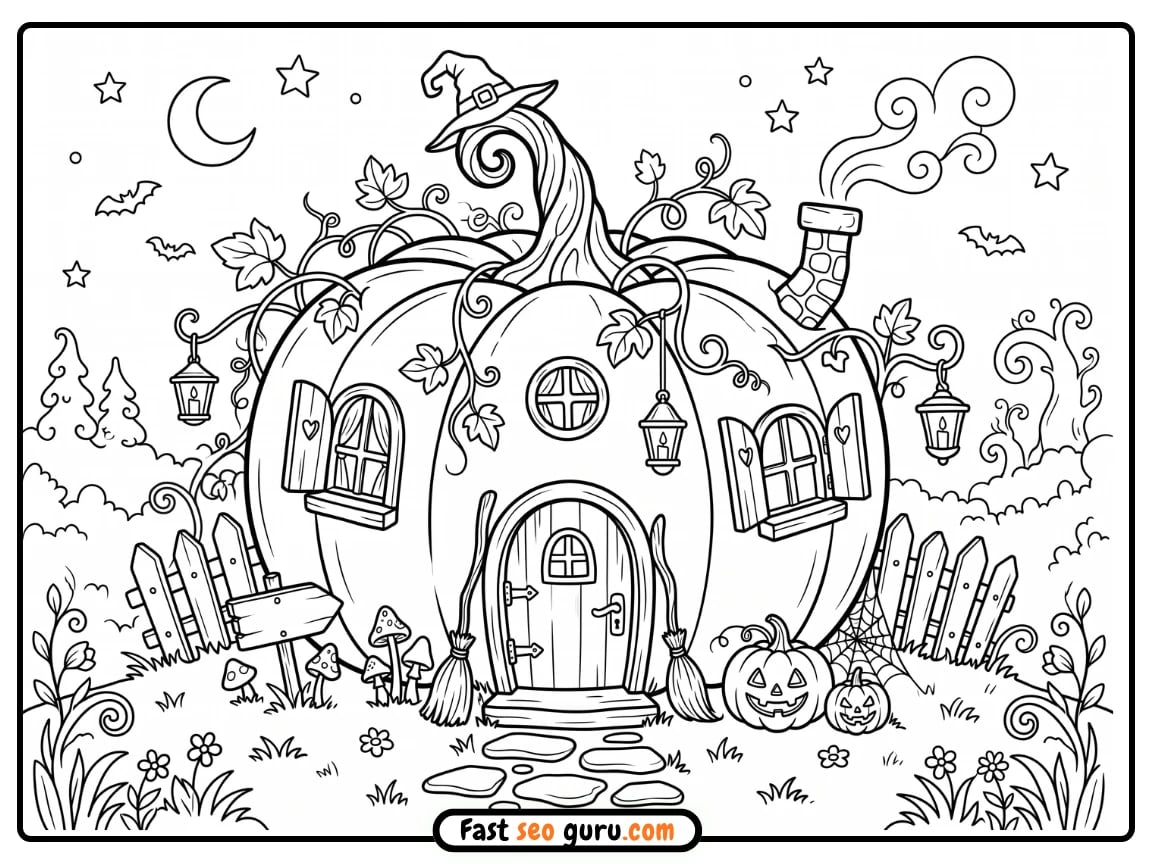
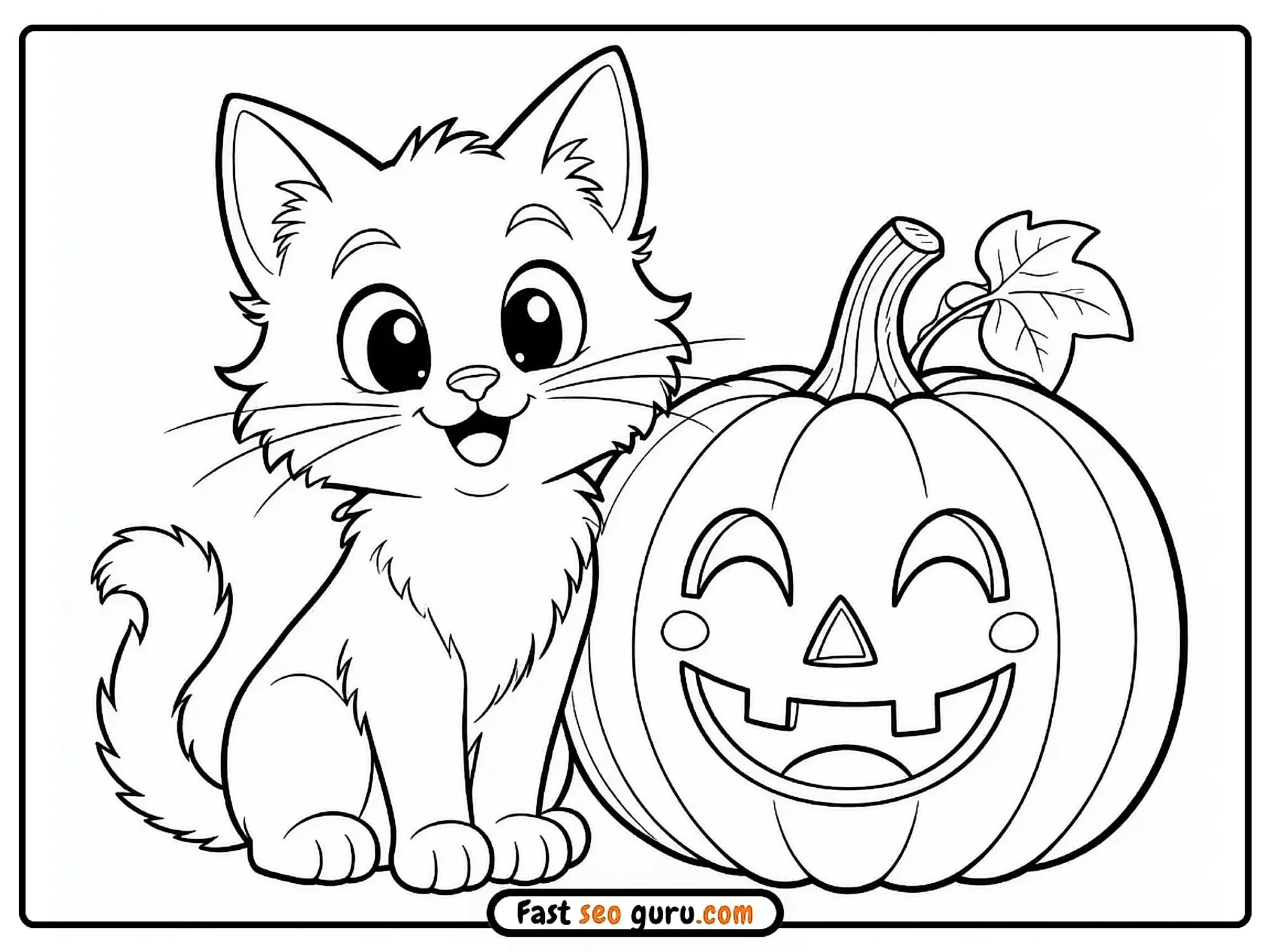
This dual role makes pumpkin coloring pages useful well beyond October 31st. Teachers and parents can use pumpkin designs as autumn activity sheets throughout September, October, and November – connecting the images to lessons about seasons, harvests, and nature.
How to Use Pumpkin Coloring Pages at Home and in the Classroom
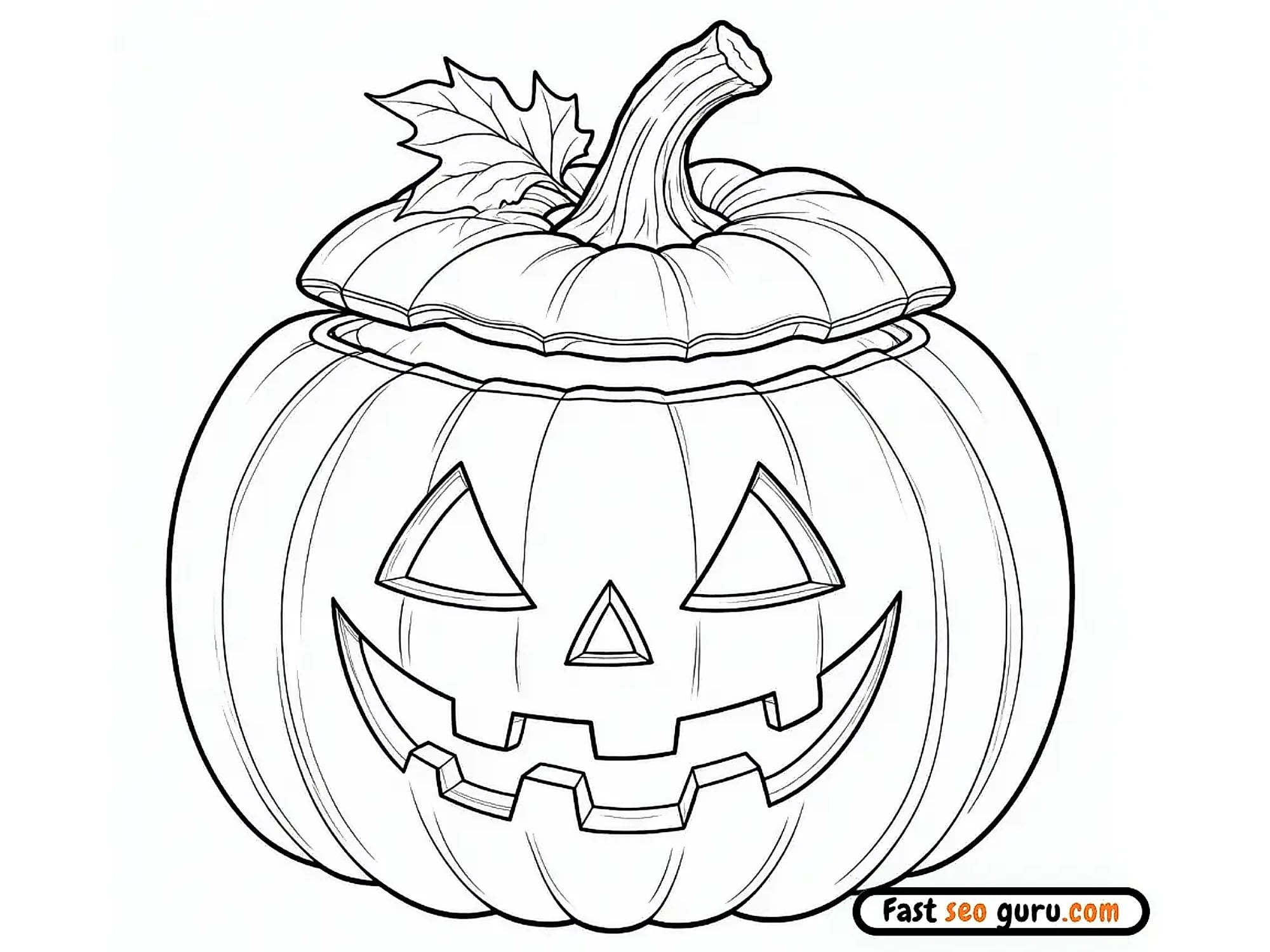
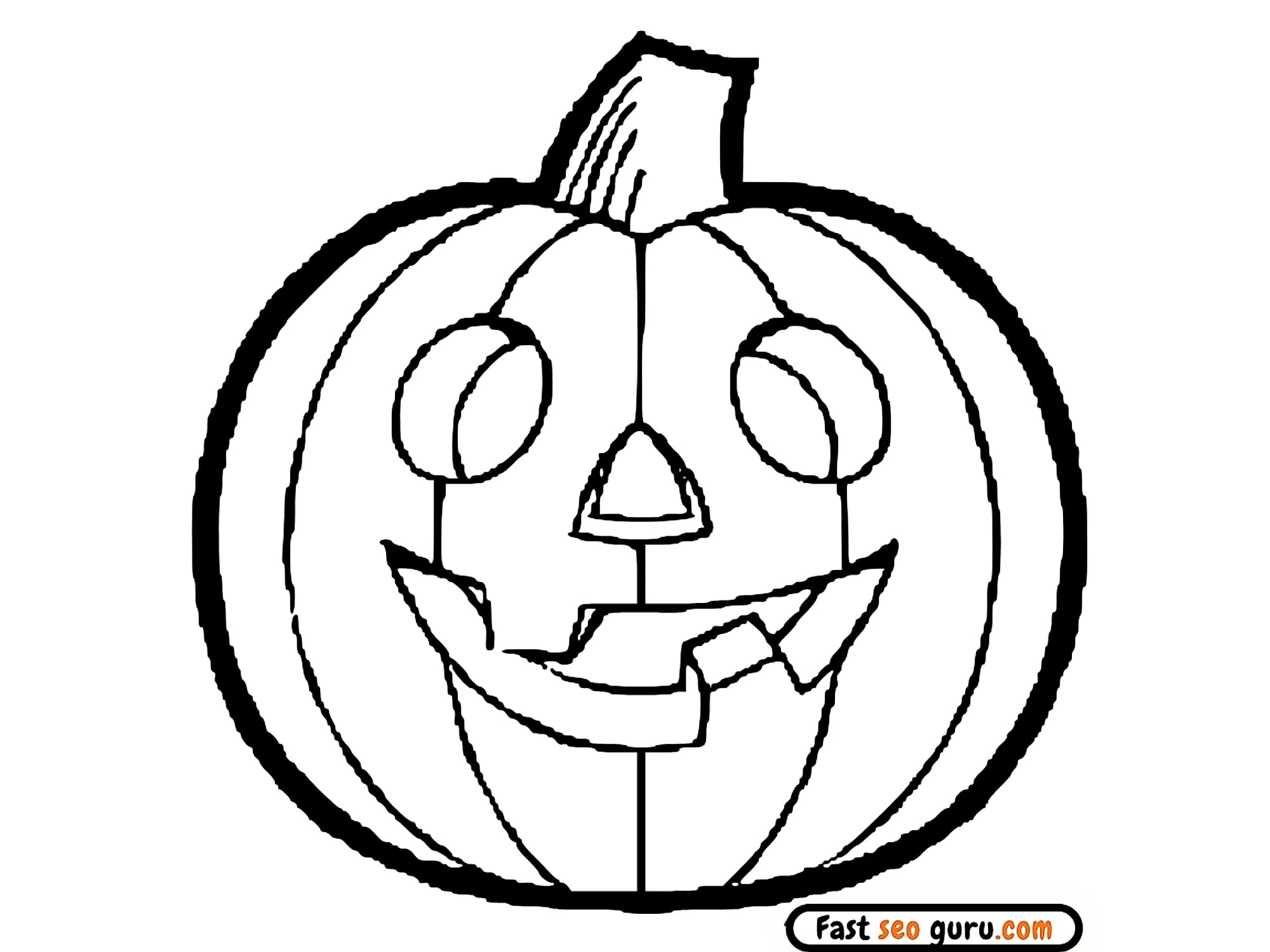
Pumpkin coloring pages work beautifully in a wide range of settings. At home, they make a calm and focused activity during the weeks leading up to Halloween, giving children a creative outlet alongside the excitement of the season. Parents can pair the activity with simple conversations about what jack-o'-lanterns are, where the tradition comes from, and why pumpkins are harvested in autumn.
In the classroom, pumpkin pages work well as an activity station during Halloween parties, as an early finisher task throughout October, or as a starting point for creative writing. Teachers can ask children to give their pumpkin a name, write a story about where it came from, or describe what expression they would carve and why.
Pumpkin coloring pages also make excellent seasonal classroom display materials when completed and cut out for window or wall decoration.
Printing Tips for the Best Results
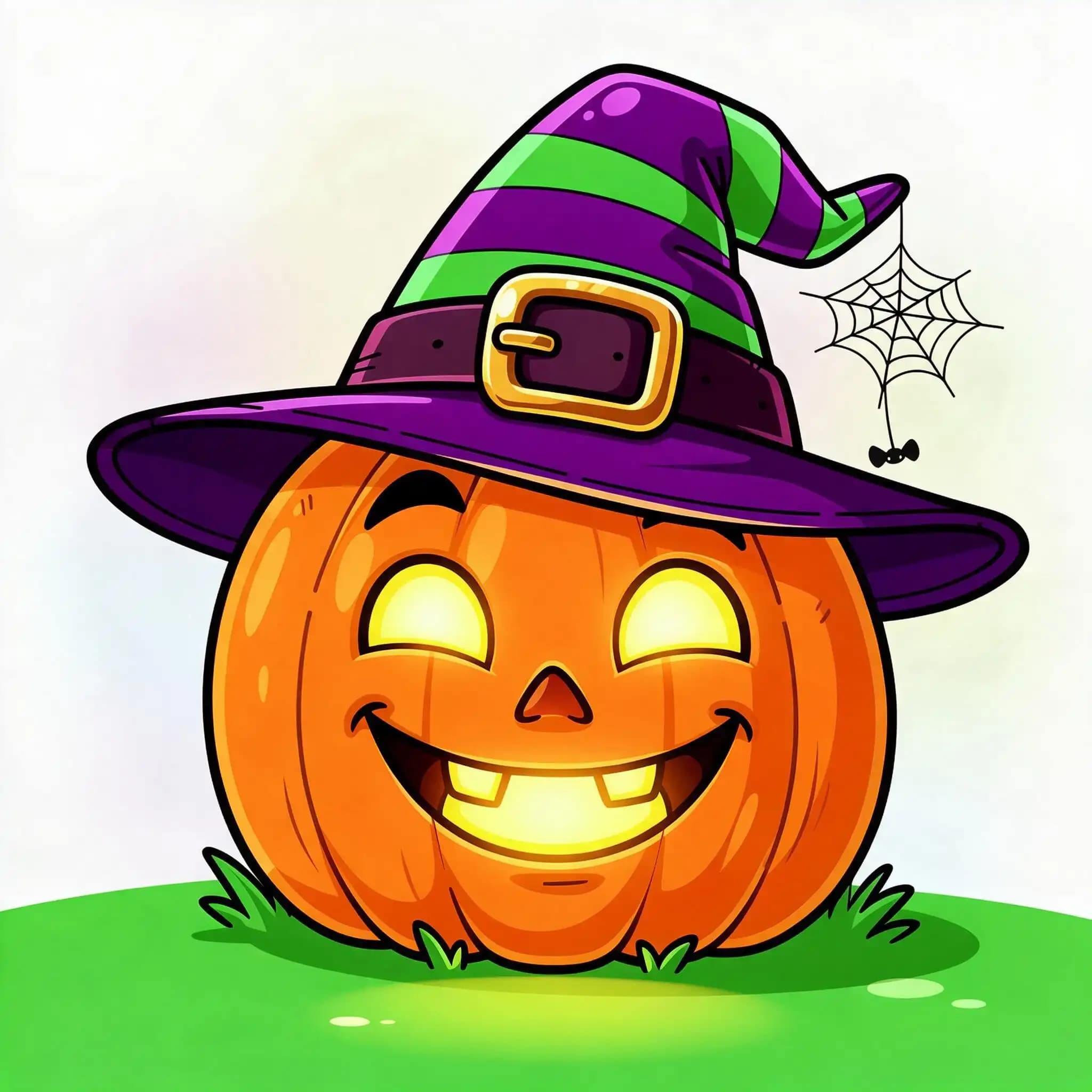
For the crispest lines and most vibrant colors, print on white cardstock paper using your printer's Fit to Page and High Quality settings. All pages fit both US Letter (8.5 x 11 in) and A4 paper. Classic Halloween orange looks wonderful for the pumpkin body, with green for the stem and black for carved facial features. For a more creative approach, encourage children to try unexpected colors – a blue pumpkin or a purple jack-o'-lantern can be just as satisfying to color.
Short Fun Facts – Pumpkins and Jack-o'-Lanterns 🎃
Jack-o'-lanterns were originally carved from turnips, not pumpkins – Irish immigrants switched to pumpkins after arriving in North America because they were larger and easier to carve.
The name jack-o'-lantern comes from an old Irish folk legend about a trickster called Stingy Jack, condemned to wander the earth carrying a glowing ember inside a carved turnip.
The earliest known use of the term jack-o'-lantern in print dates to the 1660s in East England, where it originally referred to mysterious flickering lights seen over peat bogs.
Pumpkins are botanically a fruit, not a vegetable – they belong to the same plant family as cucumbers, melons, and squash.
Americans spend an average of $600 million a year on pumpkins for carving at Halloween.
The first recorded reference to carved pumpkins being used as Halloween decorations in North America appeared in a Canadian newspaper in 1866.
Pumpkins are harvested in October across North America, which is one of the reasons they became so closely associated with both Halloween and Thanksgiving.
A carved pumpkin will typically begin to rot within 5 to 7 days, so most families carve their jack-o'-lanterns in the final week before Halloween.
Why Kids Love Pumpkin Coloring Pages
Pumpkins are one of the most instantly recognizable and cheerful shapes in all of Halloween imagery, making them an ideal coloring subject for children of any age. The bold round outline of a pumpkin is easy for young toddlers to color confidently, while the details of a carved jack-o'-lantern face offer a satisfying challenge for older children. Coloring pumpkin pages builds fine motor skills, encourages creative decision-making about color and expression, and connects children naturally to the sights and traditions of autumn. It is a simple, screen-free activity that works well from the first days of September right through to the end of October.