Did you know this about Printable brontosaurus dinosaur coloring pages?
Authority Insight
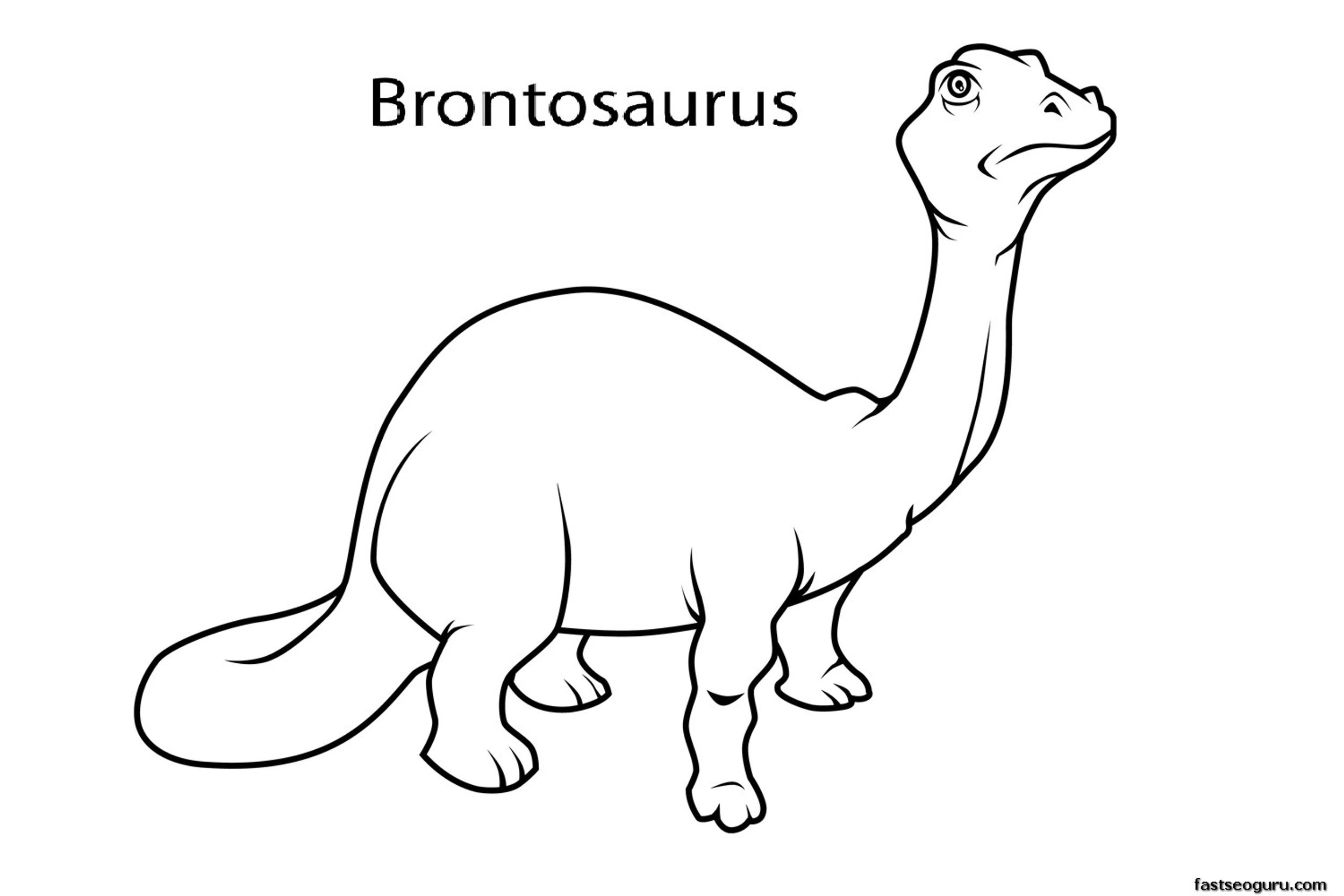
98765432101234567890The story of the brontosaurus dinosaur is as dramatic as the beast itself. In the late 19th century, the 'Bone Wars' were in full swing—a fierce and often petty competition between two famous paleontologists, Othniel Charles Marsh and Edward Drinker Cope. In his rush to outdo his rival, Marsh discovered the bones of a massive long-necked dinosaur and named it Brontosaurus excelsus. However, for over a century, the scientific community argued that the Brontosaurus was actually just a misidentified Apatosaurus.
It wasn't until 2015 that a massive, detailed study finally vindicated the Brontosaurus, proving it was a distinct genus after all. This 'resurrection' of the name gave the dinosaur a legendary status in pop culture. When kids color this dinosaur, they are engaging with a creature that survived not just extinction, but also a hundred years of identity crisis. It is a lesson in how science is always evolving, and how even the oldest mysteries can be solved with new evidence.
To truly appreciate a brontosaurus dinosaur, one must look at the sheer engineering marvel of its body. These sauropods were built like suspension bridges. Their long necks allowed them to sweep across vast areas of vegetation without moving their heavy bodies, conserving precious energy. Their tails were not just for balance; some scientists believe the tip of a Brontosaurus tail could move faster than the speed of sound, creating a literal 'thunder' crack to ward off predators like the Allosaurus.
As you look at your coloring page, notice the pillar-like legs. These weren't designed for speed, but for supporting upwards of 15 to 20 tons of weight. When coloring, children can focus on these powerful limbs, perhaps using darker shading to convey the weight and pressure these giants exerted on the Jurassic soil. Understanding the anatomy helps turn a simple coloring session into a lesson in biological physics.
in-article-dynamic-1While many classic depictions of the brontosaurus dinosaur feature shades of swampy green or slate gray, modern paleontology suggests dinosaurs might have been much more colorful. Why not experiment with patterns? Think about modern large animals like giraffes or elephants. A Brontosaurus could have had camouflaging spots to blend into the dappled light of a prehistoric forest, or even vibrant stripes along its neck for social signaling.
For a truly high-end artistic result, try the 'stippling' technique. Instead of solid blocks of color, use the tip of a marker or colored pencil to create thousands of tiny dots. This mimics the pebbled, scaly skin texture found in fossilized dinosaur skin impressions. You can also use a white gel pen to add highlights along the curve of the spine, giving the dinosaur a three-dimensional, muscular appearance that pops off the page.
Coloring is just the beginning. To extend the educational value of your brontosaurus dinosaur activities, consider turning the finished art into a 3D diorama. Once the coloring is complete, kids can carefully cut out their dinosaur and mount it on a piece of cardstock for stability.
Using a shoebox, you can recreate a Jurassic floodplain. Use real twigs for fallen logs, dried moss for Jurassic ferns, and blue cellophane for a watering hole. Position the Brontosaurus so it appears to be reaching for the 'treetops' (pinecones work great for this). This transition from 2D art to 3D modeling helps children develop spatial awareness and a deeper connection to the environmental context in which these animals lived.
in-article-dynamic-3Engaging with dinosaur-themed art provides significant developmental milestones for children. Beyond the obvious fine motor skill improvements, coloring complex figures like the Brontosaurus encourages 'sustained attention'—the ability to focus on a single task for an extended period. Because these dinosaurs are so large, the coloring areas vary from tiny details around the eyes to broad expanses on the flanks, requiring the artist to switch between precision and broader strokes.
Furthermore, dinosaurs act as a 'gateway science.' A child who starts by wondering what color a Brontosaurus was will soon be asking what it ate, where it slept, and why it disappeared. This curiosity-led learning is the foundation of the scientific method. By providing high-quality coloring resources, we are nurturing the next generation of biologists, geologists, and historians.
To ensure your coloring experience is as premium as the subject matter, the choice of paper is vital. If you are using watercolors or heavy markers, print your brontosaurus dinosaur pages on 200gsm cardstock. This prevents the ink from bleeding through and allows for the layering of colors to create depth.
If you are using standard printer paper, try using colored pencils with a soft lead. This allows for smoother blending, especially in the long transition from the base of the neck to the head. For an extra touch of realism, you can even use a bit of sandpaper to lightly scuff the paper's surface before coloring, creating a leathery texture that perfectly suits a prehistoric giant. Remember to always check your printer settings for 'High Quality' to ensure the outlines are crisp and easy to follow.
in-article-dynamic-5multiplex-bottom5555555555Common questions about this coloring page
For a long time, it was thought to be a mistake and was classified as an Apatosaurus. However, a major study in 2015 proved that the Brontosaurus has enough unique skeletal features to be considered its own distinct genus once again.
We have thousands of facts about Animal and many other topics. Start your learning journey today!