Did you know this about Printable dinosaur tyrannosaurus rex coloring in pages?
Authority Insight
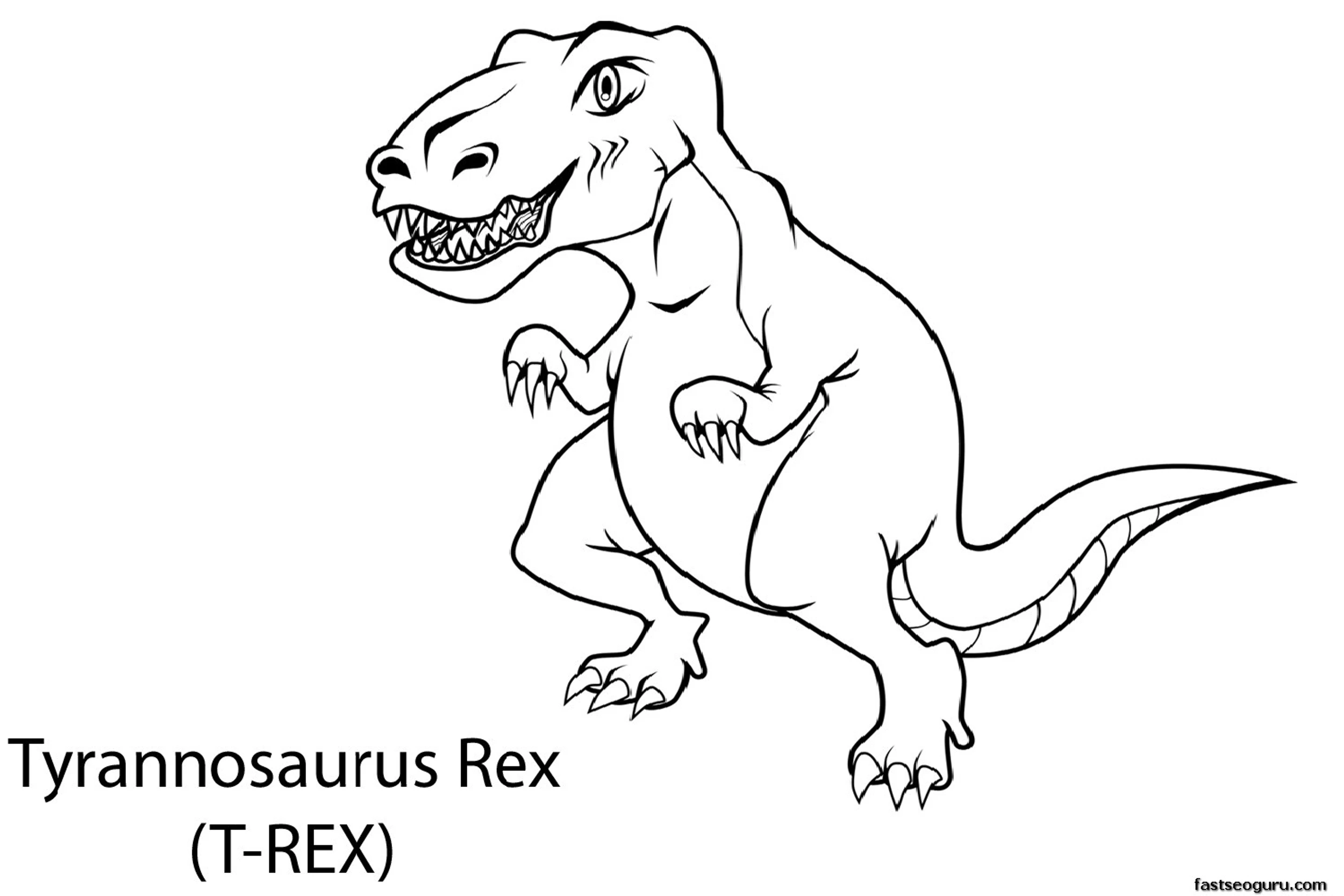
98765432101234567890Most people focus on the massive teeth, but the true power of the Tyrannosaurus Rex lay in its senses. Recent paleontological findings suggest that this dinosaur had some of the best vision in the animal kingdom—potentially even better than modern hawks. When you are coloring the area around the eyes, consider using sharp, high-contrast colors to emphasize this piercing gaze. Their sense of smell was equally legendary; their olfactory bulbs were massive, allowing them to track movement from miles away. This makes the T-Rex less of a mindless brute and more of a calculating, strategic hunter. When adding depth to your coloring page, try to highlight the muscular structure around the snout to honor this incredible biological tracking system.
To make your artwork stand out, move beyond a single flat shade of green. The skin of a Tyrannosaurus Rex was likely a complex tapestry of pebbled scales and potentially even sparse, hair-like feathers. To achieve a realistic look, use a technique called 'layering.' Start with a light base coat of tan or ochre. Slowly build up darker greens or earthy browns in the recessed areas between the muscle groups. If you want to be truly daring, look at modern reptiles like the Komodo dragon or the crocodile for color inspiration. Adding subtle hints of deep reds or oranges along the crest of the neck can suggest a display of dominance or camouflage suited for a dappled forest environment.
in-article-dynamic-1One of the most exciting aspects of modern paleontology is the discussion regarding what T-Rex actually looked like on the surface. While early depictions showed them as sleek and lizard-like, many scientists now believe that juvenile Tyrannosaurus Rex may have been covered in a soft down for warmth. Even adults might have retained patches of feathers along their spine or tail. This gives you incredible creative freedom. You can choose to go 'old school' with a leathery, reptilian hide, or you can experiment with fine, wispy strokes of a dark grey or black pencil to simulate primitive feathers. There is no 'wrong' way to color a dinosaur when the science is still evolving!
Coloring offers more than just aesthetic pleasure; it provides significant developmental benefits. For younger artists, navigating the intricate lines of a Tyrannosaurus Rex's serrated teeth or the powerful claws on its two-fingered hands helps refine fine motor skills and hand-eye coordination. This 'Paleo-Focus'—the deep concentration required to stay within complex lines—acts as a form of mindfulness. It allows the brain to disconnect from modern digital distractions and engage in a tactile, rewarding process that builds patience and attention to detail.
in-article-dynamic-3To get the most out of your printing experience, the quality of your paper is paramount. Because the Tyrannosaurus Rex features many heavy muscle lines and shadow areas, a standard 80gsm office paper might bleed if you use alcohol-based markers. For a professional finish, try printing on 120gsm cardstock. This heavier weight handles blending much better and prevents the paper from warping. If you are using colored pencils, a paper with a slight 'tooth' or texture will help grab the pigment, allowing you to create those deep, rich shadows that give the T-Rex its signature menacing look. Always check your printer settings and select 'High Quality' or 'Best' to ensure every serration on those 'banana-sized' teeth is crisp and clear.
As you add the final touches to your masterpiece, take a moment to realize that you are participating in a tradition of wonder that has lasted since the first T-Rex fossil was discovered in 1902. These coloring pages are more than just paper; they are a bridge between modern curiosity and ancient reality. Whether you choose to make your king a vibrant, colorful display of tropical hues or a dark, camouflaged shadow of the forest, you are keeping the legacy of the Tyrannosaurus Rex alive. Each stroke of the crayon or brush is a tribute to the enduring power of the natural world and the limitless reaches of our imagination.
in-article-dynamic-5multiplex-bottom5555555555Common questions about this coloring page
While they look small, their arms were actually very muscular and could lift hundreds of pounds. Some scientists believe they were used to grip prey during close-quarters hunting or to help the dinosaur push itself off the ground.
We have thousands of facts about Animal and many other topics. Start your learning journey today!