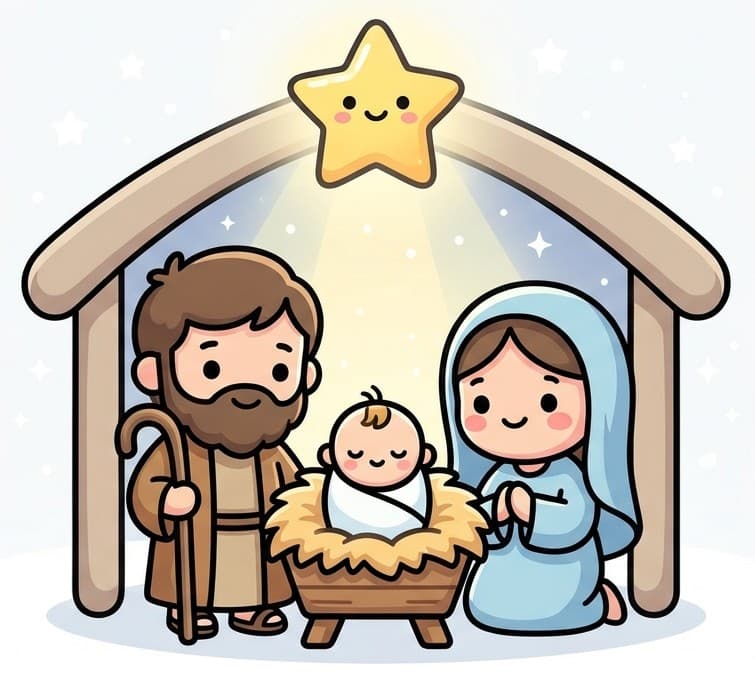
The Nativity Story – Christmas in Bethlehem
“Nativity” means birth, and the nativity story is the story of the birth of Jesus, which Christians celebrate at Christmas. The story is told in two of the four Gospels in the Bible: Matthew and Luke.
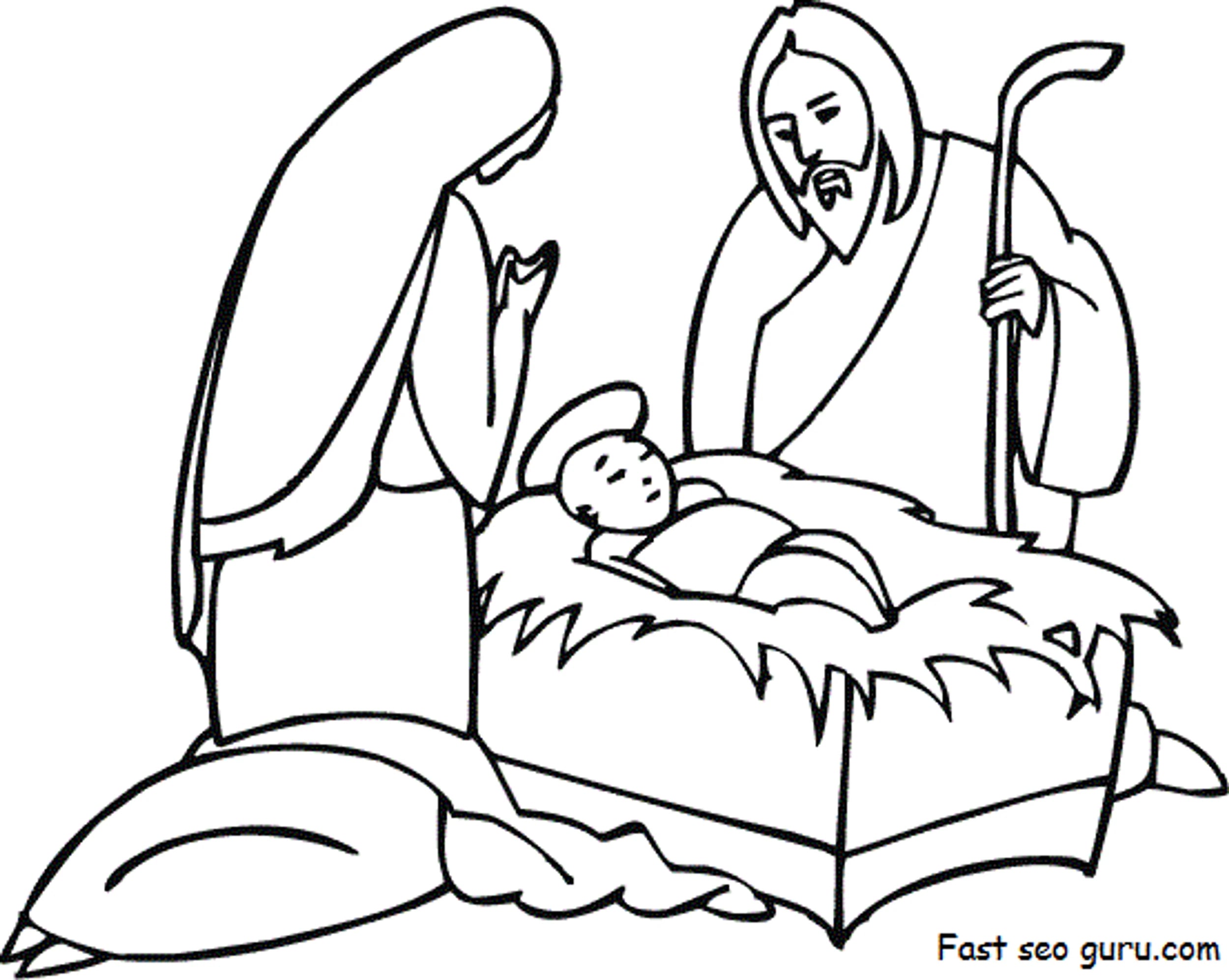
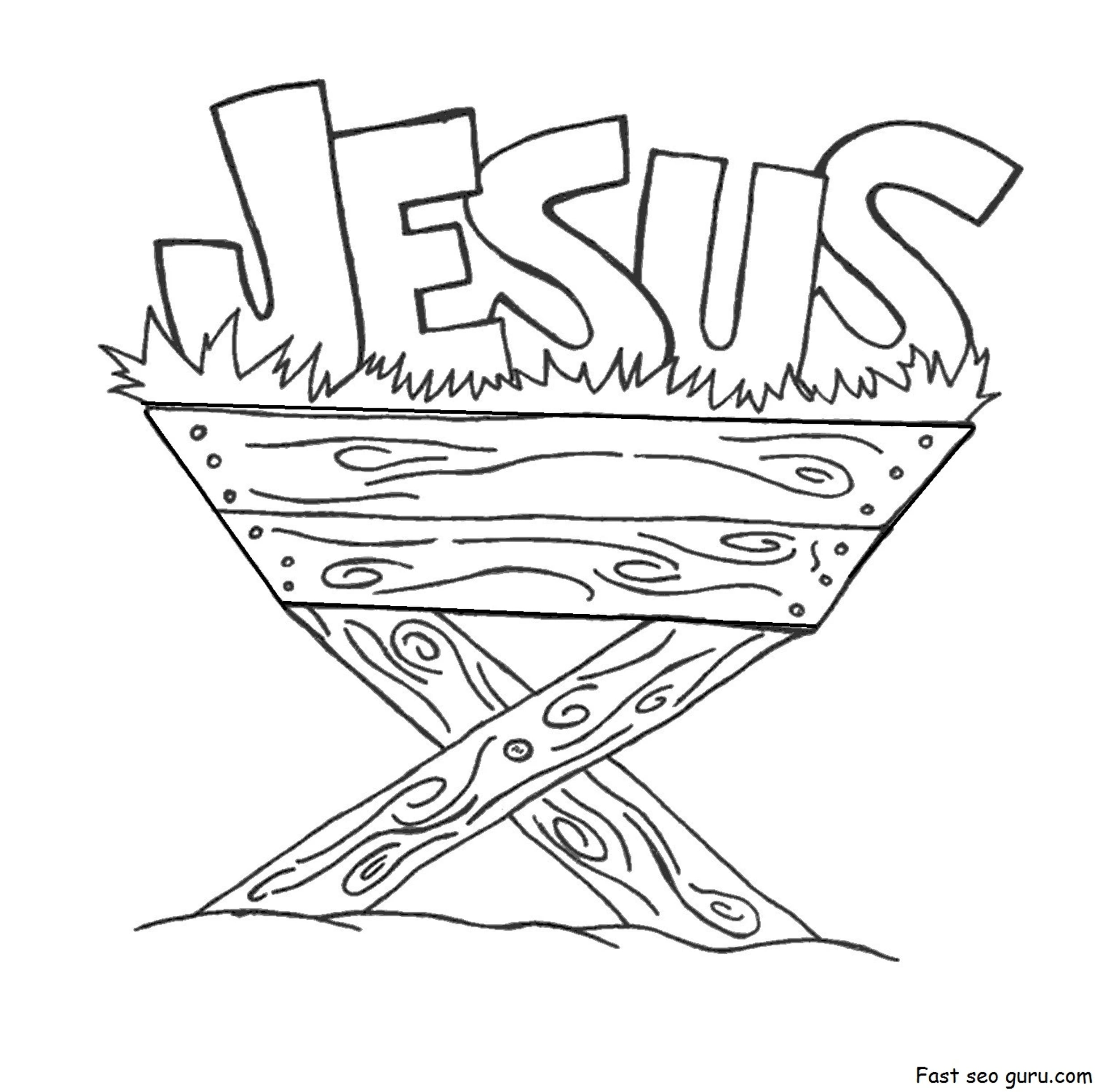
In Luke’s account, Mary and Joseph travel to Bethlehem for a census. There Jesus is born and laid in a manger, because there was no room in the inn. Angels bring the news to shepherds in nearby fields, and the shepherds go to find the baby.
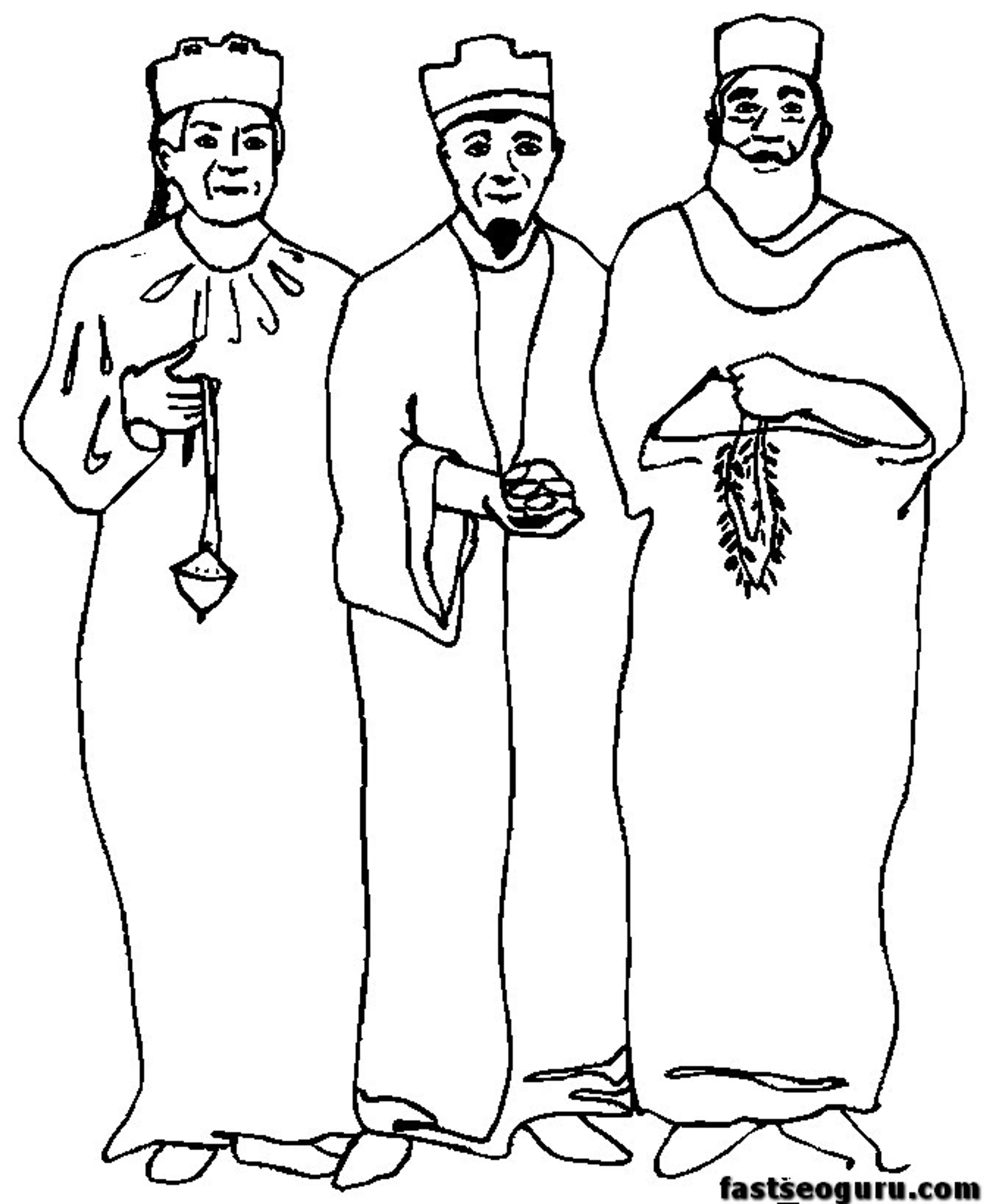
In Matthew’s account, wise men, also called the Magi, follow a star from the east. They bring gifts of gold, frankincense, and myrrh.
Our collection includes cute drawings to color for young children, such as a simple manger or star, as well as detailed scenes with all the characters in the story.
Who Is in a Nativity Scene?
A traditional nativity scene often includes:
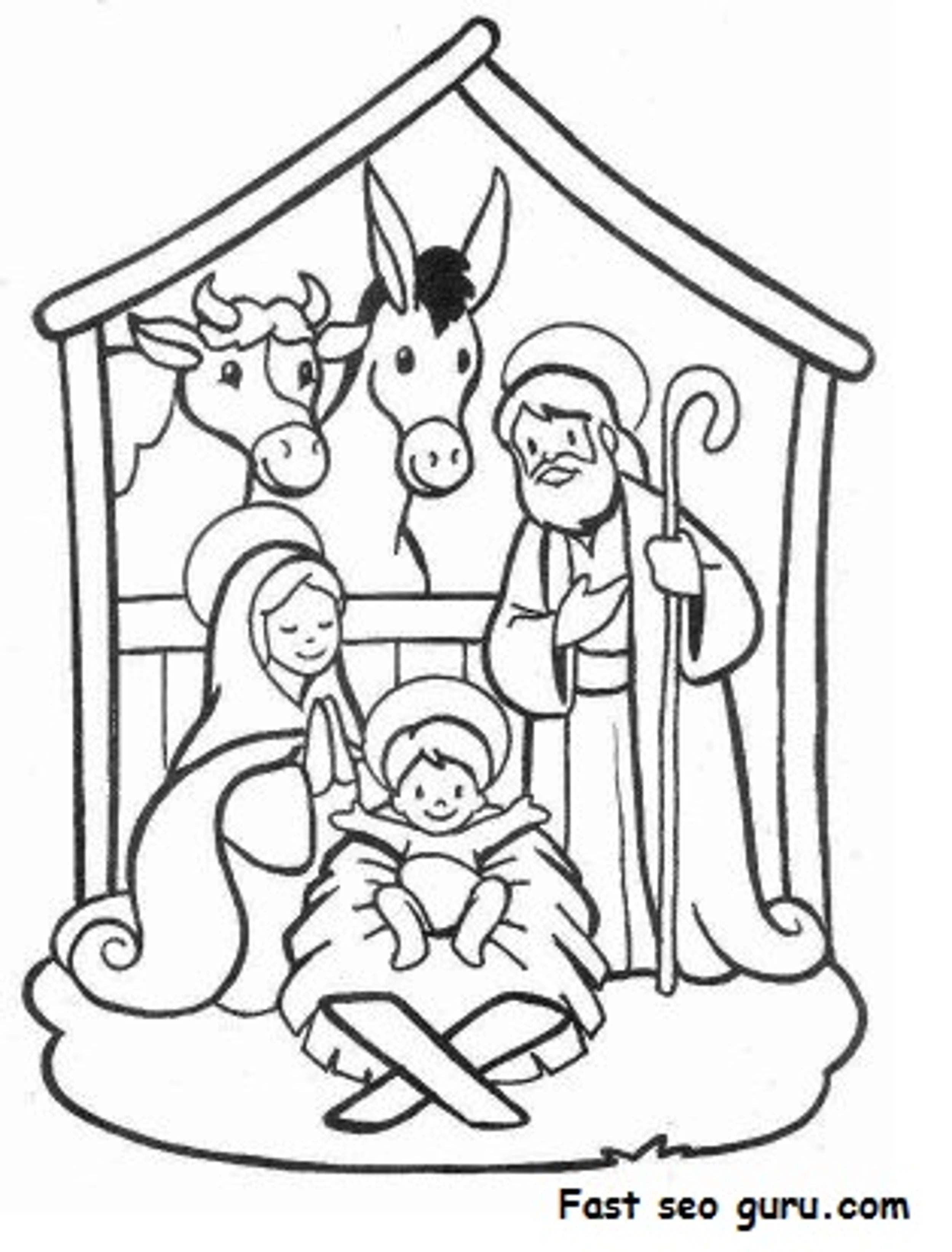
Mary and Joseph: the parents of Jesus Baby Jesus: usually lying in a manger, a feeding trough for animals Shepherds: who were told about the birth by angels Angels: who announced the news to the shepherds The star: which guided the wise men The wise men (Magi): who brought gifts Animals: often an ox, a donkey, and sheep
Some parts of the traditional scene are not in the Gospels. The Gospels do not mention animals, and they do not say how many wise men there were. Traditional scenes bring together parts of both accounts into one picture, which makes them easy for children to understand and color.
Children who enjoy coloring angels may also like Christmas Angel Coloring Pages.
Nativity at a Glance
Question: What is a nativity scene?
Answer: A display or picture that shows the birth of Jesus, also called a crèche or crib
Question: What does “nativity” mean?
Answer: Birth
Question: Where does the story take place?
Answer: Bethlehem
Question: Which Gospels tell the story?
Answer: Matthew and Luke
Question: Who visits baby Jesus in the story?
Answer: Shepherds (Luke) and wise men (Matthew)
Question: What gifts did the wise men bring?
Answer: Gold, frankincense, and myrrh
Question: Who made the first nativity scene?
Answer: St. Francis of Assisi, in 1223 in Greccio, Italy
Question: What are common nativity symbols?
Answer; Manger, star, angels, shepherds, and wise men
The History of the Nativity Scene
St. Francis and the First Nativity Scene
The first recorded nativity scene was created by St. Francis of Assisi in 1223. In the small Italian town of Greccio, he set up a manger with hay, an ox, and a donkey for Christmas Eve. He wanted people to feel the humble story of Christ’s birth in a real, simple way. The idea spread across Europe, and families and churches began to make their own nativity scenes.
Nativity Plays and Traditions
Children often act out the nativity story in nativity plays. These are a popular tradition in schools and Sunday schools, especially in Britain. Children dress as angels, shepherds, wise men, and Mary and Joseph. Many families also set up a small nativity scene at home each Advent.
Easy Nativity Pictures to Color for Preschool and Sunday School
Nativity scenes have simple shapes that are easy for young children to color. The manger, star, and baby make easy coloring pages for toddlers and preschoolers who are building grip and color skills. Older children can add details such as the robes, crowns, and the night sky.
Parents and teachers can use these coloring sheets to retell the story in simple steps. Ask children to find the star, count the shepherds, or name the colors of the wise men’s robes. These small activities turn a printable page into a gentle learning worksheet for counting, colors, and story sequencing.
Ideas for Home, Church, and Classroom
Retell the story: Print several scenes, color them, and put them in order from the journey to Bethlehem to the visit of the wise men.
Move the wise men: Each day in Advent, move the wise men closer to the manger in a nativity scene. Children can color the wise men and shepherds first.
Make a nativity play: Children can color paper crowns, wings, and robes, then act out the story.
Gifts of the wise men: Talk about gold, frankincense, and myrrh, and let children color the gifts. They can also explore .
Starry nights: Children can color a star on a dark paper background. They can also explore for star decorations.
Sunday school lessons: Pair a nativity page with a Bible reading from Luke 2 or Matthew 2. For extra practice, add or a .
Homemade cards: Print a nativity page on cardstock, color it, fold it in half, and write a message inside.
Printing Tips
Print on white cardstock for cards and decorations. Set your printer to Fit to Page and High Quality. All pages fit US Letter (8.5 x 11 in) and A4 paper. Use dark blue and purple for the night sky, yellow or gold for the star, and warm browns for the manger and animals. Kids can use any colors they like.
Short Fun Facts – The Nativity ⭐
The word “nativity” means birth.
The story of Jesus’ birth is told in two Gospels: Matthew and Luke.
In Luke, the baby is laid in a manger and shepherds visit after angels tell them the news.
In Matthew, wise men follow a star and bring gifts of gold, frankincense, and myrrh.
The Bible does not say how many wise men there were. Tradition says three because there were three gifts.
The Gospels do not mention animals. They were added to nativity scenes by tradition.
St. Francis of Assisi created the first recorded nativity scene in 1223 in Greccio, Italy, with a manger, hay, an ox, and a donkey.
In Matthew’s account, the wise men visit Jesus in a house, so many nativity scenes combine events that happened at different times.
Nativity plays are a popular tradition in many schools and Sunday schools.
Why Kids Love Coloring the Nativity
The nativity story is full of friendly characters and bright symbols, such as a shining star, shepherds, angels, and gifts. Children enjoy coloring the scene and imagining what it was like. The simple shapes are easy for beginners, and detailed scenes give older children more to explore. Coloring builds fine motor skills, color choices, and focus, and finished pages can become cards, Advent decorations, or props for a nativity play.